

 EN
EN

Extruder System of Film Blowing Machine: Melt Generation and Material Consistency
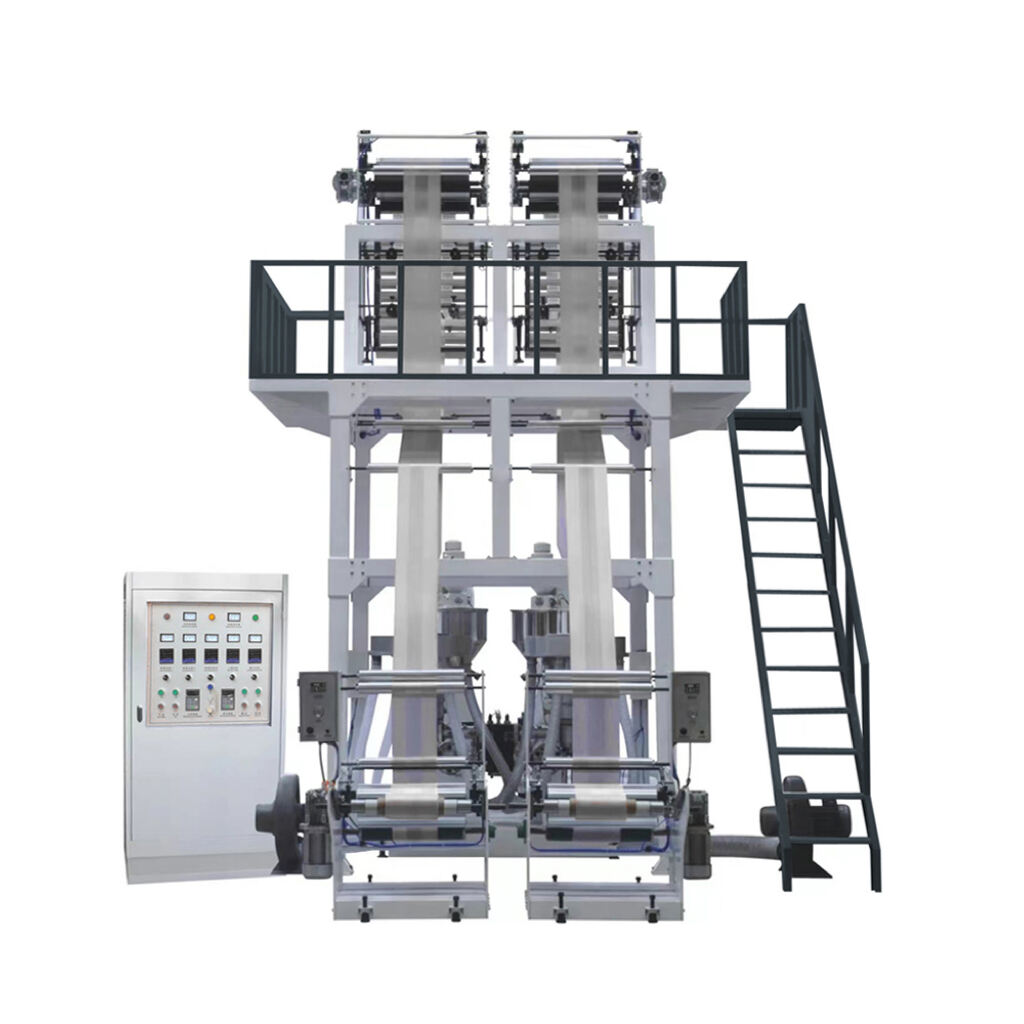
Feeding Hopper and Screw Dynamics for Stable Throughput
Material starts flowing into the extrusion system from the feeding hopper, where its shape has been carefully designed to stop bridging issues and keep polymer granules coming out at a steady rate. The screw inside works like the heart of the operation, controlling how much material gets processed each minute. Engineers tweak things like compression ratios and flight design so output stays pretty much the same across batches, usually within about 3% difference. When it comes to film blowing machines, newer models come equipped with barrier screws that have special mixing zones. These improvements actually make melting work better, giving manufacturers around 25 to 40 percent boost in efficiency over older equipment according to various studies in extrusion engineering journals. Keeping track of when screws start wearing down is also important because worn parts can cause problems with material quality. Maintaining pressure between 100 and 500 psi throughout the process helps ensure everything melts evenly before forming those delicate bubbles that become plastic films.
Thermal Profiling and Melt Homogeneity for Uniform Film Quality
Getting the right thermal profile across all those different barrel zones really makes a difference when it comes to how polymers transition during processing. Most modern extrusion equipment can keep temperatures pretty stable too, usually staying within about plus or minus 1.5 degrees Celsius. When manufacturers get this kind of control right, they see fewer issues with unmelted particles floating around in the material, which cuts down on defects by as much as seventy percent. Plus, nobody wants thermal degradation messing up their production run. Achieving good melt homogeneity takes several approaches working together: creating gradual changes in viscosity as materials move through transition areas, using high shear mixing at just the right temps, and managing how long stuff stays in each part of the system. Some setups also incorporate melt pumps that help smooth out viscosity differences even more, bringing pressure variations down to five psi or less at the die entrance. All these thermal controls matter because they directly affect things like optical clarity and thickness consistency in blown films. Top end systems often hit over ninety eight percent homogeneity, making them stand out in quality terms compared to standard equipment.
Die Head and Air Ring: Bubble Formation, Cooling, and Stabilization
Annular Die Design and Melt Distribution Uniformity
An annular die takes molten polymer and forms it into a continuous tube. How well this works depends heavily on the engineering details of both the mandrel and those die lips, which ultimately control how consistent the film thickness will be across production runs. The gap geometry has been fine tuned over years of development to spread the melt evenly throughout the system. This helps avoid those pesky weak spots or areas where the film gets too thin, something that definitely impacts the barrier properties we need from these materials. Getting the flow channels right is pretty important too since they help balance out pressure differences. Without proper balance here, things tend to fall apart when trying to inflate bubbles in today's advanced film blowing equipment.
Air Ring Functionality and Its Impact on Bubble Stability and Gauge Control
The right air ring setup cools down the bubble just enough to solidify it without messing with the diameter too much. When dealing with tricky materials like certain polymers, dual lip designs really shine because they get rid of heat faster and cut down those pesky crystallinity issues by somewhere around 40%. Getting the airflow just right matters a lot since uneven cooling is basically what causes problems with wall thickness across the product. Manufacturers who upgrade their air rings typically see about a quarter better consistency in measurements when running at full speed, which means fewer rejects overall. Some newer models even come with smart features that adjust airflow on the fly to stop bubbles from wobbling around, keeping everything dimensionally accurate throughout production runs.
Bubble Handling System: Containment, Collapse, and Dimensional Precision
Bubble Cage (Blow-Up Tower) Role in Controlled Cooling and Bubble Integrity
A bubble cage, sometimes called a blow up tower, basically creates a closed space where we can manage heat properly as bubbles expand. When we protect those molten polymer bubbles from outside air movement, they cool down slowly and evenly. This helps keep the structure intact and prevents uneven thickness throughout the material. Studies show these enclosed setups cut down on defects caused by turbulence about 30 percent better than when working in open areas. Plus, maintaining consistent bubble size becomes much easier which matters a lot for getting uniform thickness in the end product. Most modern towers come with adjustable heights so manufacturers can tweak cooling conditions based on what kind of resin they're using. This flexibility helps control how crystals form in the material, ultimately making the finished films more resistant to punctures.
Tube Collapsing Frame and Nip Rollers for Symmetric Folding and Edge Control
The downstream processing stage makes use of synchronized tube collapsing frames along with nip rollers to turn those stabilized bubbles into flat film without any distortion issues. The angled collapsing plates help guide the folding process so it stays symmetrical, which minimizes stress points on the material. At the same time, these precision ground nip rollers press down evenly along the edges of the film. Together they form what we call a dual action system that keeps dimensional tolerances within about half a percent either way. This level of accuracy basically eliminates those pesky edge wrinkles and gets rid of trapped air pockets that can ruin batches. When it comes to variable speed controls for the rollers, they're actually pretty smart about adapting to how different materials remember their shape. This prevents problems like telescoping when rolls get wound up tight, and tests show this setup cuts down on waste by around 22% during those fast running operations most plants run at these days.
Haul-Off and Winding Systems: Tension Management and Final Output Quality
Haul-Off Unit Design and Its Influence on Thickness Uniformity and Line Speed
Haul off units built with precision engineering keep tension under control when film leaves the collapsing stage. Rollers or belts work together to move materials at steady speeds, which has a direct impact on how uniform the gauge ends up being. When manufacturers push past those ideal speed limits, they often see thickness variations jump by around 15%. This happens because the polymer gets stressed unevenly across different parts of the web. Today's newer systems have these smart feedback mechanisms that tweak roller pressure and speed automatically. These adjustments stop those annoying neck-in defects and actually let factories run about 20% faster without compromising on size consistency. Most modern setups also handle changes in material elasticity automatically, so production stays smooth even when operators need to switch between different running speeds throughout the day.
Film Winder Types and Tension-Consistent Rewinding for Defect-Free Rolls
When it comes to making rolls without defects, there are basically two main approaches: center-driven and surface-driven winders. The center type works by applying controlled torque to the core, which makes them great for thicker films that need higher tension during winding. Surface winders take a different approach using friction contact instead, and they work particularly well with those really delicate thin materials. For either system, keeping tension consistent within about plus or minus 5% across the whole roll building process is critical. Otherwise we get problems like telescoping when pressure isn't even around the edges, starring issues from too much compression at the core, and all sorts of wrinkles whenever tension fluctuates. Many modern machines now come equipped with PLCs (programmable logic controllers) that adjust torque automatically as the roll grows larger. These smart systems help eliminate air pockets between layers and most manufacturers report getting close to perfect results, typically around 99% defect free in their regular production runs.
Control System and Smart Integration: Ensuring Process Reliability in Modern Film Blowing Machines
Integrated Control Architecture with IBC, ATC, and Real-Time Feedback Loops
Today's film blowing machines depend on control systems that bring together features like Internal Bubble Cooling (IBC), Automatic Thickness Control (ATC), and sensors that provide instant feedback about what's happening during production. The system keeps tabs on things such as how hot the melted plastic is, the size of the bubble forming, and how thick the film becomes. When something goes off track, it adjusts air flow settings, changes how fast the screw turns inside, and modifies the speed at which the finished product gets pulled away from the machine all within fractions of a second. These automated systems cut down on wasted materials by around 20 percent while keeping the thickness of each roll pretty much the same throughout. With real time data analysis running in the background, maintenance crews get warnings about parts that might fail soon, so they can fix problems before equipment breaks down completely. When everything works together seamlessly from the motor driving the extruder to the tension applied when winding up the final product, these intelligent controls turn film blowing from something that needs constant manual adjustment into a process that basically tunes itself as it runs, producing high quality output even when working with different types of materials or varying speeds.
FAQs about Film Blowing Machines and Extruder Systems
What is the role of the feeding hopper in an extrusion system?
The feeding hopper is crucial in an extrusion system as it ensures a steady flow of polymer granules into the system, preventing bridging issues and allowing for consistent material processing.
How does thermal profiling impact film quality in the extrusion process?
Thermal profiling affects how polymers transition during processing. Accurate thermal control reduces the presence of unmelted particles and defects, resulting in better optical clarity and thickness consistency in films.
Why are air rings important in bubble stabilization?
Air rings cool the film bubble uniformly, preventing diameter distortions and ensuring consistent wall thickness. They help in reducing reject rates and improve gauge control during production.
How does a bubble cage contribute to film quality?
A bubble cage provides controlled cooling for polymer bubbles, maintaining bubble size and structure integrity which leads to uniform thickness in the final product and reduced defect rates.
What are the advantages of using modern winding systems in film production?
Modern winding systems with tension control and automatic adjustments reduce defects like telescoping, ensure even pressure across rolls, and increase production efficiency and quality.
Table of Contents
- Extruder System of Film Blowing Machine: Melt Generation and Material Consistency
- Die Head and Air Ring: Bubble Formation, Cooling, and Stabilization
- Bubble Handling System: Containment, Collapse, and Dimensional Precision
- Haul-Off and Winding Systems: Tension Management and Final Output Quality
- Control System and Smart Integration: Ensuring Process Reliability in Modern Film Blowing Machines
-
FAQs about Film Blowing Machines and Extruder Systems
- What is the role of the feeding hopper in an extrusion system?
- How does thermal profiling impact film quality in the extrusion process?
- Why are air rings important in bubble stabilization?
- How does a bubble cage contribute to film quality?
- What are the advantages of using modern winding systems in film production?