

 EN
EN

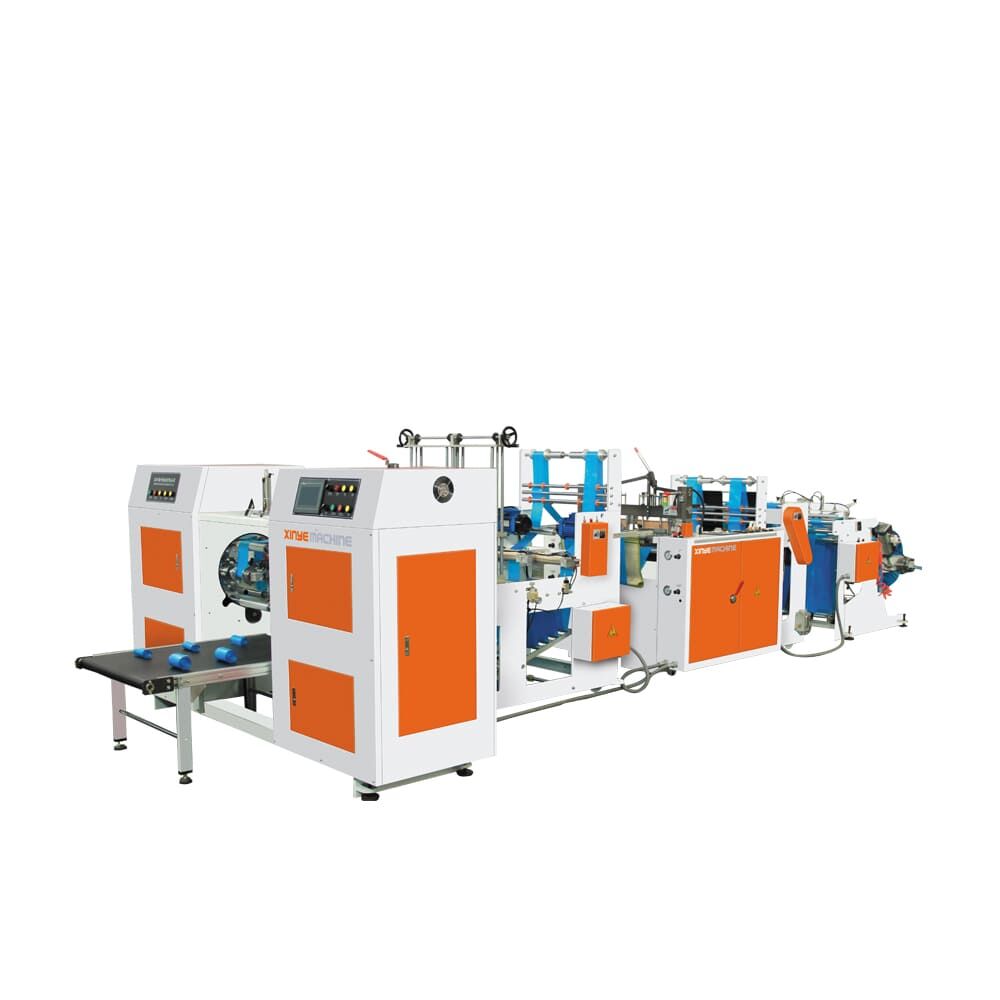
Core Automation Technologies Driving Machine Efficiency
Servo Motor Integration for Precision Speed Control and Energy Optimization
Today's plastic bag manufacturing equipment relies on servo motor technology to get better control over speed and save energy. These motors can adjust how much power they deliver and spin at different rates, which helps keep everything tight during the whole production process from when the plastic is melted to when it gets cut and sealed together. Getting those measurements right matters a lot because bags need to be consistent in size and have good seals. Some recent research in the field shows that switching to servos can cut down on electricity usage by around 40 percent without sacrificing quality. Bags tend to come out with pretty accurate seals too, within about a tenth of a millimeter difference. Another big plus is that manufacturers no longer need all those bulky gears and clutches inside the machines. Without them, the equipment can speed up and slow down almost instantly, which makes sense when dealing with complicated shapes or changing between different bag sizes quickly throughout the day.
PLC + Touchscreen HMI Systems Enabling Real-Time Parameter Adjustment and Data Transparency
In automated bag manufacturing plants, Programmable Logic Controllers work hand in hand with user friendly touch screen interfaces to control operations. Plant staff can tweak important settings like heating curves, seal pressures, and line speeds on the fly during production runs. Each adjustment gets recorded with timestamps so quality teams have a paper trail for audits later on. The operation efficiency dashboards are pretty useful too. They show where machines keep breaking down repeatedly through color coded maps, and track how well different shifts perform using real time metrics. Most operators find these systems straightforward enough to use without needing someone from the IT department standing over their shoulder explaining things.
Auto-Feeding, Coreless Unwind, and Auto-Splicing: Eliminating Manual Intervention Points
Three synchronized material-handling innovations collectively remove critical manual touchpoints:
- Auto-feeding systems meter raw polymer into extruders using loss-in-weight sensors for consistent melt flow
- Coreless unwinding eliminates reel-core waste and manual core disposal, reducing material handling labor by ~70%
- Auto-splicing triggers predictive splice activation during planned slowdowns–no operator intervention required
Together, these technologies prevent approximately 92% of material-induced stoppages, per packaging efficiency benchmarks. Integrated Automated Tuning Systems (ATS) continuously monitor and correct web alignment at speeds up to 300 bags/minute, ensuring dimensional consistency without manual calibration.
Quantifiable Efficiency Gains: Throughput, Uptime, and OEE Improvement
Cycle Time Reduction: Scaling Output from 60–80 to 220–300 Bags/Minute
When it comes to cutting down on cycle times, automation does wonders by swapping out those old mechanical linkages for coordinated servo motion systems along with smart thermal controls. With continuous feeding mechanisms, instant tension adjustments, and just right seal dwell settings, machines can now run smoothly between 220 to 300 bags per minute. That's way faster than the old standard of around 60 to 80 bags back in the day. What makes this improvement really stand out is that manufacturers don't have to compromise on seal quality or proper film alignment. Products stay intact and consistent even when switching formats quickly, which matters a lot in high volume production environments.
Uptime Boost: 42% Less Idle Time via Synchronized Web Handling and Predictive Splice Activation
When it comes to unplanned downtime, smart systems make a big difference. Coreless unwinds equipped with auto-splicing can spot when a roll is running low, usually around 15 to 20 rolls ahead of time. This allows the machine to start the splice process during those natural slowdown moments instead of stopping everything suddenly. The system also relies on vibration detectors and temperature sensors that constantly monitor equipment health. These sensors send live data to the PLC control system, which acts as an early warning system for problems like worn bearings before they actually fail. The results speak for themselves too. Plants report cutting idle time down by about 42 percent overall. Operational efficiency jumps from what used to be normal manual operation ranges of 50 to 65 percent up to consistently hitting 75 to 85 percent. That's according to the latest study on automation efficiency released last year by PMMI, the packaging machinery manufacturers institute.
Consistency, Quality, and Defect Prevention Through Intelligent Automation
AI-Powered Vision Inspection and Smart Sensors for Real-Time Defect Detection
AI powered vision systems with high res cameras and multispectral sensors can scan moving film at speeds exceeding 300 frames per second. These systems spot tiny issues like micro tears, gaps in seals, printing that's off register, and contaminants down to about 0.1mm accuracy. The system works smartly too. When it finds problems, it automatically makes adjustments to things like sealing pressure, tension in the material web, or when cutters operate, stopping defects from spreading further along the line. This means factories don't need people checking products after they're made, which cuts waste significantly. According to recent data from the Flexible Packaging Association's 2024 industry report, some plants have seen their scrap rates drop by around 30% since implementing these systems.
Predictive Maintenance Algorithms Reducing Downtime and Extending Component Lifespan
Predictive algorithms built into monitoring systems look at live data from vibrations, heat patterns, and motor currents to spot when parts might start failing. These machine learning systems can actually catch problems with bearings or seal bars well over three days before they break down, which means maintenance teams can fix them during regular scheduled downtime instead of emergency situations. Plants that implement this kind of proactive maintenance see about half their unexpected shutdowns disappear completely. Components last almost a quarter longer too because technicians adjust lubrication schedules and balance workloads better based on what the system tells them. The bottom line? Overall equipment effectiveness goes up significantly while the long term costs for running machinery come down across the board.
Workforce Transformation: From Labor-Intensive Oversight to Technical Supervision
When companies implement automation, it doesn't just replace workers - it actually transforms what they do day to day. Operators who used to spend hours doing things like cutting materials, feeding machines, and checking products visually now focus on monitoring complex systems through PLCs and HMIs. The number of people needed drops around 40% overall, but those still working need to understand data better, troubleshoot problems faster, and make adjustments on the fly. Training programs that follow industry standards like ISA/ANSI have become really important lately. Factories that invest in good training see productivity jump anywhere from 25% to 30%, plus workers stick around longer because their jobs become more interesting and technically challenging. Another big plus is automated material handling systems which cut down on back strain and other injuries, making the workplace safer long term. Many operators find themselves moving into technician or even engineering roles at bag manufacturing plants as automation becomes standard practice.
FAQ
What technologies are improving the efficiency of plastic bag manufacturing?
Servo motors, PLC and HMI systems, auto-feeding, coreless unwinding, and auto-splicing are enhancing efficiency by providing precision control, real-time adjustments, and eliminating manual interventions.
How do servo motors contribute to energy savings?
Servo motors enable precise control of speed and energy delivery, reducing energy consumption by approximately 40% while maintaining product quality.
What role does AI play in defect prevention?
AI-powered vision systems detect defects in real-time and make necessary adjustments to prevent the spread of issues, significantly reducing waste and scrap rates.
How does automation affect the workforce in manufacturing plants?
Automation shifts the workforce focus from manual oversight to technical supervision, requiring operators to acquire skills in data analysis and system troubleshooting.