

 EN
EN

Structural Integrity and Dynamic Stability of the Film Blowing Tower
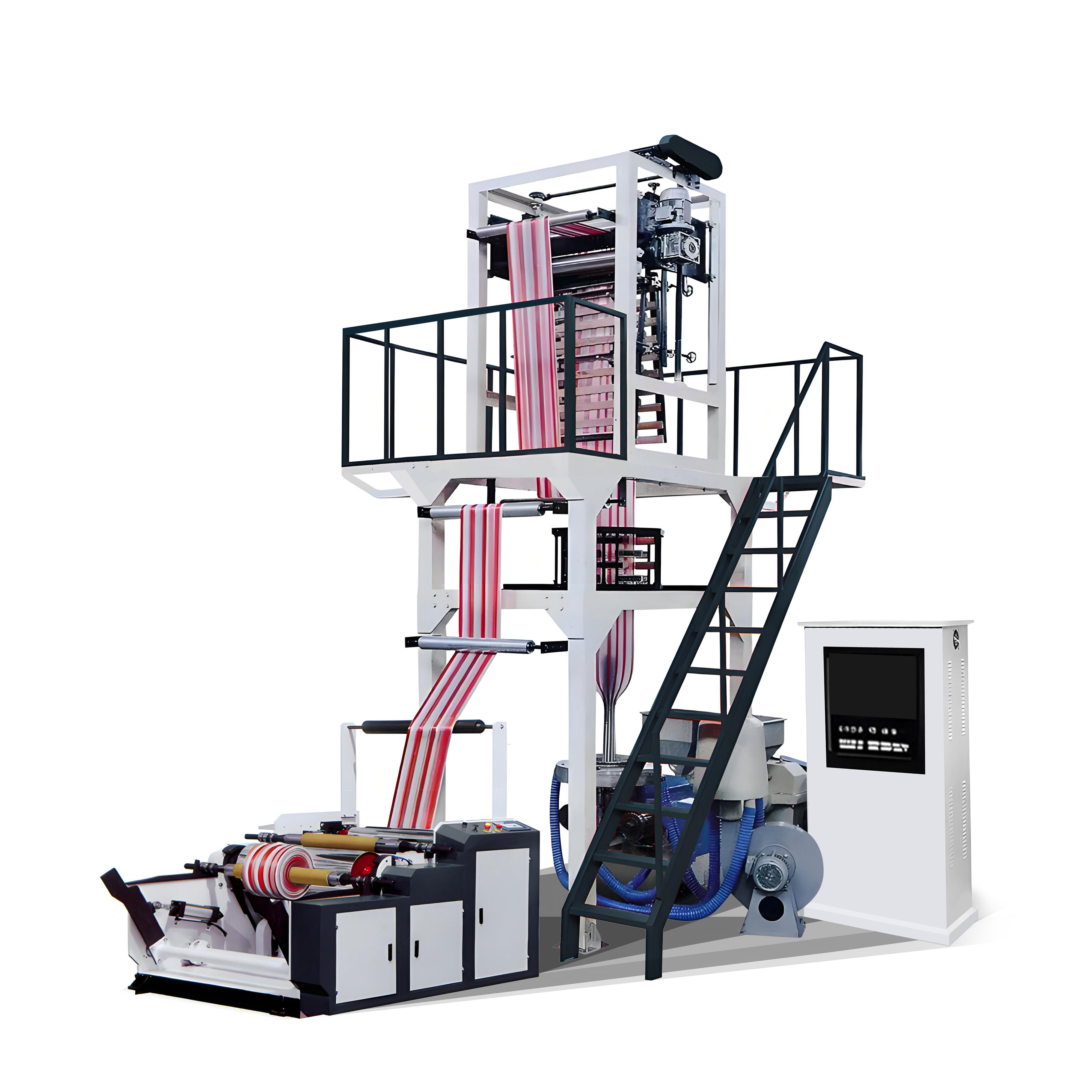
Managing Dynamic Loads and Vibration at High Line Speeds
When running at over 100 meters per minute, film blowing towers encounter all sorts of dynamic problems that can really slow things down. The biggest issue comes from those annoying vibrations that mess with bubble stability, create uneven thickness across the film, and lead to constant breaking. Industry reports actually show these vibration issues account for about 40% of all downtime during high speed operations. Smart engineers tackle this problem using several approaches. They install special mass dampers to soak up unwanted vibrations, set up control systems that tweak air ring pressure as needed, and reinforce certain parts of the tower where stress tends to concentrate. All these combined efforts help maintain consistent freeze line height which is basically what keeps everything balanced between heat and mechanics. And ultimately, this means smoother operations at higher volumes while still keeping those important optical and mechanical qualities intact in the final product.
Material Selection for Rigidity, Thermal Stability, and Damping
Leading manufacturers specify materials with low thermal expansion coefficients (≤12 µm/m°C) and intrinsic damping capacity. This combination minimizes warping during thermal cycling and lowers resonant frequencies by 15–20%, extending service life and preserving dimensional accuracy—even under sustained high-velocity operation.
Die-to-Tower Geometry and Polymer Flow Optimization
Critical Die-to-Tower Distance for Bubble Stability and Uniform Quenching
How far apart the die and tower are positioned plays a critical role in keeping bubbles stable during production and ensuring even quenching across the material. When there's more than a 15% difference in how fast the molten material flows around the circumference, we usually see thickness variations jump by about 30%. Most manufacturers aim for a gap between 4 and 8 times the size of the bubble itself. This helps create balanced cooling through the air ring, which stops those pesky crystallinity issues that can weaken the final product and affect its transparency. If the distance is too small, cooling becomes uneven by roughly 40%. On the flip side, when they're spaced too far apart, bubbles tend to wobble at speeds over 400 meters per minute. Getting this measurement right matters a lot for maintaining good barrier properties, especially important for companies running high volume packaging lines where consistency makes all the difference.
Shear-Thinning Behavior and Residence Time Control in High-Speed Melt Flow
When working with shear thinning polymers, getting the right balance between die shape and tower setup becomes really important for controlling how long material stays in the system and managing shear forces. If we're talking about extrusion rates over 120 kg per hour, keeping the material inside the die under 25 seconds helps prevent any unwanted thermal breakdown. Most engineers rely on computational fluid dynamics models these days to figure out runner designs that maintain shear rates somewhere between 500 to 1500 per second. That range seems to work best for reducing viscosity without causing those annoying melt fractures everyone wants to avoid. Interestingly enough, shrinking the die gap by just half a millimeter can boost flow uniformity around 18 percent, although this comes at a cost since backpressure goes up about 22 percent. So there's definitely a tradeoff here that needs careful consideration when optimizing overall system performance. Recent studies published in reputable journals have shown that helical flow channels cut down pressure loss by roughly 15% compared to traditional straight channel designs. This improvement allows manufacturers to run their lines faster while maintaining better control over product thickness variations.
Tower Height and Integrated Cooling System Design for High-Speed Film Blowing Equipment
Balancing Tower Height, Cooling Efficiency, and Production Line Speed
The height of a tower plays a big role in how long things cool down and what kind of film gets formed as a result. When towers are taller, they give materials more time to cool which helps reduce those pesky internal stresses and makes everything look clearer optically. But there's a catch too—tall towers take up more space and cost a lot more money upfront. On the flip side, shorter towers let production move faster along the line but might not cool things properly enough. This can lead to problems like cloudy spots, blockages, or inconsistent thickness across products. That's where integrated cooling systems come into play. These systems mix internal bubble cooling with specially designed air rings to get rid of heat about 30 to 40 percent quicker than standard methods. The payoff? Plants can process around 20% more material without sacrificing quality or stability during operation.
High-Speed Die Geometry: Precision Tuning for Film Blowing Equipment Performance
The shape and design of dies play a critical role in how well high speed film blowing operations perform. Getting the annular gap right, adjusting the mandrel angle properly, and shaping the lip profile all work together to guide the polymer flow so we get even melt delivery and avoid problems like melt fracture. When it comes to thermal management, these systems need to be designed alongside the actual die itself if we want consistent viscosity throughout those long extrusion runs. Most companies now rely on CAD simulations to check out flow paths and where stresses might build up before they ever start cutting metal. Even tiny surface flaws or small dimensional differences at the micron scale can create thickness variations that mess up the barrier properties of the final product. That's why many manufacturers turn to electrochemical machining and similar advanced methods. These techniques consistently hit sub millimeter tolerances, which allows for thinner films, quicker production speeds, and less wasted material overall—something that makes a real difference when meeting today’s sustainability goals for packaging.
FAQ
What are the common dynamic issues faced by film blowing towers at high line speeds?
Film blowing towers often face vibrations that affect bubble stability, thickness uniformity, and cause frequent breaking at high line speeds. These issues result in about 40% of all operational downtime.
How do material choices impact the performance of film blowing towers?
Materials must manage coupled thermal-mechanical stress, while also suppressing vibration. High-strength steel alloys, nickel-chromium composites, and polymer-concrete hybrid bases offer solutions for rigidity, thermal stability, and damping.
Why is die-to-tower distance crucial in film blowing?
The distance ensures bubble stability and uniform material quenching. Ideal spacing helps prevent thickness variations and supports balance in the cooling process.
How does tower height affect film cooling and quality?
Towers that are too tall increase space and costs, while shorter towers might not evenly cool materials, leading to defects. Integrated cooling systems can help optimize this balance.