

 EN
EN

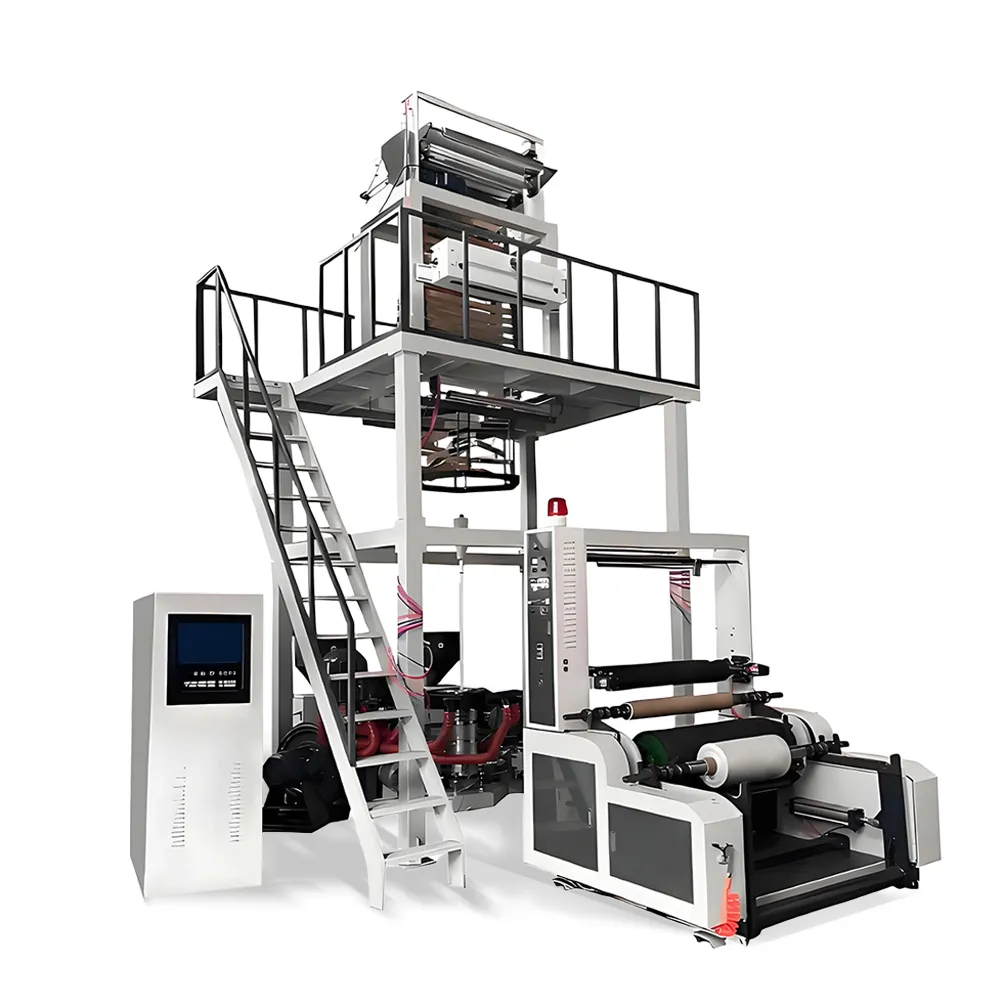
Core Cooling Architectures in Film Blowing Lines
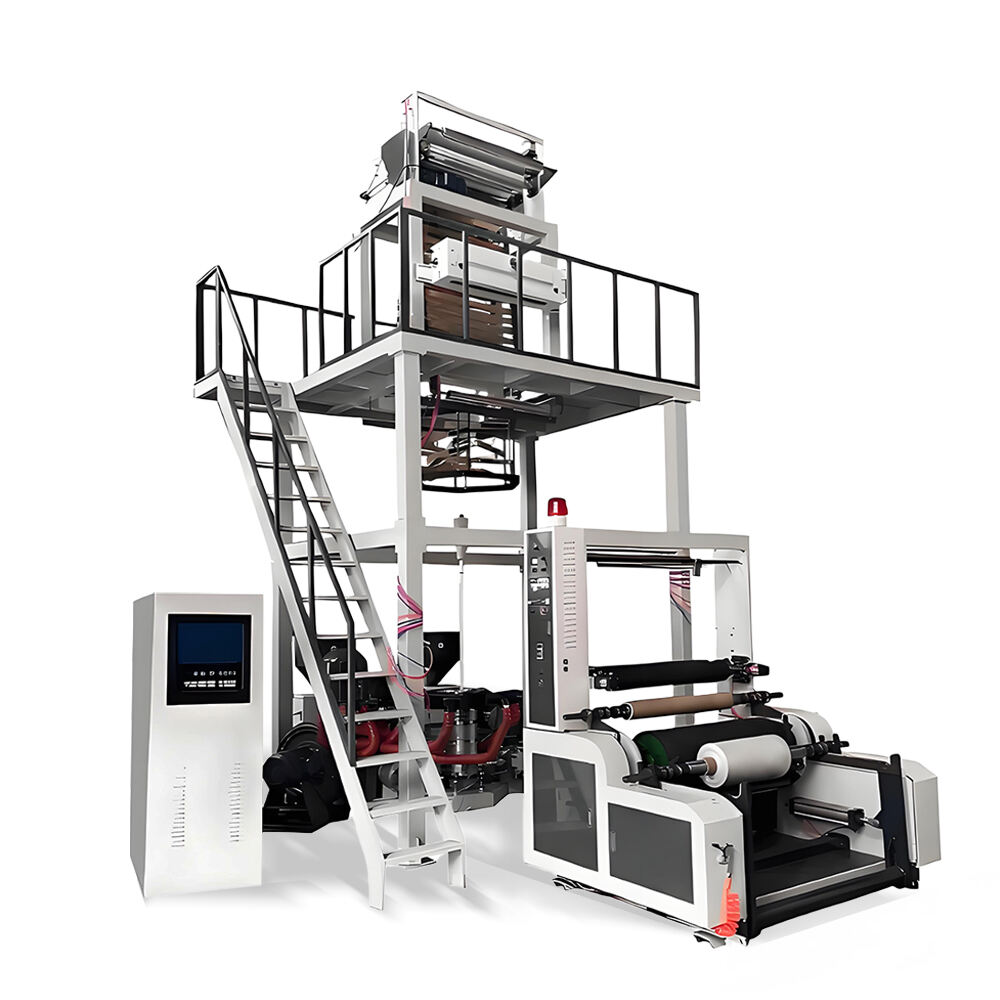
Internal Bubble Cooling (IBC): Airflow Dynamics and Dew Point Control
The Internal Bubble Cooling system works by pumping pressurized air into the center of the bubble to keep the inside film cool while keeping everything inflated properly. Getting the airflow just right stops those pesky thickness problems caused by turbulence. And controlling when condensation happens matters a lot too. If it gets too cold down there, below about 40 degrees Fahrenheit or so, we start seeing all sorts of ugly defects on polyolefin films. When set up correctly, these IBC systems can actually cool things down around 30% quicker compared to regular outside cooling methods because they hit that super hot inner part of the bubble directly. But watch out for imbalanced airflow though. That's a recipe for trouble. Which is why most setups need those fancy pressure sensors working nonstop along with automatic dampers to make sure air flows evenly no matter how fast production runs.
External Bubble Cooling (EBC): Air Ring Design and Heat Transfer in the Forming Zone
External Bubble Cooling, or EBC for short, works by directing cold air through those concentric rings around the outside of the bubble. Most systems today use what's called dual-lip designs because they create layered airflow patterns. This helps move heat away faster without creating too much resistance against the moving film. The first lip touches the bubble right after it leaves the die, starting the cooling process. Then comes the second lip which acts like a fine tuning knob for where exactly the frost line forms something really important when managing crystal structures in plastics. Studies using computer models show that angles between 15 and 20 degrees for those nozzles give the best results for smooth airflow patterns. This cuts down on temperature differences around the circumference to less than 5 degrees Fahrenheit, sometimes even lower. And this kind of consistent cooling means manufacturers see variations in film thickness stay below 3 percent when running low density polyethylene at high speeds.
Dual-Cooling Systems: Synergy, Stability Gains, and Operational Trade-offs
When IBC meets EBC, something interesting happens with the cooling process. Inside, air moves through the material pulling heat away from where it matters most. At the same time, jets on the outside help harden the surface layer. The combination works pretty well actually, cutting down those annoying bubbles by around two thirds. Production can hit speeds over 120 feet per minute (about 36 meters) for those fancy multilayer films. But there are some downsides too. If the dew points don't match up right between the two systems, moisture gets trapped inside. And energy bills go up anywhere from 18 to 22 percent compared to using just one cooling method alone. Factory operators have noticed though that when they run this dual system on their high gloss polypropylene products, they see about 15% fewer wrinkles forming and their output stays consistent about 12% longer. For companies making premium grade materials where quality matters most, these improvements often make the extra costs worth it.
How Cooling Configuration Affects Critical Film Properties
Cooling Rate Influence on Clarity, Haze, Pinhole Formation, and Melt Strength
The speed at which something cools has a major impact on both how clear it looks and how strong its structure is. When things cool down fast, crystal formation gets limited, which means less cloudiness overall. Tests show this can bring haze levels below 5% according to ASTM standards, making materials much clearer. On the flip side, when cooling happens slowly, around half a degree per second or less, molecules get tangled together more effectively. This actually makes the material stronger when melted, improving bubble stability by anywhere from 15 to 30 percent. But watch out for temperature differences across the production line. If there's more than an 8 degree difference between spots, tiny holes start appearing in the final product. Getting the air flow just right and keeping temperatures even throughout helps avoid these issues while still achieving good balance between being transparent enough and tough enough for most applications.
Frost Line Position Control via Precision Chilled Air Delivery
Where the molten polymer starts to solidify, known as the frost line height, plays a big role in determining both orientation and thickness consistency across the material. When we reduce air volume below around 15 cubic meters per minute, this actually raises the frost line position, resulting in thicker films that experience less internal stress during production. On the flip side, blowing high velocity chilled air at temperatures between 4 and 7 degrees Celsius brings down the frost line, creating thinner materials with better biaxial orientation properties. Keeping the frost line within about 2 centimeters of its target position demands constant adjustments to airflow throughout the process. Even small deviations beyond 5 percent can lead to noticeable thickness differences of up to 12 percent in finished products. Today's industrial blow molding systems tackle these challenges using multiple temperature sensing zones combined with automated damper control mechanisms that respond instantly to changing conditions on the production floor.
Selecting the Right Cooling System for Your Film Blowing Lines
Getting the most out of film blowing lines really depends on picking the right cooling system. Factors like how much material needs to be processed, the thickness of the film being made, and what kind of polymer is used all play a role in figuring out which setup works best. When running at speeds above 150 kg per hour, combining IBC and EBC cooling systems instead of just using air can actually increase production by around 40%. Standard monolayer films tend to work well with upgraded EBC air rings that have those adjustable lips. These allow better control over where the air flows during processing. There are several important things manufacturers should keep in mind when making these decisions.
- Energy consumption: Dual systems use ~15% more power but offset this with faster line speeds
- Product versatility: IBC enables superior control for temperature-sensitive barrier films
- Maintenance complexity: Sealed water circuits in IBC require rigorous contamination protocols
Matching cooling systems to how different materials behave is something operators need to pay attention to. Polyethylene generally needs a slower cool down compared to polypropylene if we want to avoid making it too brittle. Getting this right helps keep parts dimensionally stable, cuts down on those annoying gels and streaks, and keeps tensile strength pretty close to what we're aiming for, usually within about 5% either way. Sustainability minded shops will appreciate that newer EBC units come equipped with variable frequency fans which can slash yearly energy consumption anywhere from 18 to 22 percent. That kind of efficiency makes a real difference over time.
Best Practices for Maintaining Cooling Efficiency in High-Speed Film Blowing Lines
Preventive Maintenance of IBC/EBC Components and Air Quality Management
Sustaining peak cooling efficiency demands rigorous preventive protocols. Contaminated airflow in IBC or EBC systems can reduce heat transfer rates by 15%, directly degrading haze and thickness consistency. Implement these foundational practices:
- Air filtration management: Replace HEPA filters quarterly to eliminate particulates disrupting laminar flow
- Dew point monitoring: Log ambient humidity hourly using calibrated sensors; moisture 45 ppm accelerates corrosion in air rings
- Closed-loop water integration: Recirculating chillers cut water consumption by 60% versus single-pass systems while stabilizing coolant temperatures
Manufacturers prioritizing these measures report 30% fewer unplanned stoppages and significantly improved film quality consistency.
FAQ Section
What is Internal Bubble Cooling and how does it work?
Internal Bubble Cooling (IBC) is a system that pumps pressurized air into the center of a film bubble to keep the inside cool and properly inflated. This system can cool films about 30% faster than external methods.
How does External Bubble Cooling differ from Internal Bubble Cooling?
External Bubble Cooling (EBC) involves directing cold air through concentric rings around the outside of the bubble. It's particularly effective for consistent cooling and maintaining film thickness.
Why would you use a dual-cooling system?
A dual-cooling system that combines IBC and EBC helps speed up production and improves the surface quality of films, though it increases energy costs.
How do cooling configurations affect film clarity and strength?
Fast cooling limits crystal formation, reducing haze and improving clarity. Slow cooling can enhance melt strength by allowing molecules to tangle effectively.