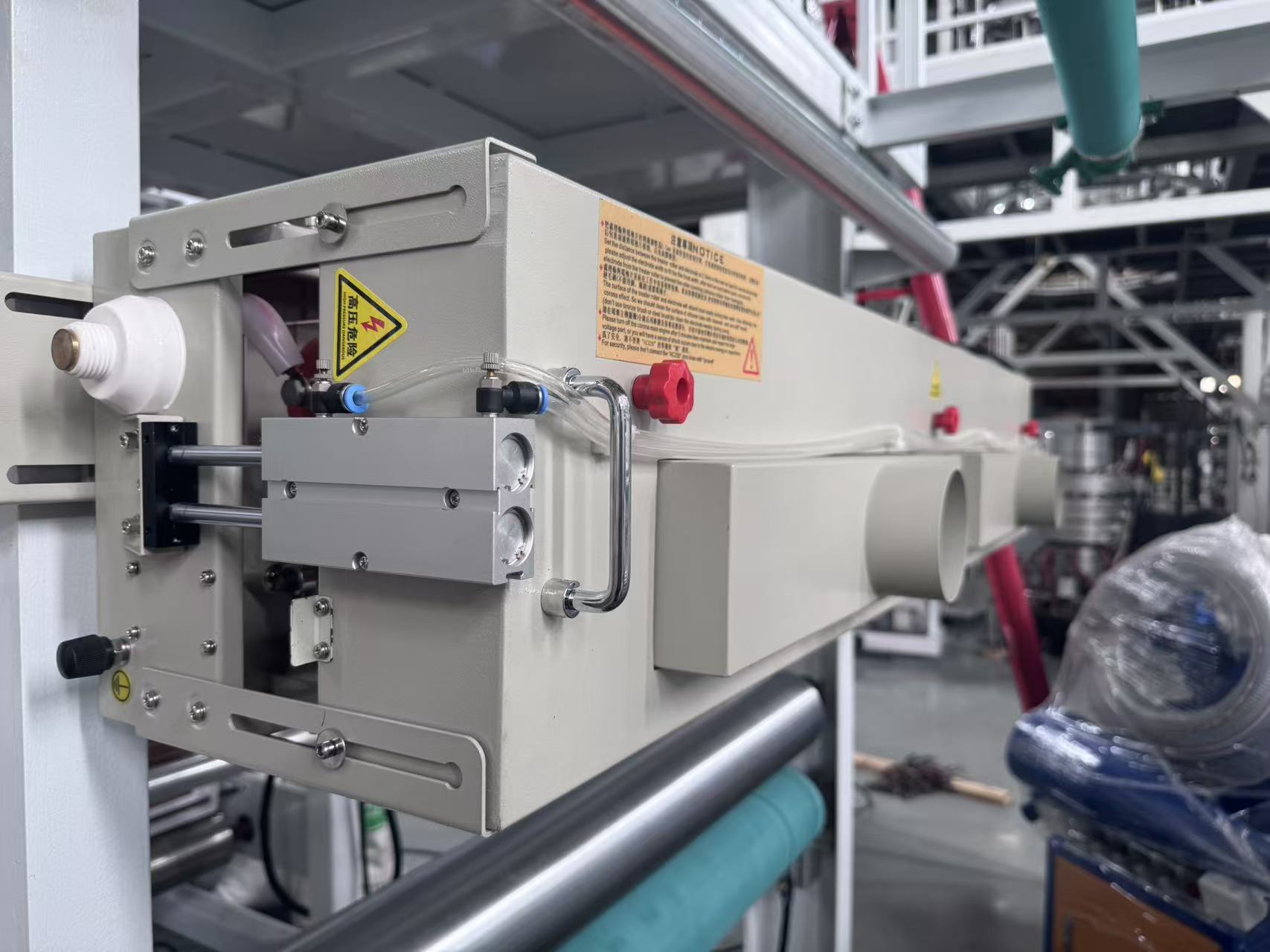
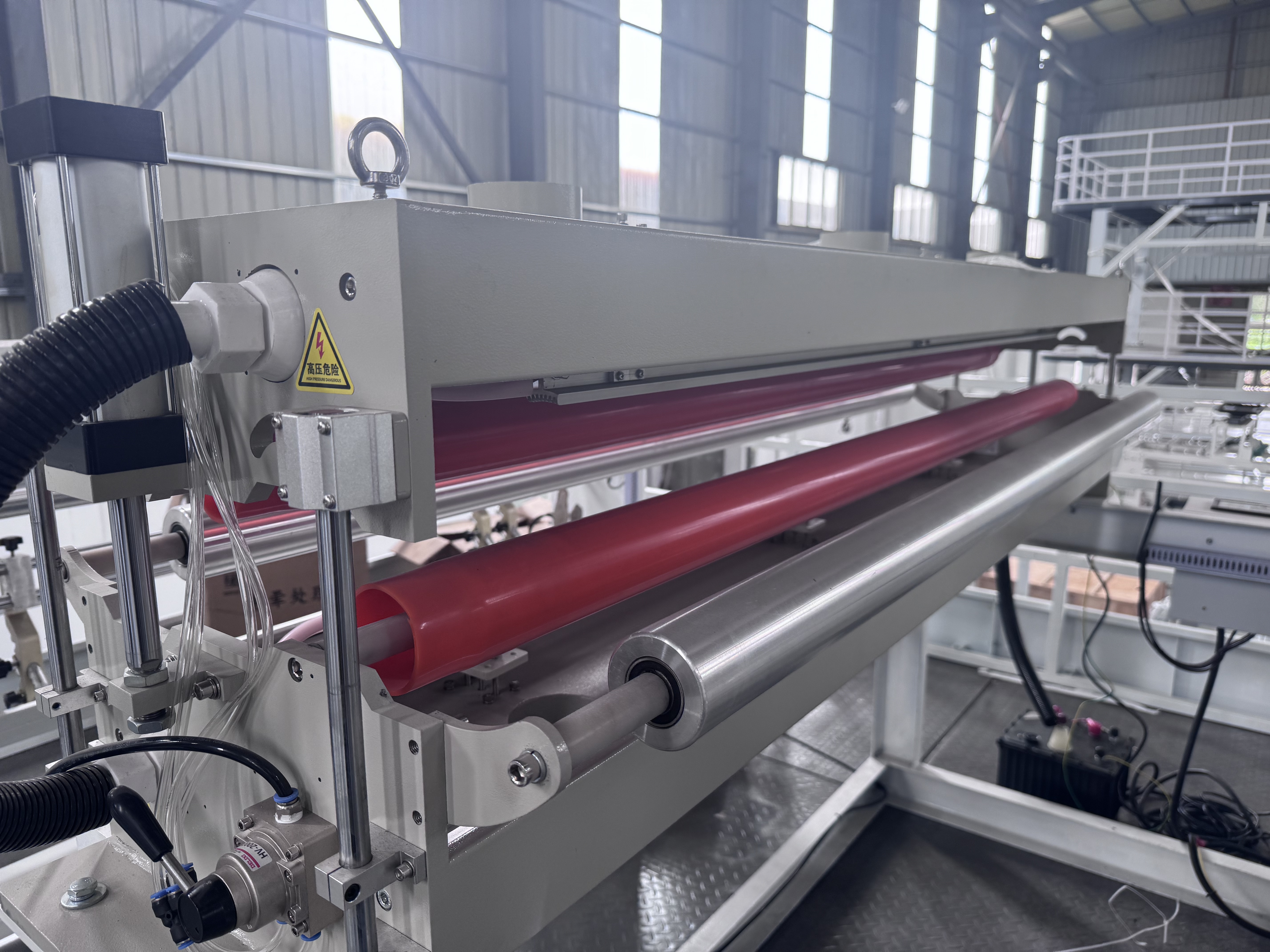
Extrusion Blown Film Process

Let Us Help You with Pricing

Our sales team will contact you shortly with pricing details and suggestions.
Name
Company Name
Email
Mobile
Message
0/1000

extrusion blown film process

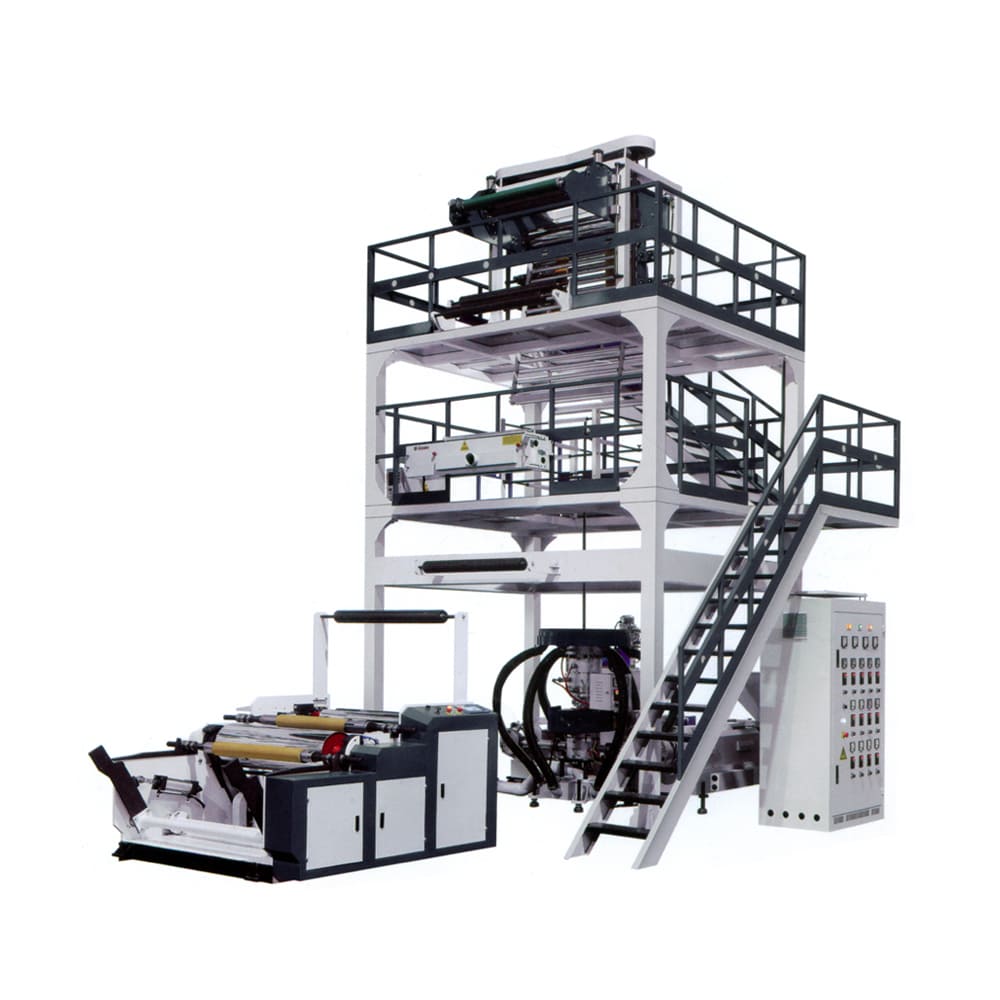
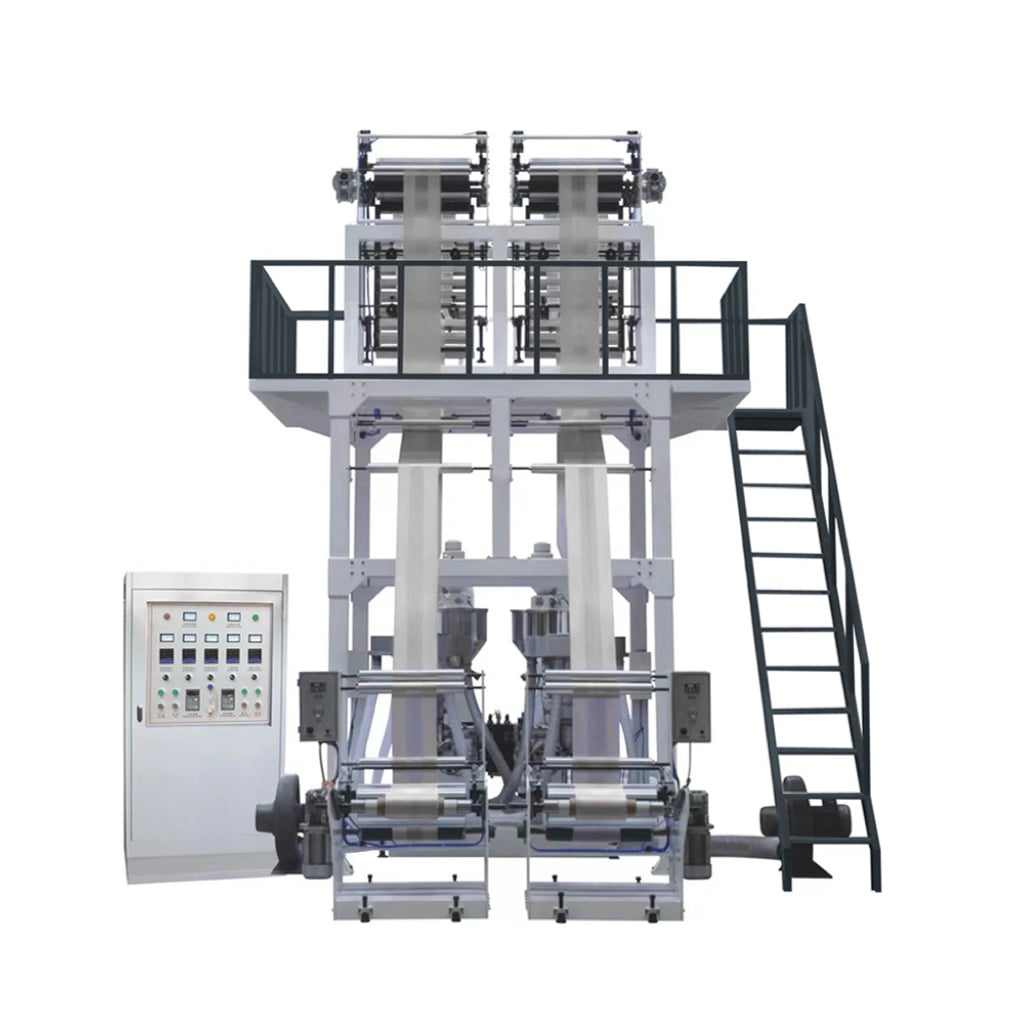
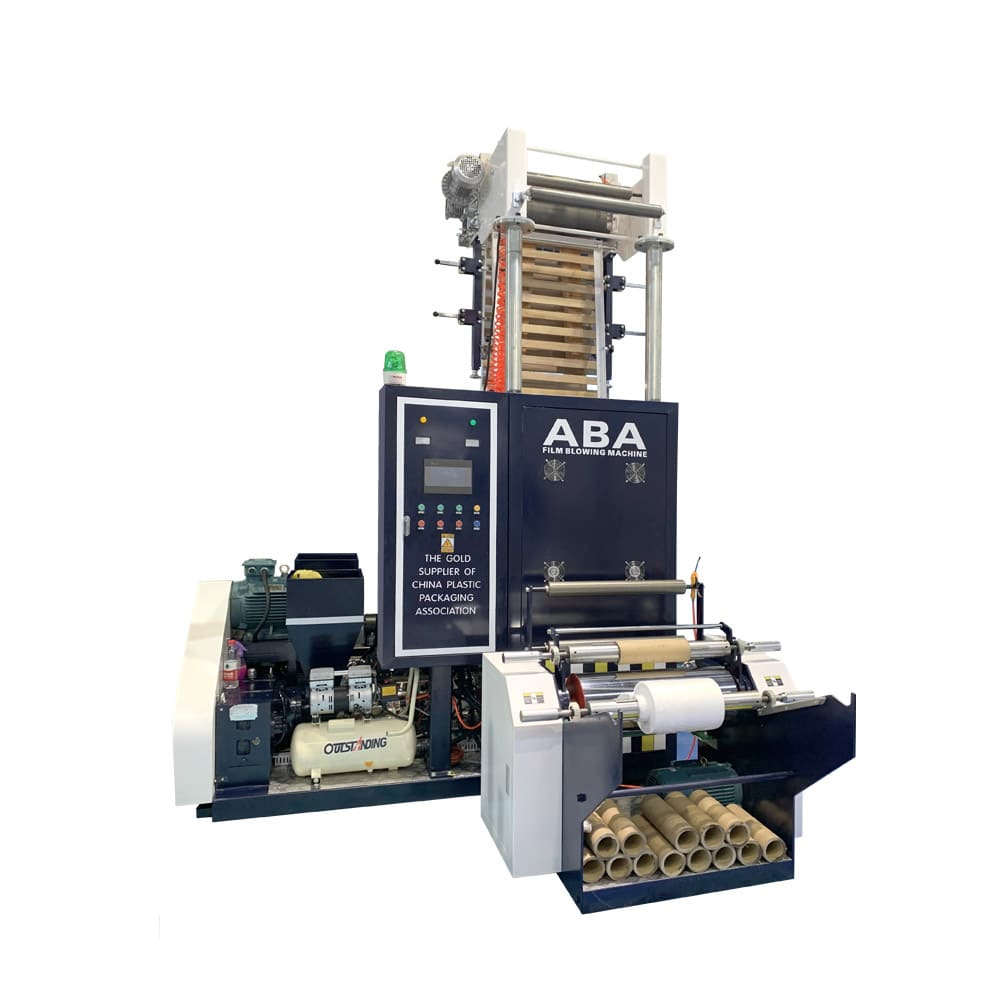
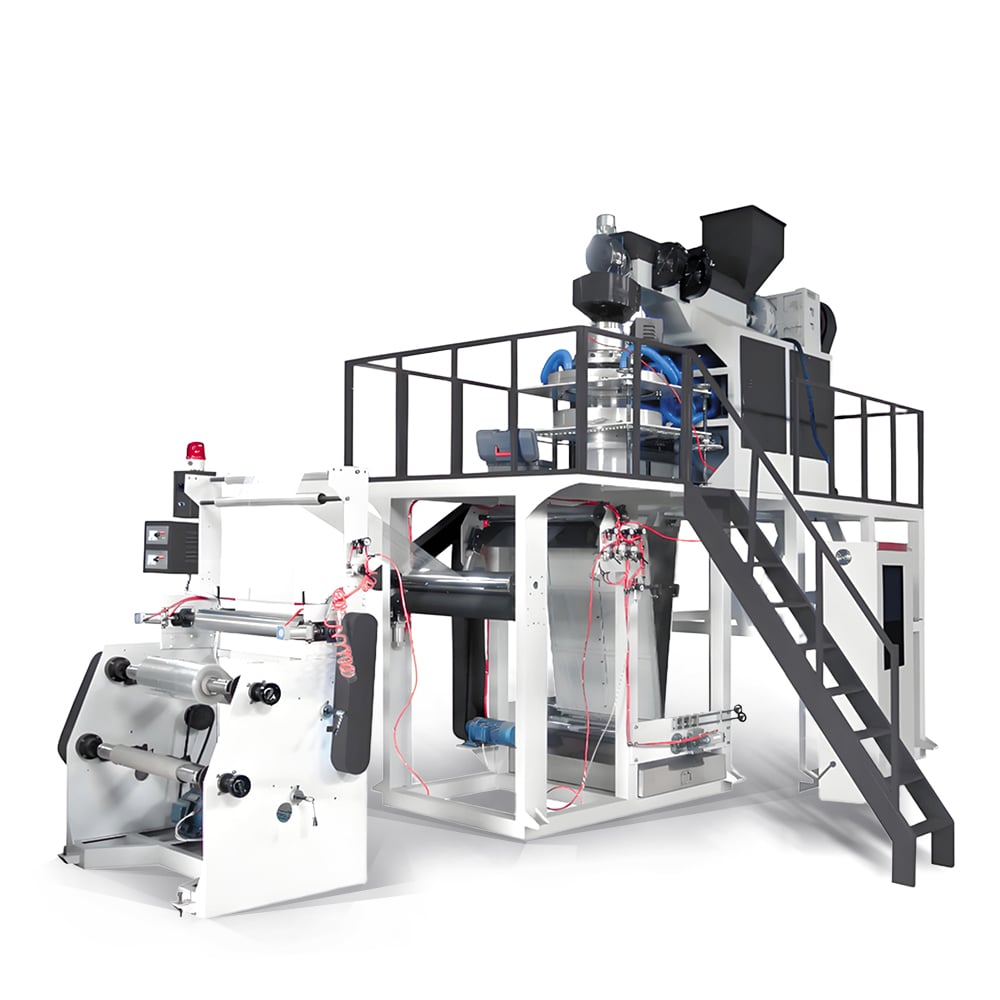
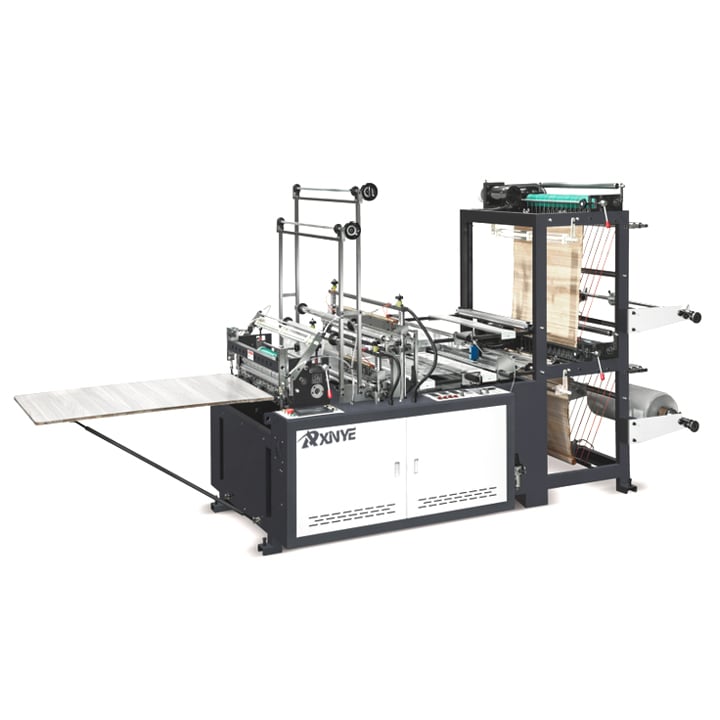
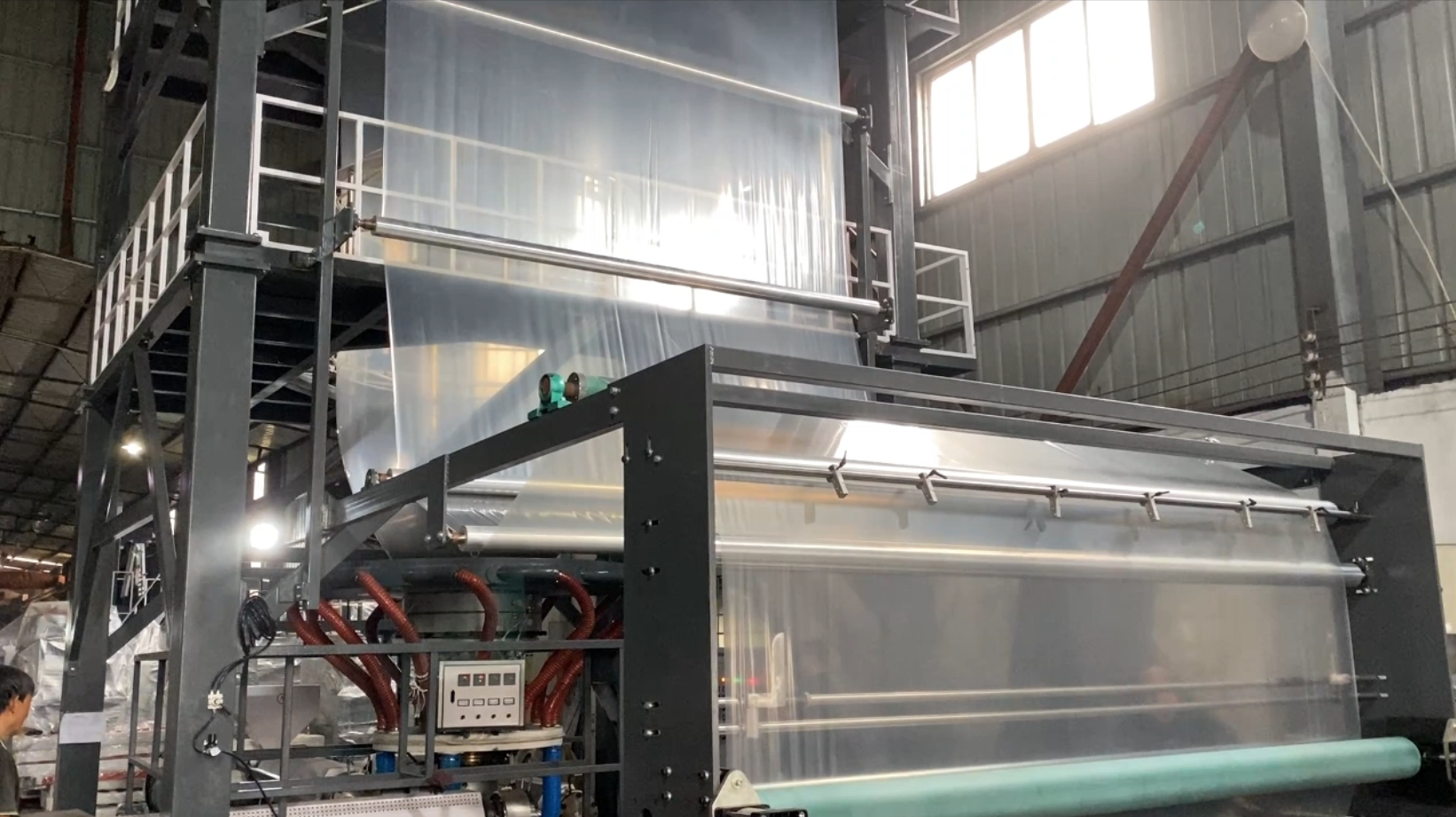
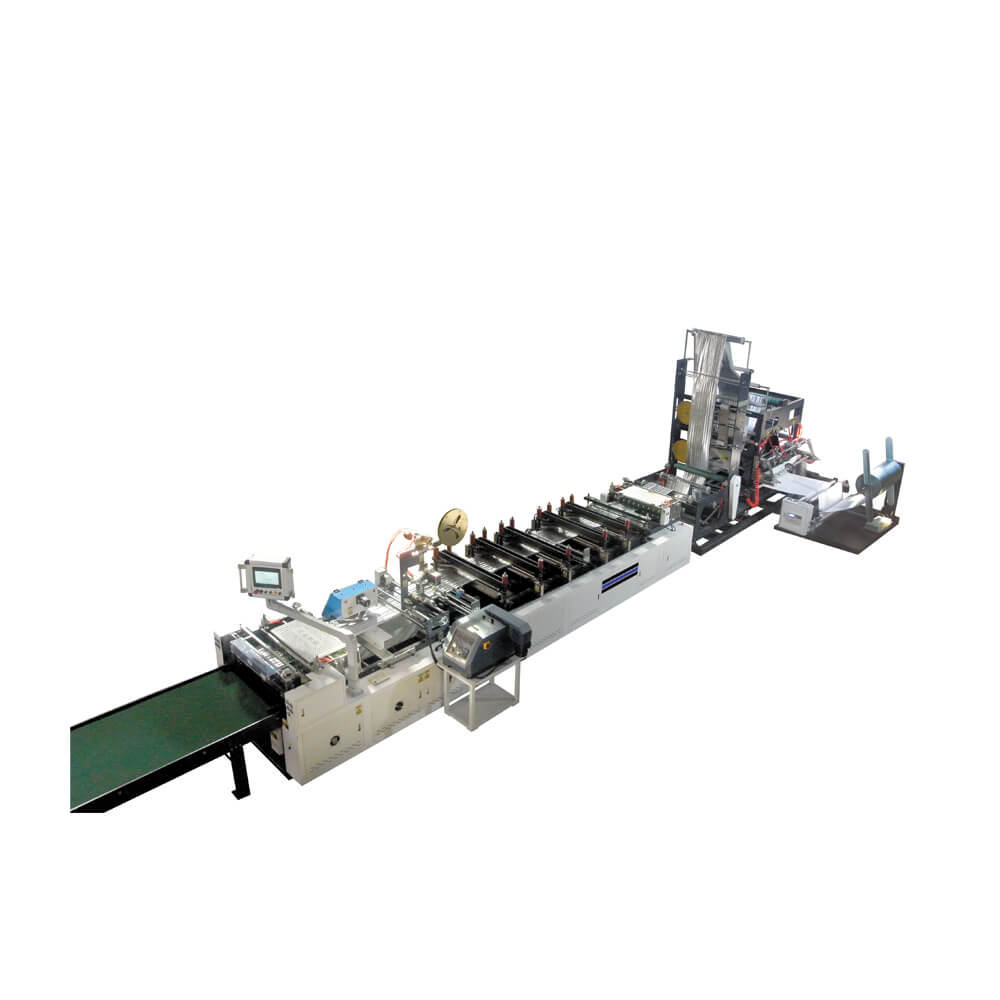
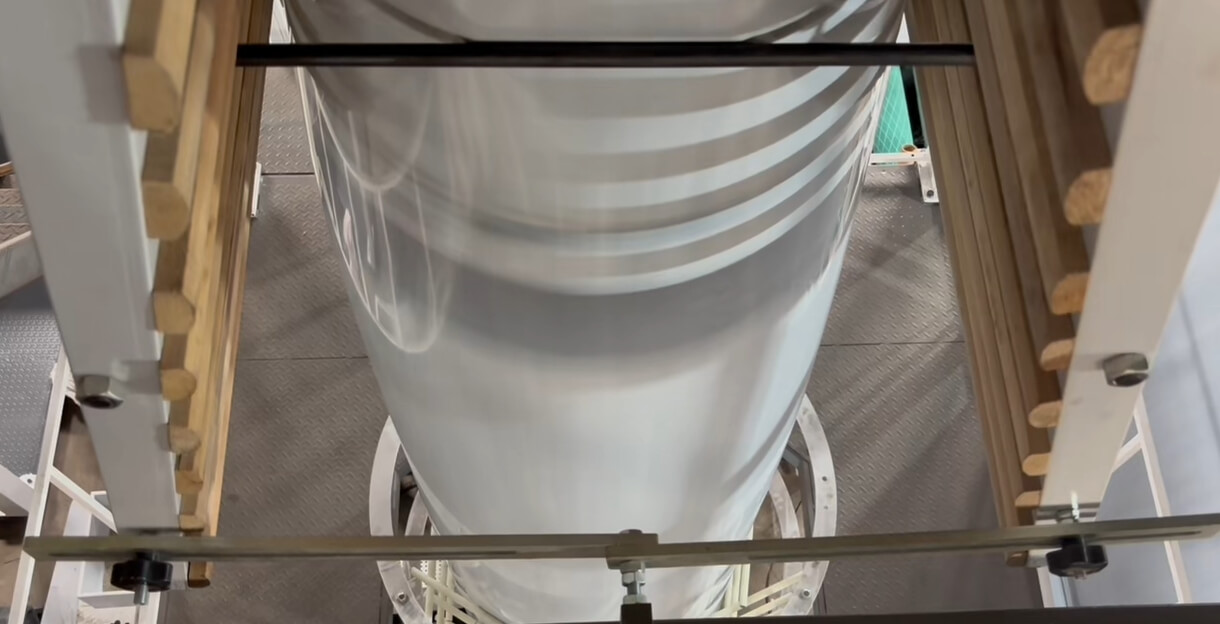
The extrusion blown film process represents a sophisticated manufacturing technique that produces plastic films through a continuous, cost-effective method. This extrusion blown film process involves melting plastic resin pellets and forcing the molten material through a circular die, which creates a bubble that expands as air is introduced from within. The expanding bubble is then cooled and flattened into a flat sheet of film. The extrusion blown film process operates by combining heat, pressure, and controlled air flow to transform raw plastic materials into functional films. The primary function of this extrusion blown film process is to manufacture flexible plastic sheets used across multiple industries. During operation, the extruder heats plastic material to precise temperatures, pushing it through the annular die opening. As the bubble ascends, it stretches both radially and vertically, creating uniform thickness throughout the film. Key technological features of the extrusion blown film process include automated temperature control systems, adjustable blow ratios, and integrated cooling mechanisms. These features enable manufacturers to produce films with specific properties such as thickness, tensile strength, and puncture resistance. The extrusion blown film process delivers exceptional versatility in film applications, from agricultural mulch films to packaging materials and protective barriers. Applications of the extrusion blown film process span packaging, agriculture, construction, and medical industries. Plastic bags, shrink films, and protective wrapping all utilize this proven manufacturing method. The efficiency and reliability of the extrusion blown film process make it the preferred choice for high-volume production environments.


New Product Recommendations

The extrusion blown film process delivers substantial operational and economic benefits to manufacturers seeking reliable plastic film production. This method enables companies to produce large volumes of consistent, high-quality films while minimizing material waste and production costs. By utilizing the extrusion blown film process, businesses achieve significant competitive advantages in today's demanding market. Operational efficiency represents a primary advantage of the extrusion blown film process. The automated nature of this manufacturing method reduces labor requirements and human error, resulting in continuous production with minimal interruptions. Manufacturers using the extrusion blown film process can achieve remarkable output rates, producing thousands of kilograms daily without sacrificing quality standards. Cost effectiveness makes the extrusion blown film process attractive for both small and large-scale producers. Lower energy consumption compared to alternative methods reduces operational expenses, while scalability allows businesses to match production capacity with market demand. The extrusion blown film process maximizes material utilization, converting raw plastic into finished films with exceptional efficiency. Product versatility stands as another compelling benefit of the extrusion blown film process. This technique accommodates various plastic materials including polyethylene, polypropylene, and specialized compounds, enabling manufacturers to create films meeting diverse customer specifications. The extrusion blown film process supports customization in thickness, width, and material composition without requiring extensive equipment modifications. Application suitability across industries strengthens the case for adopting the extrusion blown film process. Whether producing agricultural films, packaging materials, or industrial barriers, this method delivers consistent performance. Customers benefit from reliable supply chains and predictable film quality when working with manufacturers employing the extrusion blown film process, making it an invaluable investment for production facilities.

Tips And Tricks

How Plastic Film Quality Affects Plastic Bag Production Efficiency

26

Dec

How Plastic Film Quality Affects Plastic Bag Production Efficiency

Why Plastic Film Quality Directly Determines Plastic Bag Making Machine Uptime and Speed How inconsistent melt flow index (MFI) and moisture content trigger feed instability and web breaks The melt flow index (MFI), which basically measures how ru...
View More
Configuration of Blown Film Extruders for Uniform and High-Quality Plastic Film Production

27

Mar

Configuration of Blown Film Extruders for Uniform and High-Quality Plastic Film Production

Core Components of Blown Film Extruders and Their Impact on Melt Uniformity Screw Geometry and Compression Ratio: Balancing Shear, Mixing, and Melt Homogeneity How screws are designed plays a big role in achieving consistent melt quality during bl...
View More
Configuration of Bag Making Machine Attachments for Stand-Up Pouch and Zipper Bag Production

27

Mar

Configuration of Bag Making Machine Attachments for Stand-Up Pouch and Zipper Bag Production

Essential Attachments for Stand-Up Pouch and Zipper Bag Functionality Zipper Insertion Units: Precision Alignment and Thermal Bonding for Ziplock Integration Today's bag making equipment incorporates special zipper insertion systems that create de...
View More
Optimizing Film Bubble Stability in Blown Film Extruders for Consistent Film Width and Gauge

27

Mar

Optimizing Film Bubble Stability in Blown Film Extruders for Consistent Film Width and Gauge

What Is Film Bubble Stability—and Why It Directly Controls Width and Gauge Uniformity Film bubble stability refers to the consistent formation and maintenance of the polymer bubble during blown film extrusion. This stability directly governs ...
View More

Let Us Help You with Pricing

Our sales team will contact you shortly with pricing details and suggestions.
Name
Company Name
Email
Mobile
Message
0/1000

extrusion blown film process

Superior Production Efficiency and Throughput

Superior Production Efficiency and Throughput

The extrusion blown film process revolutionizes manufacturing productivity by delivering exceptional production rates without compromising quality. This advanced technique enables manufacturers to produce continuous films at high speeds, maximizing daily output and meeting ambitious production targets. The extrusion blown film process operates continuously throughout shifts, eliminating downtime and maintaining consistent film generation. Modern equipment incorporating the extrusion blown film process achieves throughput rates that significantly exceed conventional manufacturing methods. Manufacturers leveraging the extrusion blown film process report production increases of thirty to fifty percent compared to legacy equipment. The automation inherent in the extrusion blown film process minimizes manual interventions, allowing operators to monitor multiple systems simultaneously. This efficiency translates directly to reduced per-unit production costs, enabling competitive pricing while maintaining healthy profit margins. Customers choosing partners who utilize the extrusion blown film process benefit from shorter lead times and reliable delivery schedules, strengthening their supply chain management and business competitiveness.
Material Flexibility and Customization Capabilities

Material Flexibility and Customization Capabilities

The extrusion blown film process accommodates diverse plastic materials and formulations, providing unprecedented customization flexibility for manufacturers and their clients. This versatile manufacturing approach works effectively with polyethylene, polypropylene, linear low-density polyethylene, and advanced polymer blends. The extrusion blown film process enables precise control over film thickness, width, density, and tensile properties through adjustable parameters and material selection. Manufacturers employing the extrusion blown film process can modify production runs quickly, switching between different specifications without extensive equipment reconfiguration or extensive downtime. Specialized additives and pigments integrate seamlessly into the extrusion blown film process, creating films with enhanced properties such as UV resistance, antimicrobial protection, or improved optical clarity. This adaptability of the extrusion blown film process empowers businesses to serve niche markets and respond rapidly to customer demands for specialized film characteristics and innovative material solutions.
Cost Reduction and Economic Sustainability

Cost Reduction and Economic Sustainability

The extrusion blown film process delivers measurable economic advantages through reduced material waste, lower energy consumption, and minimized labor requirements. Compared to alternative film manufacturing techniques, the extrusion blown film process achieves superior material conversion efficiency, transforming more raw plastic into finished products with minimal scrap generation. Energy efficiency inherent in the extrusion blown film process results from optimized heating systems and streamlined production workflows, reducing operational electricity consumption and associated costs. The extrusion blown film process automation substantially lowers labor requirements, enabling smaller crews to manage production facilities while maintaining output quality and consistency. Long-term sustainability improves when businesses adopt the extrusion blown film process, as reduced material waste contributes to environmental responsibility alongside financial savings. Return on investment accelerates for manufacturers transitioning to modern equipment utilizing the extrusion blown film process, as productivity gains quickly offset capital expenditures and generate substantial ongoing savings throughout equipment lifespan.