

 EN
EN

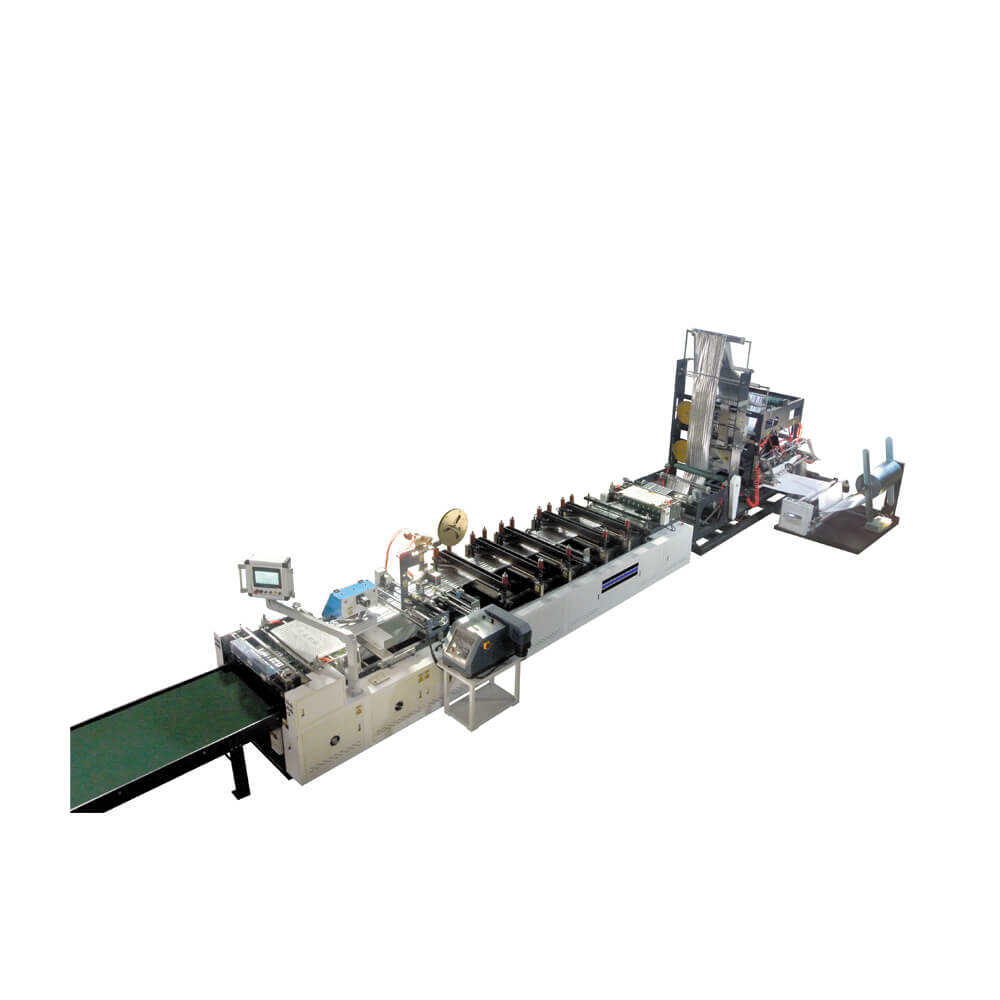
Essential Attachments for Stand-Up Pouch and Zipper Bag Functionality
Zipper Insertion Units: Precision Alignment and Thermal Bonding for Ziplock Integration
Today's bag making equipment incorporates special zipper insertion systems that create dependable resealable closures for those stand up pouches we see everywhere. These systems use laser guidance to line up the zipper tapes pretty accurately, about plus or minus 0.3 millimeters actually, then heat them together at temperatures ranging from 150 to 180 degrees Celsius. The result? Strong seals that don't mess with the quality of the plastic film itself. What this means in practice is no annoying gaps between channels and those frustrating weak spots that let air in and ruin what's inside. And guess what? People really care about this stuff. Recent packaging industry research indicates that around three out of four shoppers look specifically for packages they can easily close again when buying snacks or other dry products. Makes sense when you think about it doesn't it?
Spout Sealing and Ultrasonic Welding Modules for Leak-Proof Doy Pack Closure
Liquid filled doy packs benefit from spout sealing modules combined with ultrasonic welding techniques that produce completely sealed closures without needing any adhesives. These systems work around 20 kilohertz frequencies, applying just the right amount of pressure along with vibration to bond the film layers down at a molecular level. This actually gets rid of those tiny leakage spots that regular heat sealing methods often overlook. The importance becomes really apparent when dealing with products like acids or oils, since even the tiniest flaws measured in fractions of a millimeter can lead to spoilage issues. Another big plus is that since ultrasonic welding doesn't require physical contact between components, it maintains the shape and strength of the pouches throughout fast production runs on the filling line.
Gusset Folding, Handle Stamping, and Perforation Attachments in Premade Pouch Packaging
Gusset formers integrated into production lines handle base formation automatically through adaptive tucking systems that work well with films between about 15 to 250 microns thick. The rotary die cutters do their thing pretty fast too, stamping out those ergonomic handles at over 120 pouches per minute without compromising the strength of the material. For opening convenience, there are these micro serrated wheels that create tear notches right where they need to be. They control the depth pretty accurately around 30% to 70% of what the material is thick, so people can just pull them open cleanly without any hassle. All these different parts attached to the machine basically turn plain old flat film into ready to sell pouches. What's really nice is how everything adapts so easily to different products specs all on the same setup, which saves time and money for manufacturers.
Bag Making Machine Configuration: Stand-Up Pouch vs. Zipper Bag Compatibility
Mechanical and Sensor-Based Differences in Pouch Loading, Opening, and Orientation Handling
Setting up bag making equipment for stand up pouches compared to zipper bags involves completely different approaches when it comes to mechanics and sensing technology. For stand up pouch production, manufacturers rely on 3D laser sensors to get those gusseted bases just right before any filling takes place something that simply doesn't matter for regular flat zipper bags. On the other hand, zipper bag lines typically make do with 2D optical sensors checking track alignment stays within about half a millimeter. The suction systems also vary quite a bit here. Stand up pouch setups need these complex multi stage unfolding actuators because they're dealing with those delicate laminated side panels. Zipper bags? A simple single plane vacuum gripper works fine most of the time. According to recent data from the Flexible Packaging Association back in 2023, around three quarters of all high speed transfer problems come down to wrong orientation issues. That really highlights why having specific sensor logic makes such a difference. And let's not forget about dual mode machines which actually need special servo driven tension controls since stand up pouches generally use film that's about thirty percent thicker than what we see in standard zipper applications.
| Handling Requirement | Stand-Up Pouch Configuration | Zipper Bag Configuration |
|---|---|---|
| Orientation Sensors | 3D laser alignment for gussets | 2D optical zipper track detection |
| Suction Cup System | Multi-stage unfolding actuators | Single-plane vacuum grippers |
| Film Tension Control | 25–30N constant tension required | 15–20N variable tension sufficient |
Film Thickness and Zipper Tape Width Tolerance Limits in Dual-Mode Bag Making Machine Setups
When dual configuration machines switch between different packaging formats, they run into serious issues with material tolerances. Stand up pouches typically require thicker films around 120 to 200 microns which means the sealing jaws need to be about 8 to 10 millimeters wide. Zipper bags are different though, using much thinner materials in the 60 to 100 micron range that work better with narrower sealing areas measuring just 5 to 7 mm. A recent study by the Flexible Packaging Association found that if zipper tape widths vary more than plus or minus 0.1 mm, rejection rates jump by about 30% in these dual mode operations. The best systems on the market now come equipped with quick change tooling that automatically adjusts for various zipper profiles ranging from small 3 mm reclosable tracks all the way up to larger 8 mm press to close versions, keeping seals intact regardless of format. Something important to note is how ultrasonic welding performance plummets when there's more than a 15% difference in film thickness between production runs, so real time pressure adjustments become absolutely necessary during equipment changes. According to data collected from major manufacturers, properly set up dual mode systems can cut down on material waste by roughly 22%, making them a smart investment for many packaging facilities.
Automating Premade Pouch Handling with Integrated Bag Making Machine Systems
Vision-Guided Robotic Loading and Synchronization with Filling and Sealing Stations
The introduction of vision guided robotics has completely changed how we handle pre made pouch loading, basically doing away with all those manual steps and replacing them with something much smarter. These systems use high res cameras along with real time image processing to figure out what kind of pouch it is and where it's facing, handling over 200 units per minute while automatically changing grip strength depending on how thick the film material happens to be. Then there are these vacuum suction cups that actually put the pouches right onto conveyor grippers with incredible accuracy down to fractions of a millimeter. Everything works together smoothly because these machines communicate constantly with the filling and sealing stations through those PLC feedback loops. Getting that fill nozzle aligned properly within half a millimeter makes all the difference when it comes to making sure each pouch gets sealed correctly either thermally or using ultrasonic methods. A recent study from Packaging Digest back in 2023 showed just how effective this kind of automation really is, achieving almost perfect orientation accuracy at around 99.8% and reducing the need for human workers by about 90%. The results speak for themselves especially when dealing with large volumes of zipper bags that need to be produced consistently day after day.
Bridging the Gap: Why Zipper Integration Remains Underutilized in Stand-Up Pouch Production
The market really wants resealable options these days, but getting those zippers into stand-up pouches still isn't widespread. It's not that consumers aren't interested in this feature though. The main problem lies in how most bag making machines are configured today. When companies try retrofitting their current production lines with zipper insertion equipment, they face all sorts of headaches. The machinery needs complete recalibration of those mechanical guides and sensor settings just to handle different tape widths properly. Setup costs jump anywhere from 25% to 40% higher than normal operations. Then there's the whole material compatibility issue. Those thin films commonly found in doypacks tend to melt right through during standard thermal bonding processes, which leads to weak seals down the line. Production managers report synchronization problems too when trying to run both zipper insertion and spout sealing modules together on the same line. Misaligned pouches mess up the timing of everything else, causing constant jams and downtime. All these technical roadblocks combined with the need for extra operator training and slow changeovers between different production modes make it tough economically for many manufacturers. We won't see this capability gap close until we get some kind of standardized modular attachments that work across different machines. And yet, despite all these challenges, resealable stand-up pouches continue to be one of the fastest growing areas in flexible packaging according to recent industry reports.
FAQ
What is the main benefit of using zipper insertion units in stand-up pouches?
Zipper insertion units allow for the creation of dependable, resealable closures, ensuring that there are no gaps in the packaging which may lead to spoilage of the contents. This feature is especially sought after by consumers purchasing snacks or dry products.
How do spout sealing modules and ultrasonic welding benefit doy packs?
These methods provide a leak-proof closure without adhesives, preventing spoilage in liquid products like oils and acids by sealing at a molecular level. Ultrasonic welding also maintains the shape and strength of the pouches.
Why is zipper integration underutilized in stand-up pouch production?
Integrating zippers in stand-up pouches requires significant recalibration and setup costs for machinery, facing challenges related to material compatibility and synchronization between modules, leading many manufacturers to delay adopting this feature.
How does robotic automation improve premade pouch handling?
Robotic automation with vision-guided systems enhances efficiency by accurately identifying pouches and synchronizing with filling stations, reducing manual labor by 90% and achieving near-perfect positioning accuracy.
Table of Contents
- Essential Attachments for Stand-Up Pouch and Zipper Bag Functionality
- Bag Making Machine Configuration: Stand-Up Pouch vs. Zipper Bag Compatibility
- Automating Premade Pouch Handling with Integrated Bag Making Machine Systems
- Bridging the Gap: Why Zipper Integration Remains Underutilized in Stand-Up Pouch Production
- FAQ