

 EN
EN

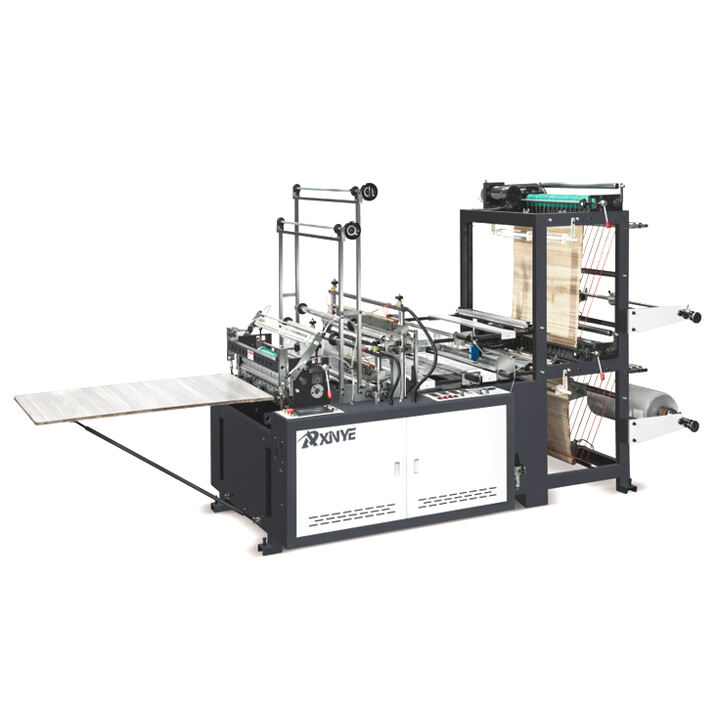
Why Plastic Film Quality Directly Determines Plastic Bag Making Machine Uptime and Speed

How inconsistent melt flow index (MFI) and moisture content trigger feed instability and web breaks
The melt flow index (MFI), which basically measures how runny or thick a polymer is, tends to mess things up when it's inconsistent in plastic bag production. If the MFI swings too much, like going over plus or minus 5%, then the melting just doesn't happen evenly across the machine. This creates all sorts of problems with varying thicknesses that end up jamming those tension sensors and feed rollers we rely on so much. At the same time, if there's more than 0.02% moisture in polyethylene resins, guess what happens? The water turns into steam right during heat sealing operations, creating tiny bubbles that weaken the seals completely. These two issues together are real troublemakers for the film web, causing constant breaks that require operators to manually restart everything and readjust tensions constantly. According to numbers from the industry, these kinds of disruptions take up around 15 to 20 percent of unexpected downtime each year at bag manufacturing facilities.
The amplification effect: Why high-speed Plastic Bag Making Machines expose minor film defects as catastrophic failures
Plastic bag making machines running over 200 bags per minute turn tiny film problems into major headaches. Those pesky gels, which are basically unmelted polymer bits around 50 microns in size, create pinholes that spread fast into wide tears when tension builds up. Thickness variations below plus or minus 0.1mm might seem insignificant at slower speeds but cause all sorts of trouble at high output rates. These minor inconsistencies set off harmonic vibrations in the nip rollers, throw off alignment of the plastic web, and lead to feed issues or razor sharp cuts through the material. Just one inclusion defect is enough to stop the whole line for half an hour or more during peak operations. The bottom line? Film quality has everything to do with how well these machines perform overall (what the industry calls OEE). Premium grade polymers just plain work better, cutting down on downtime by about 40% compared to regular materials.
Critical Film Properties That Govern Stable Feeding and Sealing in Plastic Bag Making Machines
Thickness uniformity (±2.5% tolerance), surface gloss, and die lip adhesion — their real-time impact on machine tension control
Keeping film thickness within about 2.5% variation is really important if we want to avoid those annoying feeding jams and tension problems that can bring production to a halt. When the film gets too thin or thick outside these limits, it stretches unevenly when moving at high speeds through the machinery. The surface finish matters too because it changes how the film interacts with rollers. Films with lower gloss tend to create more drag, which slows things down, whereas overly shiny surfaces can actually cause slipping issues when trying to seal products properly. Another big problem happens when molten polymer sticks to parts of the extrusion equipment, creating what's called die lip adhesion. This sticking leads to sudden tension jumps sometimes reaching over 50 Newtons per meter, which sends shockwaves through the entire production line until machines have to stop for safety reasons. Fortunately, modern technology helps here with laser measurement systems and infrared sensors that spot tiny thickness changes at the micron level. These devices then tweak roller speeds automatically, cutting down web breaks related to tension problems by around three quarters according to industry reports.
Polyethylene (PE) resin specifications: Balancing melt strength, clarity, and thermal stability for seamless bag conversion
Getting the right balance of properties is essential when working with polyethylene (PE) resin for bag production. When melt strength stays above 15 cN, it helps prevent those annoying neck-in deformations that happen during fast stretching processes. For clarity purposes, most manufacturers aim for haze levels under 5%, which comes down to managing crystallinity properly. Thermal stability matters too because good control means consistent seals without oxidation issues at temperatures around 150 to 180 degrees Celsius. If things go wrong here, we get chain breaking and gel formation that ends up clogging die lips. Looking at MFI values between 2 and 4 grams per 10 minutes strikes a nice balance between flow characteristics and structural strength, allowing machines to run smoothly at speeds exceeding 300 bags per minute. Industry experience shows that choosing quality PE materials can cut seal failures by roughly two thirds compared to cheaper alternatives on the market.
Proactive Film Quality Control: From Raw Material Inspection to In-Line Monitoring
Pre-extrusion checks: Moisture analysis, additive dispersion verification, and MFI validation protocols
Checking things before production starts helps stop problems from happening early on in the Plastic Bag Making Machine process. The folks who run these machines look at moisture levels through something called Karl Fischer titration. If there's more than 0.02% moisture present, bubbles tend to form during extrusion which messes up the whole operation. They also check MFI values to make sure the resin stays within about 5% of what it should be, otherwise the material melts unevenly and creates all sorts of issues. For additives, they run tests with spectroscopy equipment to ensure pigments spread out properly throughout the material. This matters a lot because poor distribution leads to weak seals later on. Industry reports from 2023 show that following these quality control steps cuts down on extrusion defects by around 30%, though results can vary depending on specific plant conditions and materials used.
In-line extrusion monitoring: Real-time melt temperature, vacuum venting, and screw speed adjustments to prevent gels and haze
The real time sensors help keep things stable during the extrusion process which is pretty important when running at high speeds for bag production. These infrared thermometers track the melt temps pretty closely, usually keeping them within about 3 degrees Celsius range. At the same time, the machine automatically adjusts how fast the screw turns to stop the plastic from breaking down too much. When the film starts getting hazy beyond around 2% opacity, vacuum vents kick in to suck out those pesky volatile compounds that create annoying gel spots. According to several top manufacturers in the field, putting these monitoring systems into place cuts down web breaks by roughly 12%, which means significantly better productivity across their plastic bag making operations.
Quantifying the ROI: How Superior Film Quality Reduces Waste and Boosts Output on Plastic Bag Making Machines
Premium plastic films actually pay for themselves over time because they cut down on those frustrating production stoppages and wasted materials. When the film maintains consistent thickness within about 2.5% and has good melt flow index, it simply doesn't break as often during processing. This means fewer headaches with tension issues and dramatically lower scrap rates, sometimes cutting waste by around 30% on those fast running plastic bag machines. The plant runs smoother too. Real world data from the industry suggests output can jump anywhere between 25% to even 60% once common problems like gel spots or moisture variations get eliminated from the process. All these efficiencies plus using less raw material naturally brings down what each unit costs to produce. Another bonus is how stable these films stay when sealing happens, which saves about 15 to 20% in energy bills. And because the resin composition stays uniform throughout, most bags come out intact without defects, keeping recall risks below 2%. Most manufacturers find their investment starts paying off somewhere between one to two years after switching, mainly due to all that extra uptime and significantly less waste going into landfills.
FAQ
What is MFI, and why is it important in plastic bag production?
MFI, or melt flow index, measures the viscosity of polymers. Inconsistent MFI can lead to uneven melting across production machinery, causing jams and defects in plastic bags.
How does moisture content affect the production process?
Excess moisture in polyethylene resins can turn into steam during heat sealing, causing bubbles and weakening seals, leading to frequent breaks and downtime.
What film properties are crucial for stable feeding and sealing?
Critical properties include thickness uniformity, surface gloss, and die lip adhesion, as these affect machine tension control and the overall quality of the final product.
How can real-time monitoring improve plastic bag production?
Real-time sensors track melt temperature and make automatic adjustments to screw speed and vacuums to prevent gels and haze, improving productivity.
Table of Contents
- Why Plastic Film Quality Directly Determines Plastic Bag Making Machine Uptime and Speed
- Critical Film Properties That Govern Stable Feeding and Sealing in Plastic Bag Making Machines
- Proactive Film Quality Control: From Raw Material Inspection to In-Line Monitoring
- Quantifying the ROI: How Superior Film Quality Reduces Waste and Boosts Output on Plastic Bag Making Machines