Extrusion Film Process: High-Quality Film Manufacturing

Let Us Help You with Pricing

Our sales team will contact you shortly with pricing details and suggestions.
Name
Company Name
Email
Mobile
Message
0/1000

extrusion film process

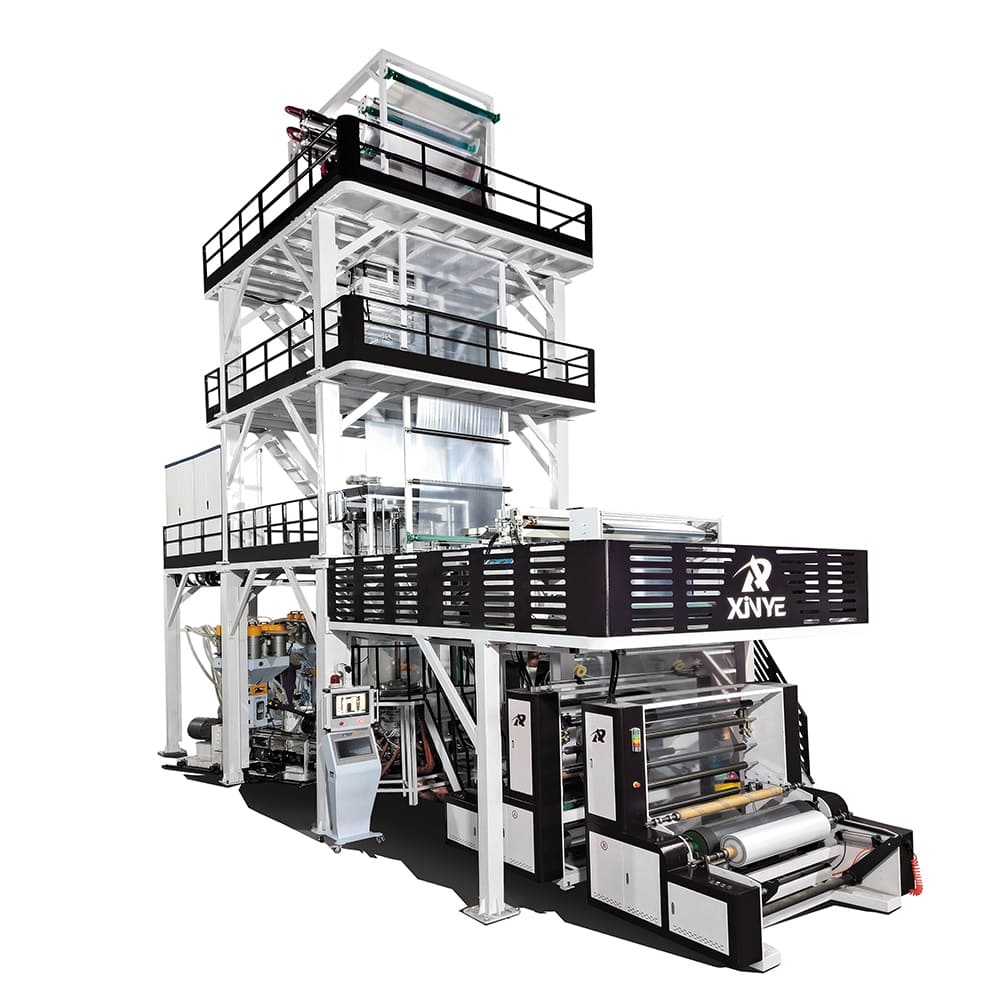
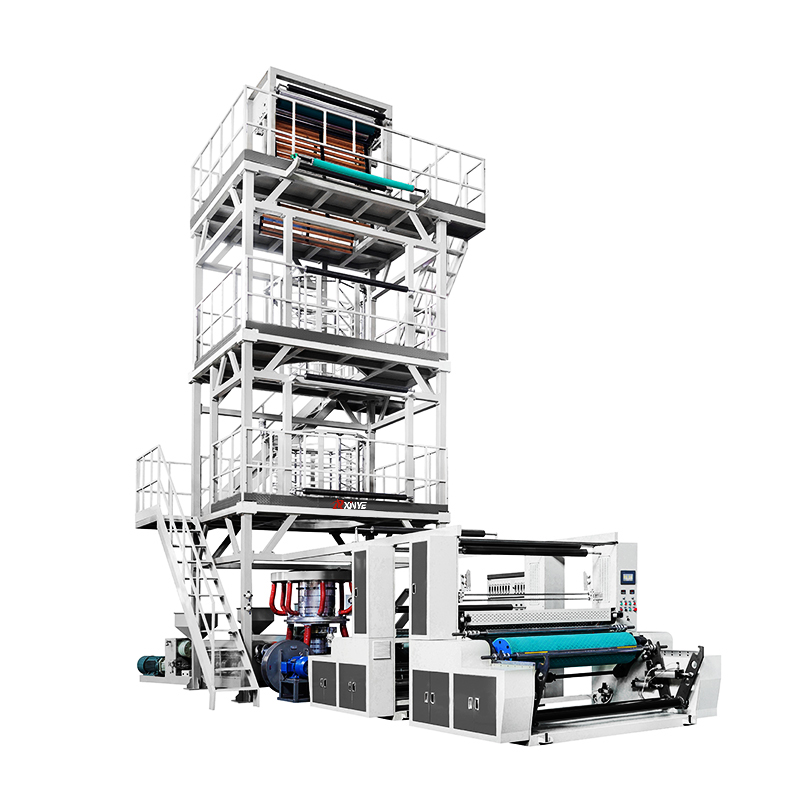
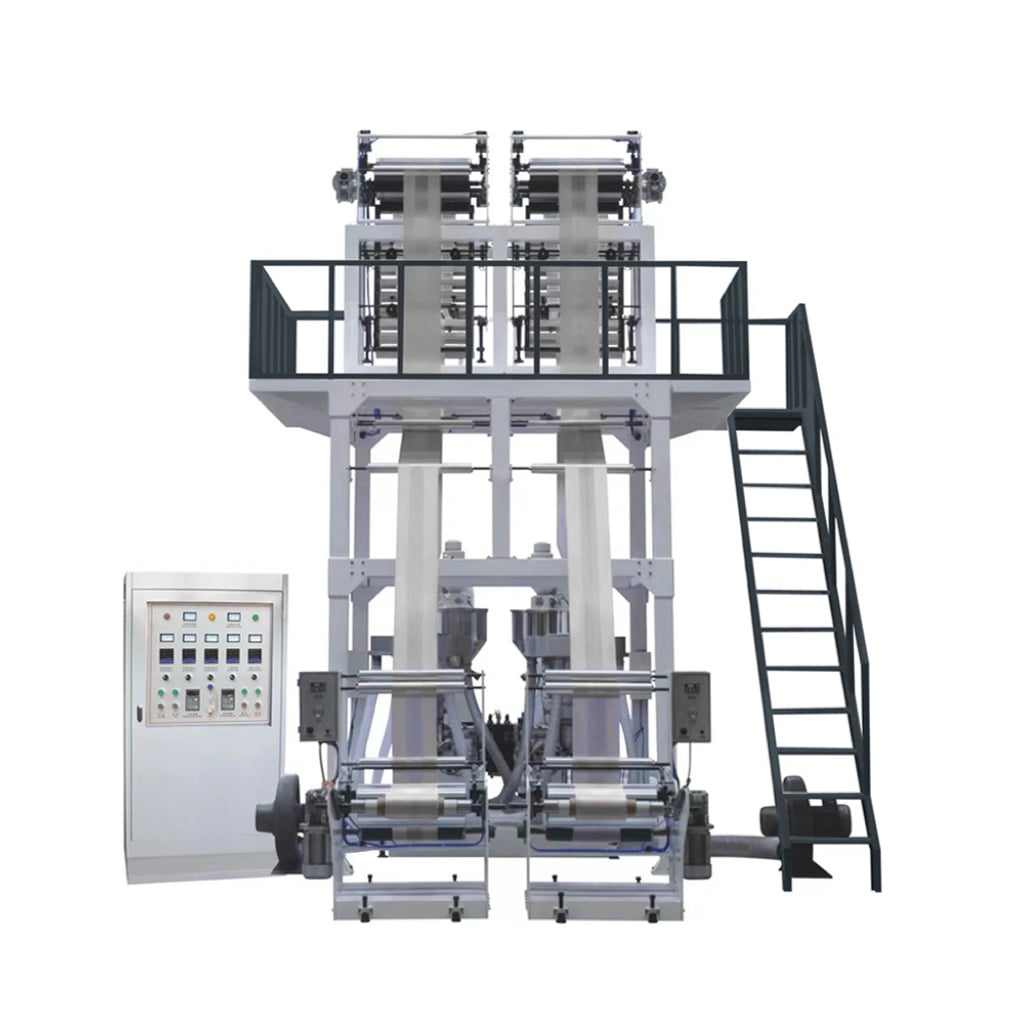
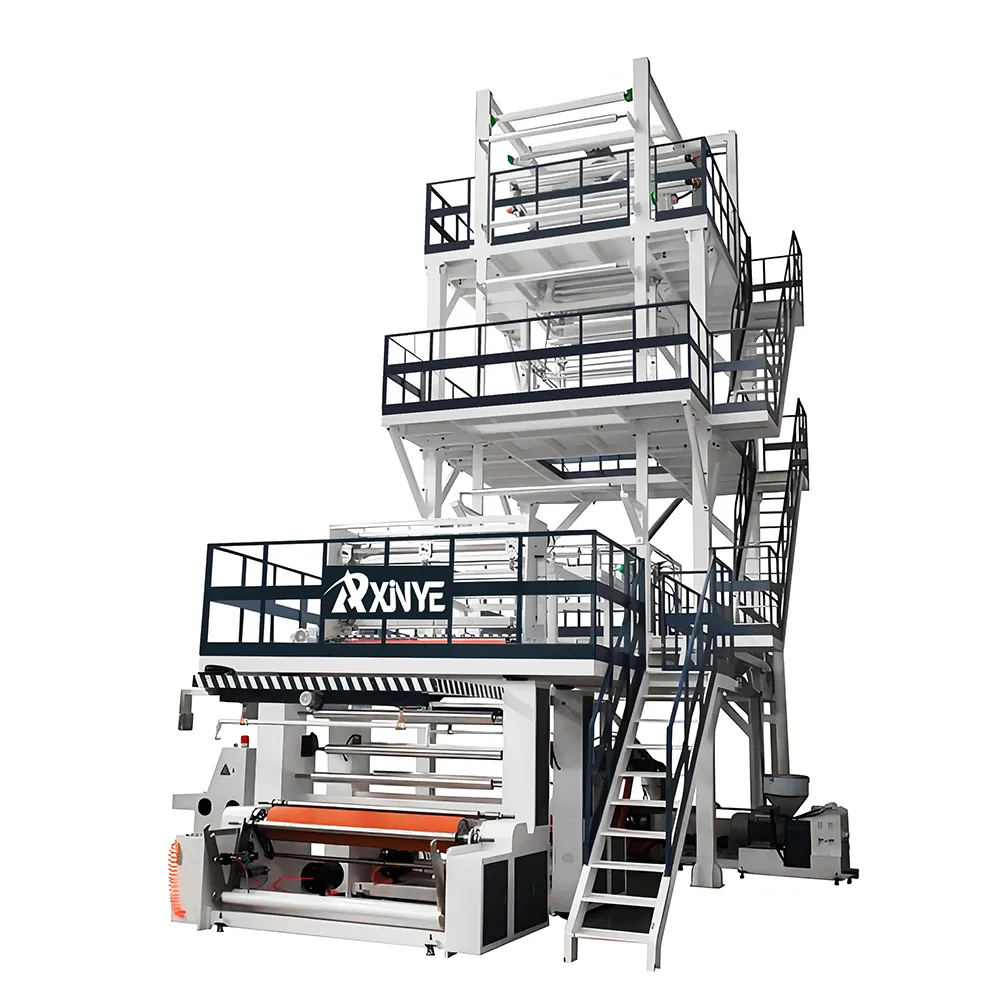
The extrusion film process is a sophisticated manufacturing technique that transforms raw plastic materials into thin, flexible films suitable for diverse industrial and commercial applications. This process involves melting plastic resin and forcing it through a specially designed die to create continuous sheets of material with precise thickness and width specifications. The extrusion film process operates by heating plastic pellets to precise temperatures, then pushing the molten material through an extrusion die that shapes it into film form. Once extruded, the material passes through cooling rollers that solidify the film and establish its final properties. The extrusion film process has become fundamental to modern packaging and manufacturing industries. Key technological features include advanced temperature control systems that maintain consistent material quality, multi-layer capability that allows combining different plastic types for enhanced performance, and automated thickness monitoring that ensures product uniformity. The process delivers films with controlled barrier properties, strength characteristics, and flexibility levels. Applications span food packaging, pharmaceutical wrapping, agricultural films, industrial protective coverings, and specialty applications requiring custom material properties. Modern extrusion film process equipment incorporates sophisticated sensors and computerized controls that optimize production efficiency while minimizing material waste. The versatility of the extrusion film process makes it essential for manufacturers seeking reliable, cost-effective film production solutions.


New Products

The extrusion film process delivers substantial practical benefits that make it an attractive choice for businesses requiring high-quality plastic films. First, the process enables rapid production speeds, allowing manufacturers to produce large volumes of film efficiently while maintaining consistent quality standards. This efficiency directly reduces production costs and improves profitability for operators. The extrusion film process offers excellent customization capabilities, enabling companies to create films with specific thickness, width, and material compositions tailored to exact application requirements. Businesses can adjust production parameters quickly, responding to market demands without extensive equipment modifications. Durability represents another significant advantage, as films produced through the extrusion film process exhibit superior strength and tear resistance compared to alternative manufacturing methods. This reliability ensures products remain protected throughout storage and transportation. Environmental advantages include the ability to incorporate recycled materials into the extrusion film process, reducing plastic waste and supporting sustainable manufacturing practices. The process also minimizes material waste during production through efficient die design and scrap recycling systems. Operational flexibility allows manufacturers to transition between different film specifications relatively easily, maximizing equipment utilization and reducing downtime. Cost-effectiveness emerges as a critical benefit, with the extrusion film process providing competitive pricing for high-volume production while maintaining quality standards. The process supports multi-layer film production, creating advanced materials with barrier properties, printability, and functionality that single-layer alternatives cannot match. Overall, the extrusion film process combines efficiency, quality, customization, and cost advantages that benefit various industries and applications.

Practical Tips

How Plastic Film Quality Affects Plastic Bag Production Efficiency

26

Dec

How Plastic Film Quality Affects Plastic Bag Production Efficiency

Why Plastic Film Quality Directly Determines Plastic Bag Making Machine Uptime and Speed How inconsistent melt flow index (MFI) and moisture content trigger feed instability and web breaks The melt flow index (MFI), which basically measures how ru...
View More
Twin Head vs Single Head Film Blowing Machines: Production Strategy Insights

31

Jan

Twin Head vs Single Head Film Blowing Machines: Production Strategy Insights

Production Capacity and Operational Efficiency: Twin Head vs Single Head Film Blowing Machines Throughput, Line Speed, and Uptime: Quantifying Real-World Output Gains Twin head film blowing machines typically produce about 30 to 50 percent more mat...
View More
How Automatic Thickness Control Systems Work in Film Blowing Machines

25

Feb

How Automatic Thickness Control Systems Work in Film Blowing Machines

Core Principle of Film Blowing Machines: Closed-Loop Feedback for Real-Time Thickness Correction At the heart of precision in film blowing machines lies the closed-loop feedback system—a dynamic process where thickness measurements directly ...
View More
Configuration of Bag Making Machine Attachments for Stand-Up Pouch and Zipper Bag Production

27

Mar

Configuration of Bag Making Machine Attachments for Stand-Up Pouch and Zipper Bag Production

Essential Attachments for Stand-Up Pouch and Zipper Bag Functionality Zipper Insertion Units: Precision Alignment and Thermal Bonding for Ziplock Integration Today's bag making equipment incorporates special zipper insertion systems that create de...
View More

Let Us Help You with Pricing

Our sales team will contact you shortly with pricing details and suggestions.
Name
Company Name
Email
Mobile
Message
0/1000

extrusion film process

High-Speed Production Efficiency

High-Speed Production Efficiency

The extrusion film process excels at delivering exceptional production speeds that significantly boost manufacturing output. Modern extrusion systems can produce thousands of meters of film hourly, dramatically increasing throughput compared to traditional manufacturing methods. This high-speed capability reduces per-unit production costs, making the extrusion film process economically advantageous for large-scale operations. The continuous nature of the extrusion film process eliminates frequent startup and shutdown cycles, optimizing machine utilization and labor efficiency. Manufacturers benefit from reduced energy consumption per unit of output, contributing to lower operational expenses. The consistency achieved through the extrusion film process at high speeds ensures uniform quality across entire production runs, minimizing defect rates and waste. This reliability allows businesses to meet demanding customer specifications and delivery schedules efficiently, strengthening competitive positioning.
Superior Customization and Material Flexibility

Superior Customization and Material Flexibility

The extrusion film process enables unprecedented customization options, allowing manufacturers to create films precisely matching application requirements. Operators can easily adjust thickness, width, and material composition by modifying process parameters, delivering tailored solutions without extensive retooling. The extrusion film process supports multi-layer configurations combining different plastic types, creating advanced materials with enhanced barrier properties, strength, and specialized functionality. This flexibility allows production of films for challenging applications requiring specific oxygen barriers, moisture resistance, or printability characteristics. Businesses utilizing the extrusion film process can rapidly respond to market trends and customer demands by switching between specifications efficiently. The process accommodates various plastic materials including polyethylene, polypropylene, and specialty polymers, providing material versatility unmatched by competing technologies. This adaptability makes the extrusion film process ideal for companies serving diverse industries with varying packaging and protection requirements.
Cost-Effective Sustainability and Waste Reduction

Cost-Effective Sustainability and Waste Reduction

The extrusion film process represents a sustainable manufacturing solution that reduces material waste while maintaining cost-effectiveness. The process design minimizes scrap generation through efficient die technology and material utilization optimization. Manufacturers can incorporate recycled plastic materials directly into the extrusion film process, reducing virgin plastic consumption and supporting circular economy principles. This capability addresses growing environmental concerns while potentially reducing raw material expenses. The extrusion film process operates with relatively low energy consumption per unit compared to alternative production methods, lowering operational carbon footprints. Waste materials generated during the extrusion film process can be easily recycled and reintegrated into production cycles, maximizing resource efficiency. By combining waste reduction, recycled material incorporation, and energy efficiency, the extrusion film process delivers environmental benefits alongside economic advantages that appeal to environmentally conscious businesses and consumers.