polyethylene film extrusion
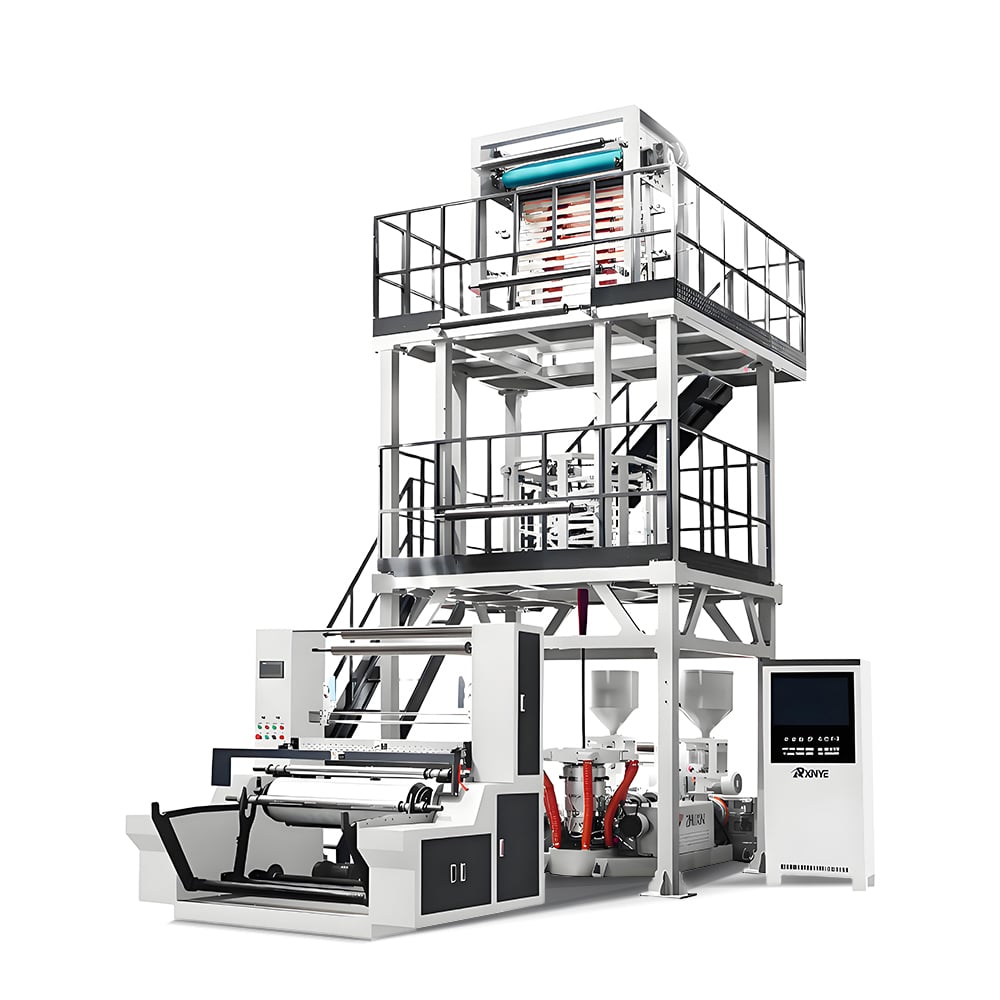
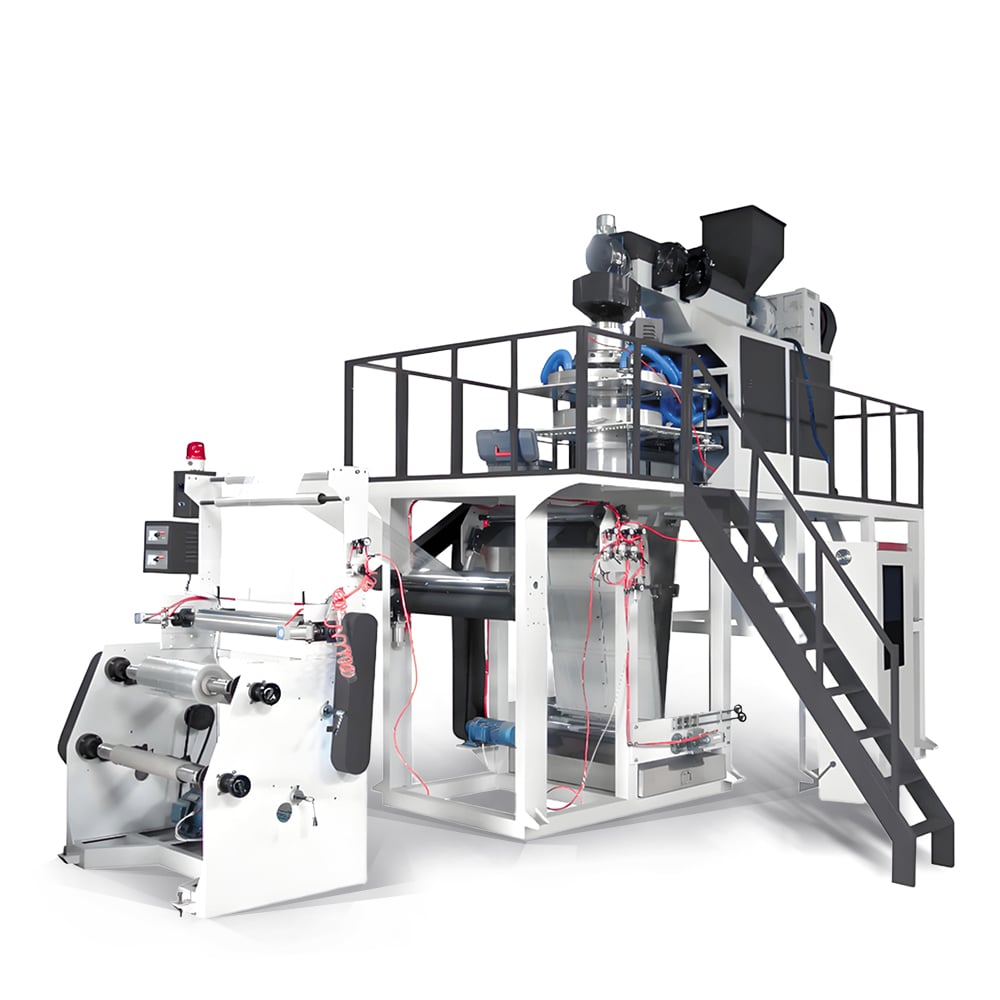
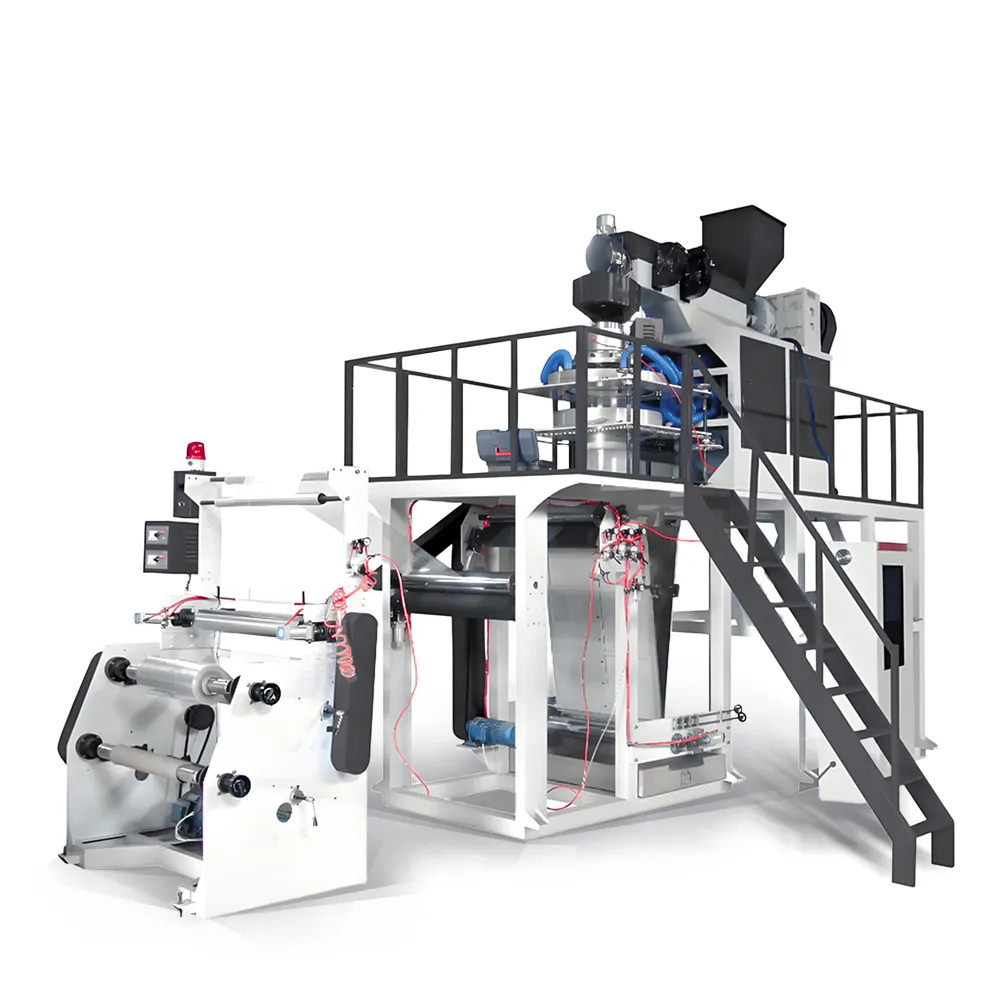
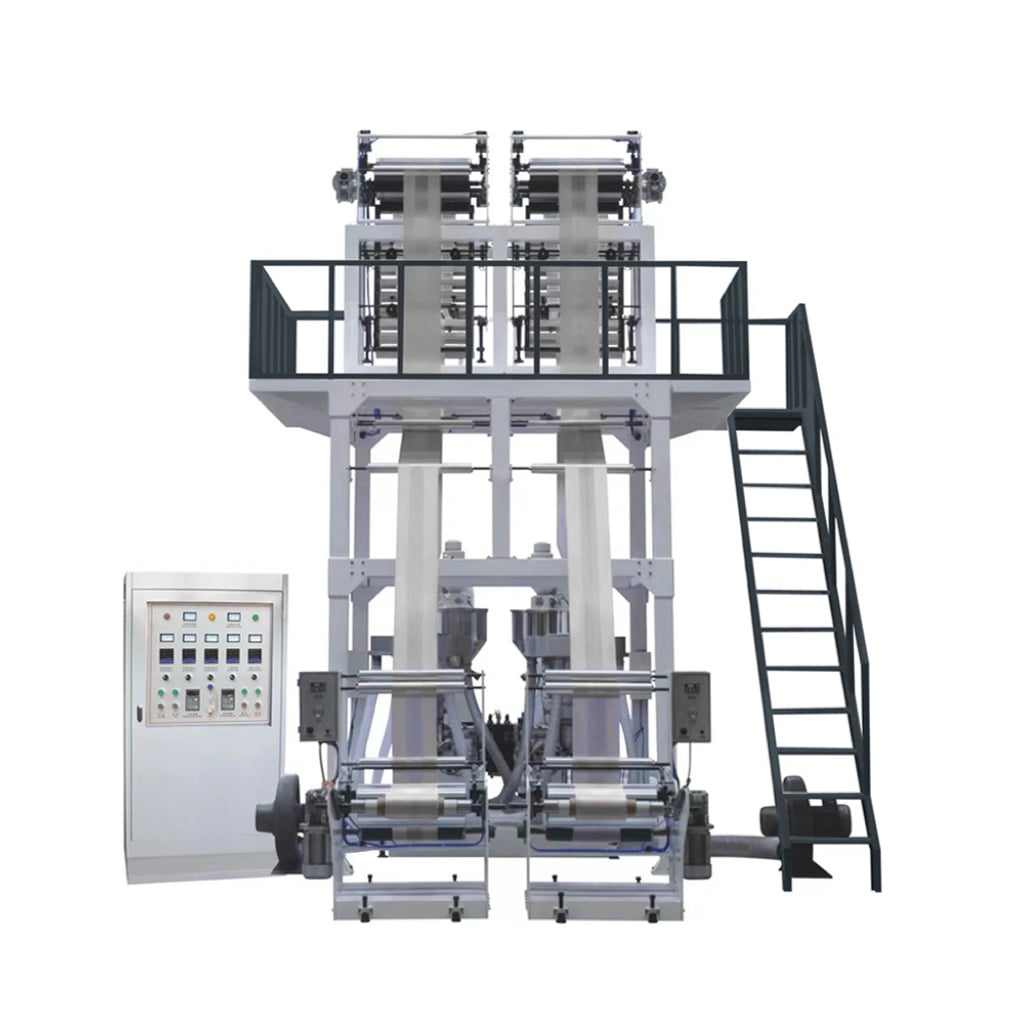
Polyethylene film extrusion represents a fundamental manufacturing process that transforms raw polyethylene materials into flexible, durable films suitable for diverse industrial and commercial applications. This advanced production method involves heating polyethylene resin to its melting point, forcing the molten material through specially designed dies, and cooling the resulting film to achieve desired thickness and properties.
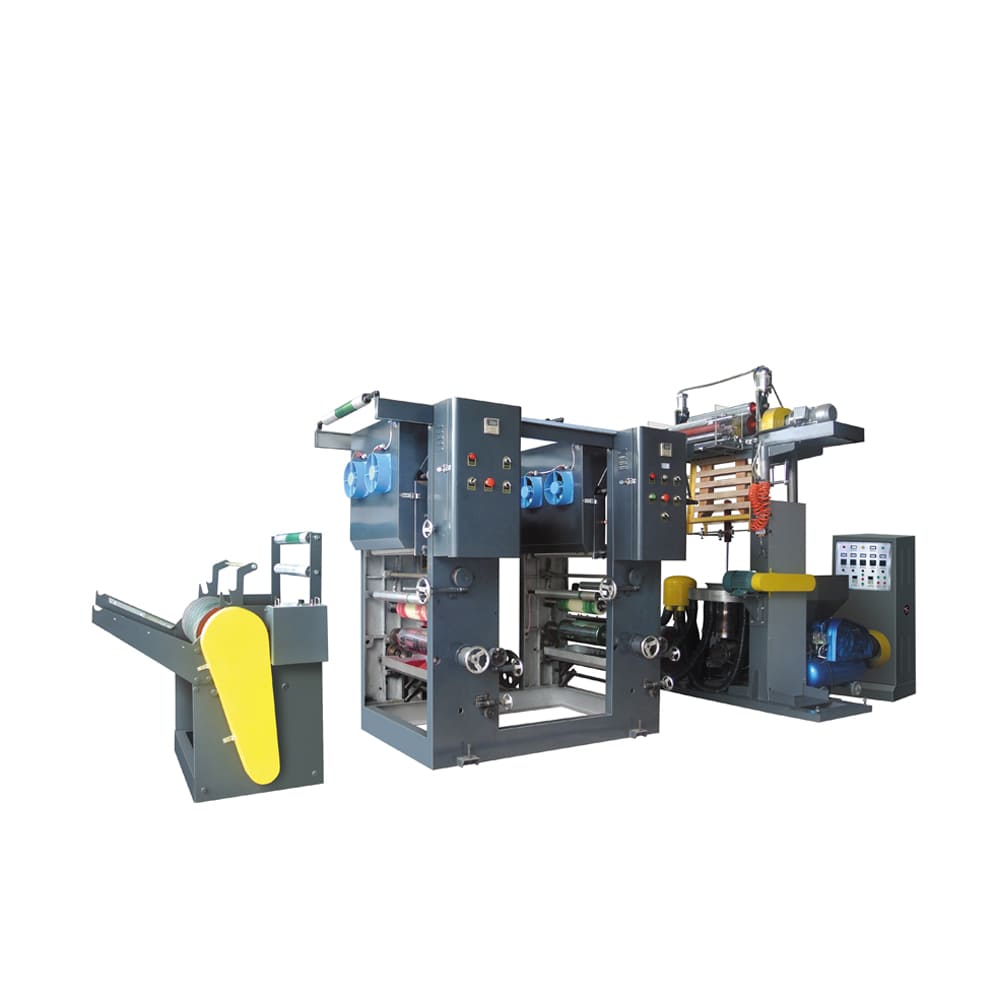
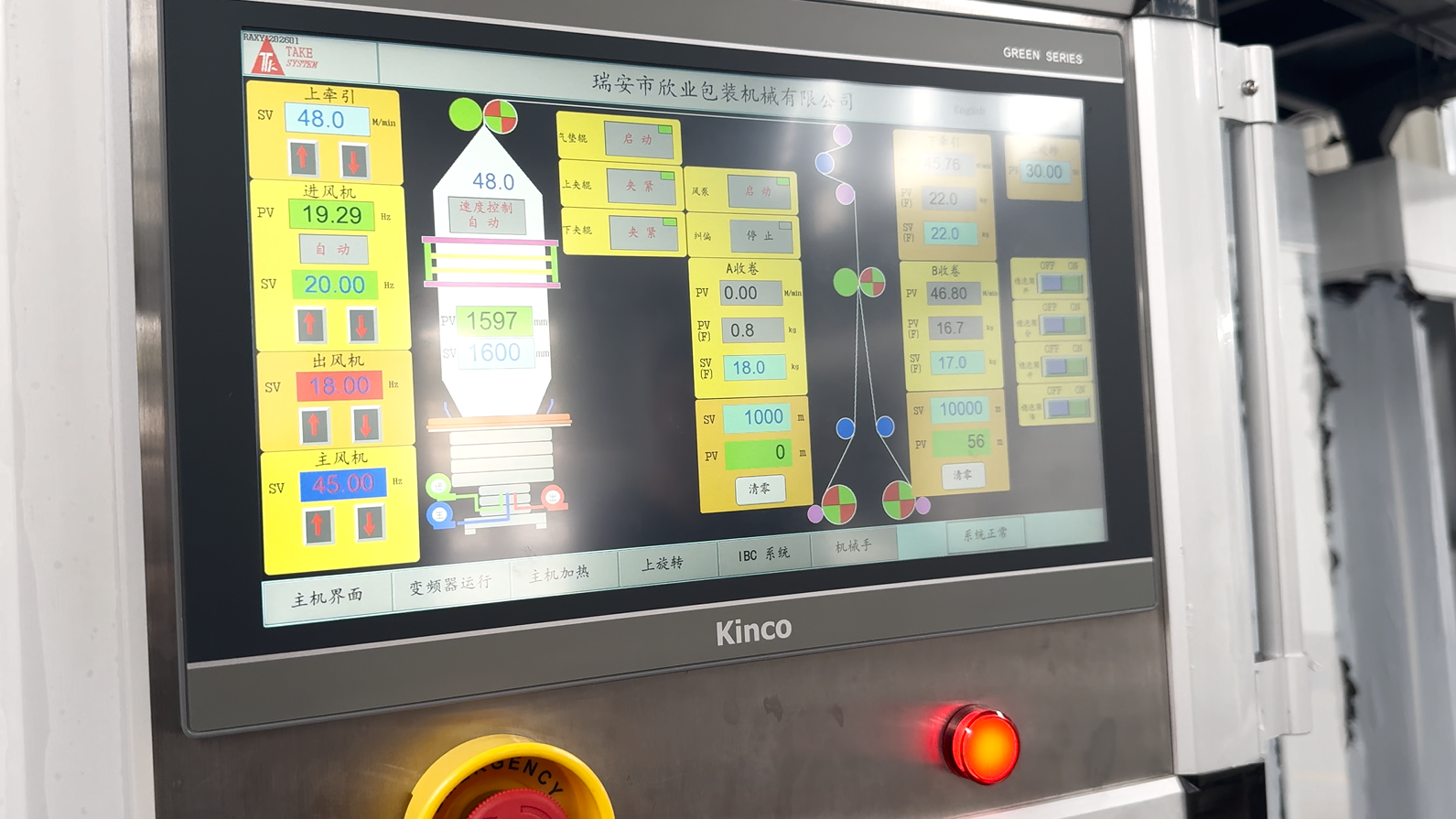
The polyethylene film extrusion process creates films ranging from ultra-thin protective layers to robust packaging materials. The technology enables manufacturers to control film characteristics including thickness, width, transparency, and tensile strength with precision. Modern polyethylene film extrusion equipment incorporates temperature regulation systems, speed controls, and quality monitoring mechanisms that ensure consistent output.
Key technological features include multi-layer extrusion capabilities, allowing manufacturers to combine different polyethylene grades within single films for enhanced performance. The process accommodates both linear low-density polyethylene (LLDPE) and high-density polyethylene (HDPE) formulations, enabling customization for specific end-use requirements.
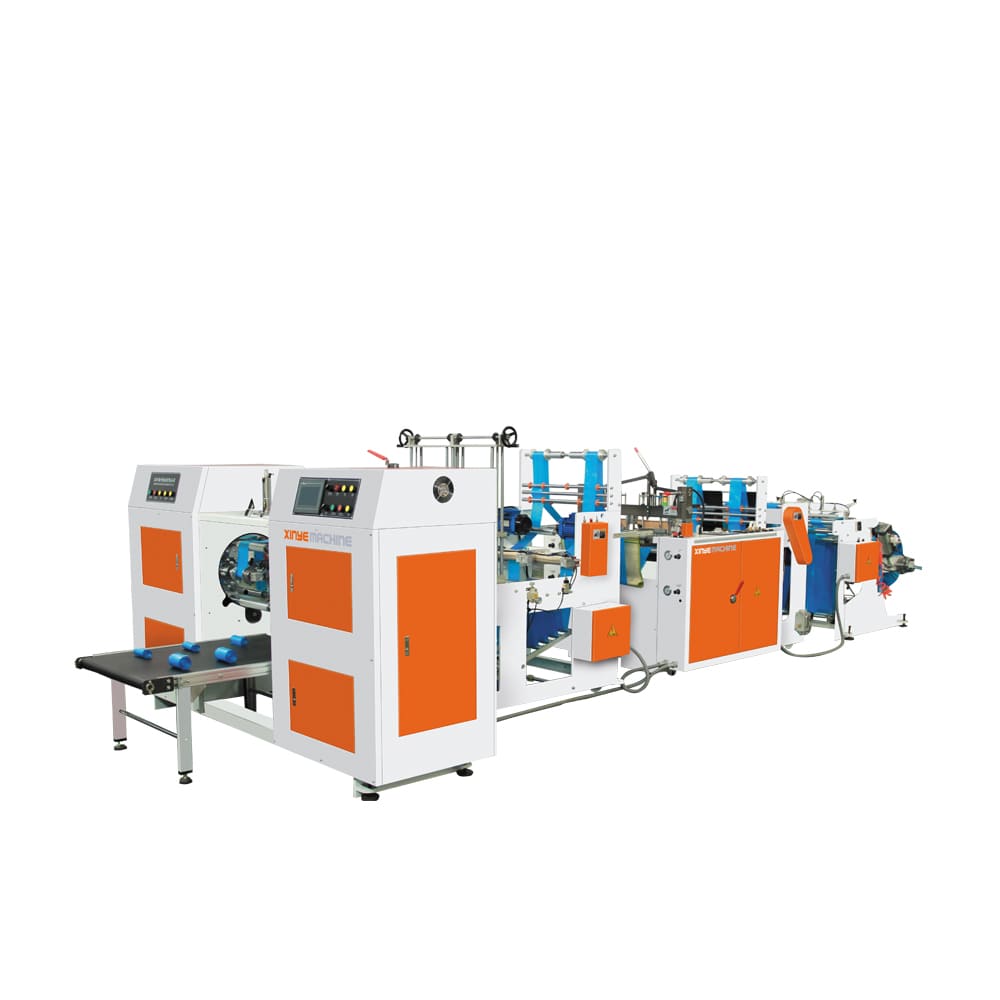
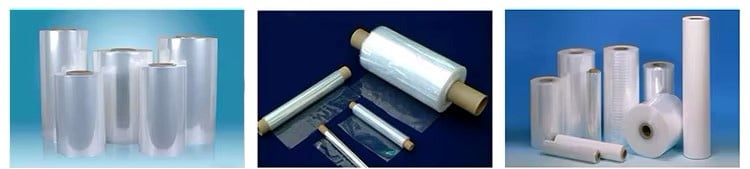
Applications of polyethylene film extrusion span packaging, agriculture, construction, and consumer goods sectors. Agricultural films protect crops and soil, packaging films preserve product freshness, and construction films provide moisture barriers. The versatility of polyethylene film extrusion makes it indispensable across manufacturing industries, supporting economic efficiency and product protection worldwide. Modern extrusion technologies continue advancing, delivering superior film quality while reducing production waste and energy consumption.


 EN
EN