

 EN
EN

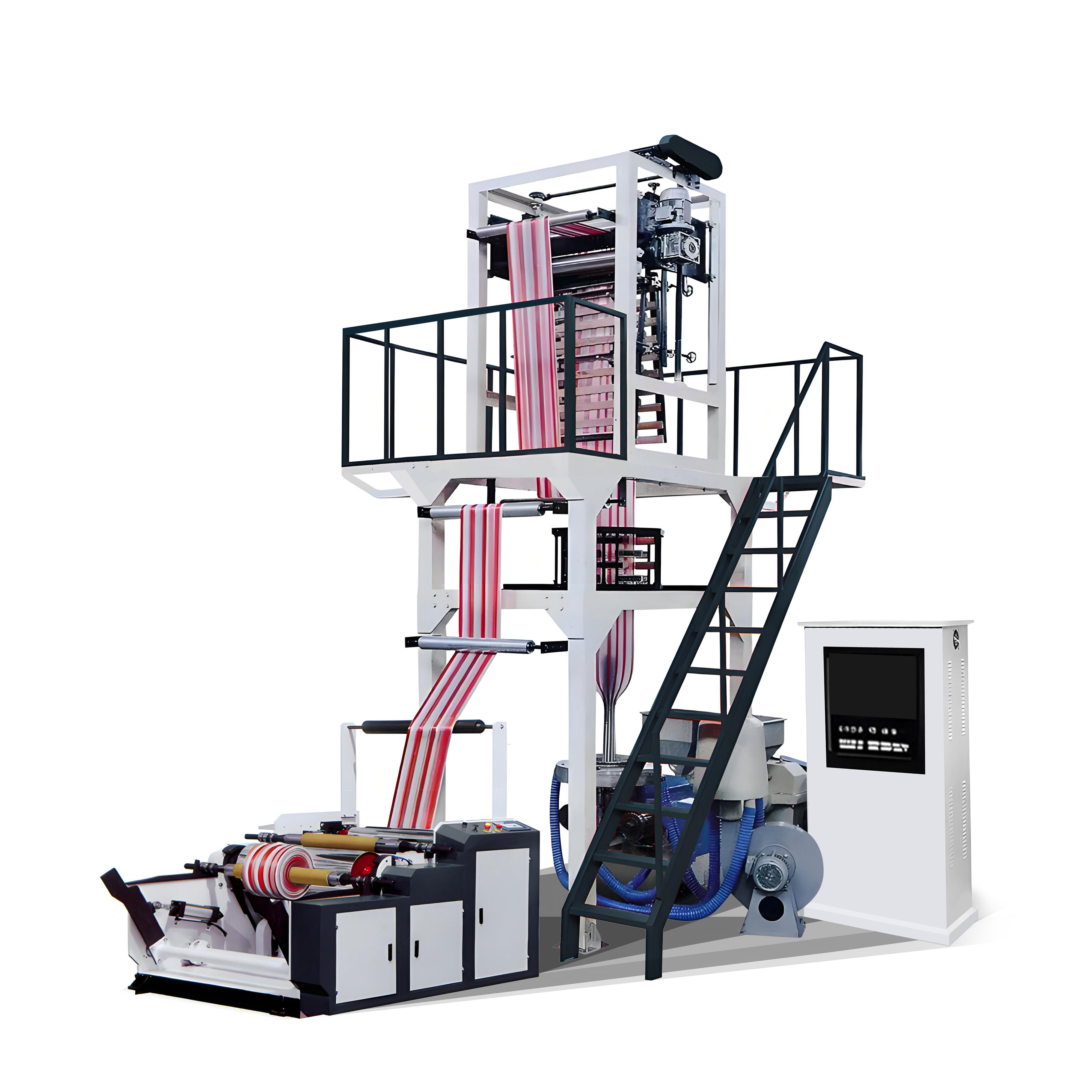
Food Packaging Innovations Enabled by Film Blowing Machine
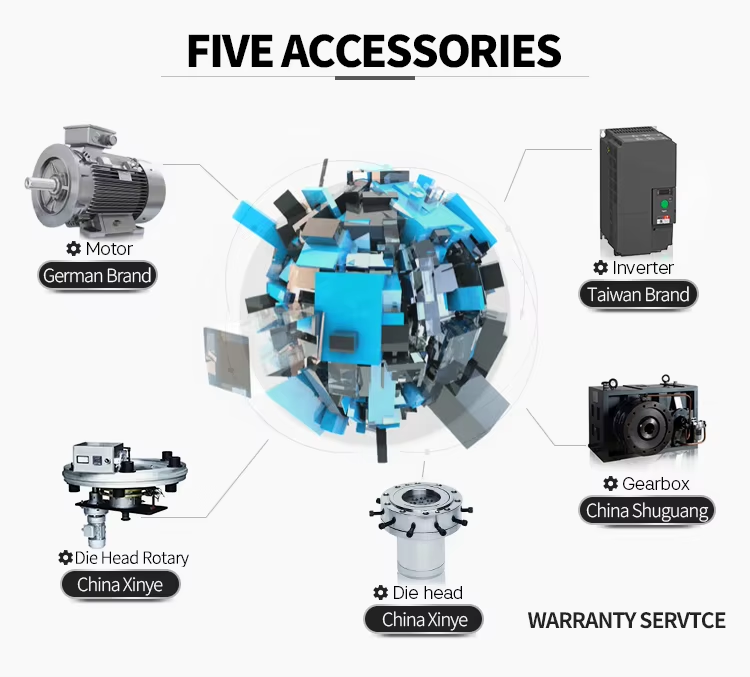
How Film Blowing Machine Enables High-Performance Food Wrap Films
Today's film blowing machines create food wrap films that really stand out when it comes to keeping things fresh. They offer great protection against moisture and oxygen while maintaining good transparency and durability. What makes these systems special is their ability to maintain consistent thickness throughout the production run, which means manufacturers get materials that actually work as intended to preserve food quality longer. Most modern setups can handle various FDA approved plastic formulas too, so companies don't have to worry about meeting those strict safety standards when wrapping products meant for direct consumption.
Multi-Layer Co-Extrusion Systems Enhance Barrier Properties in Food Packaging
Multi layer co extrusion systems make use of blown film tech to blend several different plastics into one film structure, which boosts how well the package works for its intended purpose. These films typically have between three and five layers that give them specific advantages like blocking out oxygen, keeping moisture away, and creating solid seals that hold up over time. The whole point of this layered design is to create packaging that fits what different foods need. Fresh fruits and veggies require something totally different from snack items that get ruined when exposed to air. Food manufacturers can now get packages that protect products during shipping while still being flexible enough to handle on store shelves and durable enough to survive the entire journey from factory to consumer.
Shrink Wrap and Stretch Wrap: Flexible Packaging Solutions for Frozen and Ready-to-Eat Meals
The blown film extrusion process creates those shrink and stretch wrap films we see so much on frozen food packages and ready meals. What makes these films special is their ability to hold up even when things get cold during shipping, storing, and sitting on store shelves. They don't tear easily and form strong seals that keep contents safe. Food manufacturers love how they can tweak film characteristics to fit different product shapes and sizes without compromising protection against dreaded freezer burn that ruins texture and taste. Industry data shows something pretty impressive too: good quality flexible packaging actually keeps frozen goods fresh longer maybe around 30% extra time compared to traditional boxes and containers. Plus it uses far less plastic overall, which saves money and looks better on sustainability reports.
Agricultural Advancements Through Specialized Blown Films
Greenhouse Films with UV Protection from Advanced Film Blowing Machines
Blown film extrusion technology now makes it possible to create greenhouse films that come with built-in UV protection through multi-layer co-extrusion techniques that incorporate special additives right into the material. The resulting films block damaging UV rays while still letting in just the right amount of light for plants to thrive. Studies conducted across several regions indicate these films can actually stretch the growing season by as much as two months in areas with moderate weather conditions, plus help protect crops during sudden temperature changes that often stress plants. Manufacturers carefully control film thickness between about 80 to 200 microns to strike the best possible balance between allowing sufficient light penetration (around 85% to 92%) and maintaining structural strength. This careful engineering creates consistent microclimates inside greenhouses, making it feasible to grow premium crops throughout all seasons without relying on expensive supplemental heating or cooling systems.
Mulch Films and Bale Wraps: Improving Soil Efficiency and Forage Preservation
Mulch films made through precision blowing techniques boost soil efficiency quite a bit actually. They cut down on water loss from evaporation maybe around half, stop weeds from growing so much, and keep the temperature stable where roots grow. Some of these multi layer films now come with biodegradable parts or have built in timelines for when they break down, which helps tackle those environmental worries while still performing well enough for farmers. When it comes to preserving forage crops, the best bale wrap options form pretty good barriers against oxygen getting in. This means less than 5% of the dry matter gets lost over time compared to what happens with regular silage that isn't covered at all, where losses range somewhere between 15% and 30%. The result? Better preserved feed nutrients and far less spoilage overall, making life easier for people running livestock farms day to day.
Long-Term Impact of Agricultural Films on Crop Yield and Resource Conservation
Farmers who regularly use good quality greenhouse and mulch films often see their crop yields jump anywhere between 20 to 50 percent while cutting down water usage by about 30 to 40 percent thanks to better soil moisture retention. The UV stabilized versions typically stick around for three to five years before needing replacement, which means fewer trips to replace them and less plastic ending up in landfills. These films work as actual barriers too, so many growers find they need fewer pesticides and weed killers in their fields. All these advantages make it easier to farm sustainably, help put more food on tables, and ultimately improve bottom lines as farms produce more without spending as much on inputs month after month.
Industrial and Construction Uses of Durable Polymer Films from Blown Film Processes
Heavy-Duty Bags and Liners Produced via Industrial Blown Film Extrusion
Blown film extrusion in industrial settings creates tough packaging materials that include things like drum liners for chemicals, heavy duty containment bags, and those thick plastic barriers seen at construction sites. The main advantage? These films stand up well to moisture getting through, keep out contaminants, and survive rough handling when stored or transported. Thickness varies quite a bit too, usually between about 80 and 250 microns which gives them just the right balance of strength without being unnecessarily heavy. What makes this method special is how it forms seamless tubes rather than flat sheets. This means there are far fewer weak points where things might tear, and generally speaking, these films resist punctures much better than what comes out of other production processes used in the industry today.
Specialized Polymer Films for Harsh Environments: Strength and Chemical Resistance
For those working in really harsh environments, films made from special polymer mixes stand up against all sorts of nasties like solvents, acids, and alkalis. These materials have become pretty much indispensable when it comes to containing industrial stuff safely. The newer versions can handle tensile strength well over 30 MPa but still stay flexible enough not to crack under stress. What makes these films so good is something called multi-layer co-extrusion. Basically, this process lets manufacturers pack multiple protective features into one piece of material. We're talking about things like resistance to chemicals, protection from UV rays, and excellent barrier properties all rolled into a single product. This means operators can rely on these films even when faced with some seriously tough operating conditions day after day.
Balancing Environmental Impact and Functional Necessity in Industrial Film Applications
More companies making industrial films are turning green these days without sacrificing quality. A lot of them have started using between 30 and 50 percent recycled materials from their own manufacturing processes while still keeping products strong enough for tough jobs. The industry has also seen thinner films perform better than ever before, cutting down on raw materials needed. Plus, newer machines for blowing film are getting much more efficient, which helps everyone involved. According to last year's Industrial Materials Report, manufacturers continue working hard to make their operations friendlier to the planet without letting go of those strict performance requirements that construction sites and factories demand day after day.
Film Blowing Machine Innovations Driving Multi-Sector Efficiency
Advancements in Blown Film Extrusion Technology Across Industries
The latest improvements to film blowing machines now feature AI controlled processes and Industry 4.0 compatibility, which helps boost both efficiency and product consistency on the factory floor. Modern equipment comes packed with useful features such as automatic thickness adjustment systems, precise weight measurement technology, and built-in recycling capabilities that cut down on material waste and save energy costs at the same time they speed things up. With modular screw barrel setups becoming standard these days, manufacturers can handle all sorts of different plastics including eco friendly biodegradables and advanced performance materials. This flexibility meets changing demands from sectors ranging from packaging for fresh produce to specialized applications in agriculture and heavy industry where material properties matter most.
Customizable Configurations Matching Sector-Specific Needs in Food, Agriculture, and Industry
Modern film blowing equipment comes with all sorts of adjustable features that let manufacturers tailor their products exactly what different markets need. The people running these machines have control over things like how many layers go into each film, how thick it needs to be in certain areas, and how fast material gets pushed through during production. Take food packaging for instance – some companies want films that stop oxygen from getting in to keep perishables fresh longer. Others might need covers that stand up against harsh sunlight on farms, or industrial grade liners that won't break down when exposed to chemicals. All this flexibility means better results for whatever application they're making. As technology continues advancing in this field, we see real improvements happening everywhere from grocery stores to construction sites, where these specialized films help cut waste, save money, and open doors to new possibilities no one thought possible before.
FAQ Section
What is blown film extrusion technology?
Blown film extrusion is a manufacturing process used to create films from plastic by blowing molten plastic into a bubble and then forming it into thin films.
How does blown film extrusion benefit food packaging?
Blown film extrusion allows for the creation of food wrap films that provide excellent protection against moisture and oxygen, thereby preserving food quality longer.
Are agricultural films made using blown film extrusion environmentally friendly?
Yes, many modern agricultural films incorporate biodegradable components or utilize recycled materials, making them more environmentally friendly.
Can blown film extrusion be used for industrial applications?
Yes, blown film extrusion is widely used in industrial applications to produce durable films for heavy-duty bags, liners, and other demanding environments.
How has technology improved film blowing machines?
Recent advancements include AI-controlled processes, Industry 4.0 compatibility, and increased efficiency, resulting in better performance and more sustainable practices.