

 EN
EN

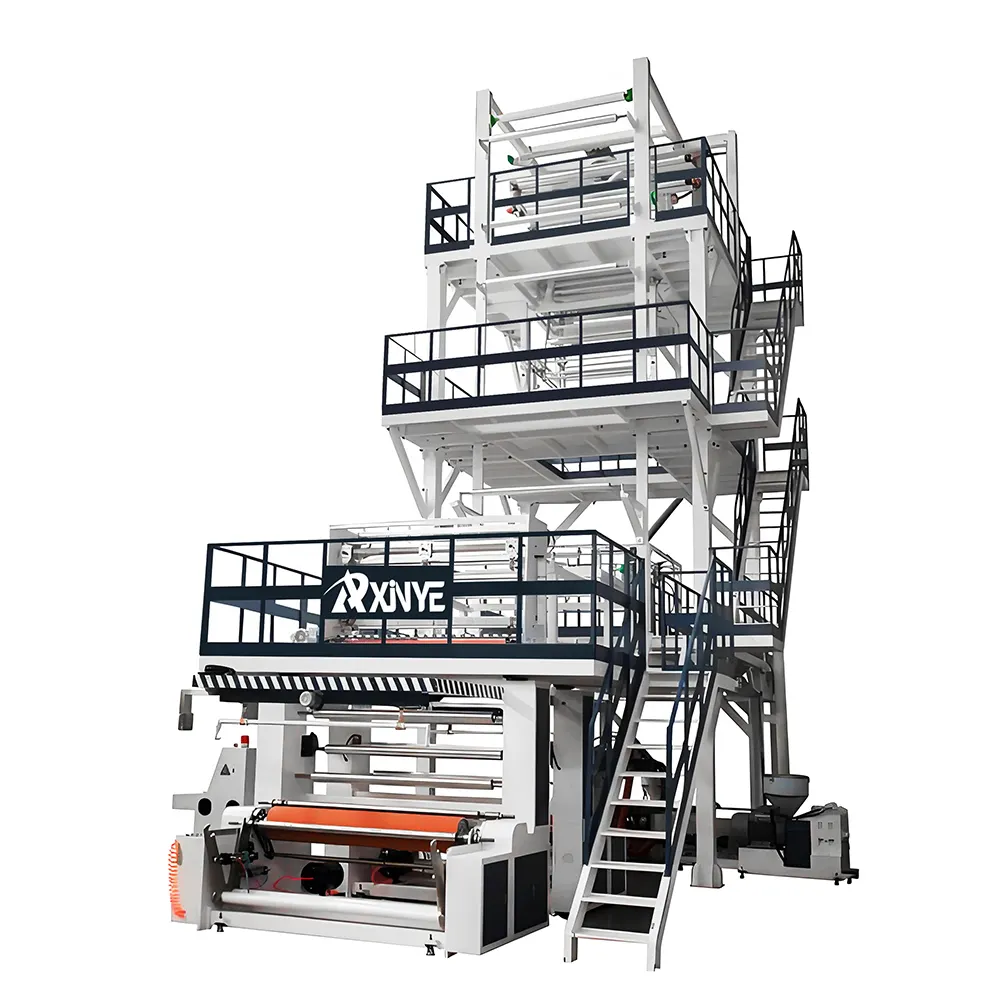
Raw Material Preparation and Resin Selection for Film Blowing Machine
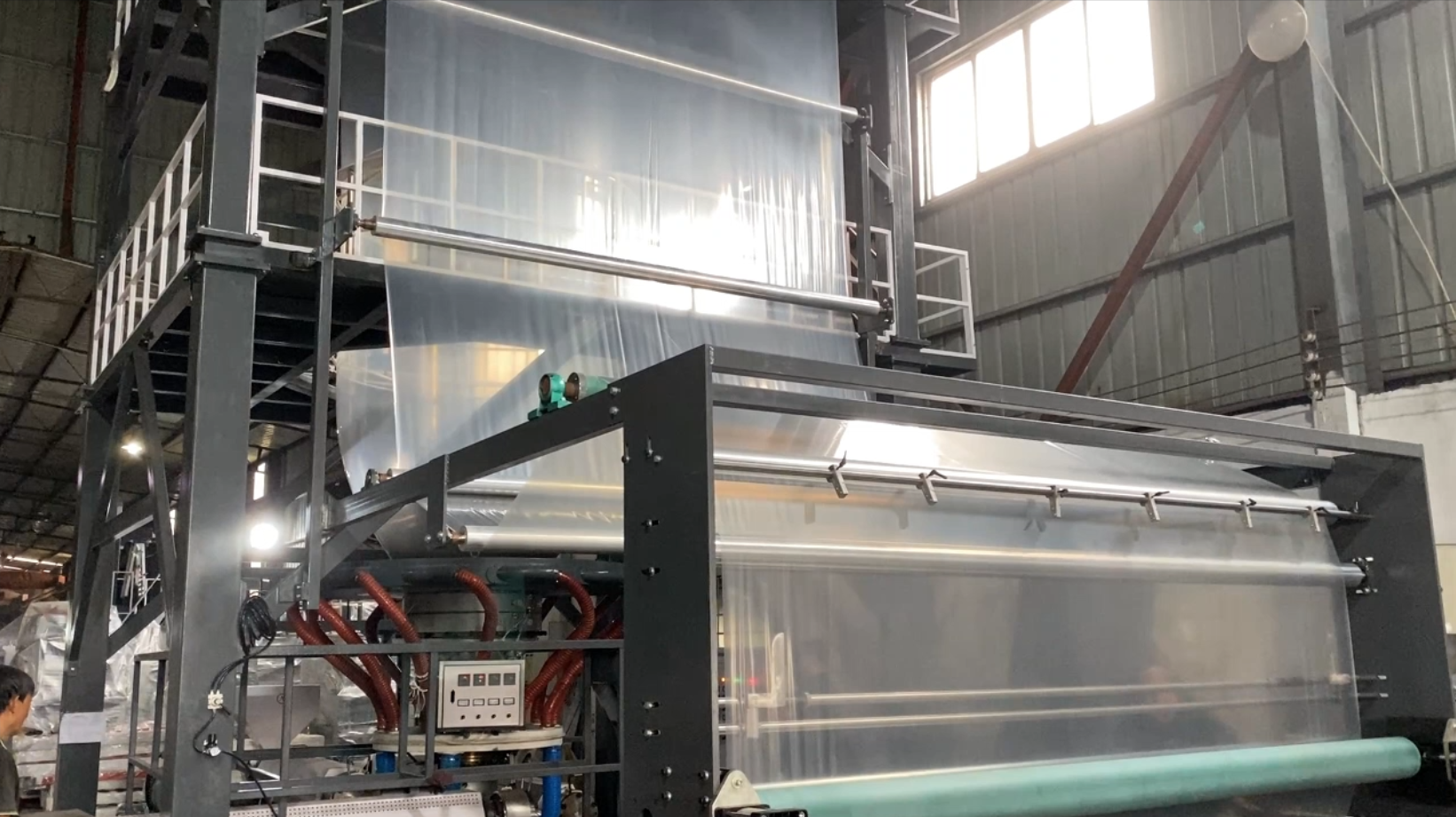
Common polymers used in blown film production: LDPE, LLDPE, and HDPE
Getting good quality blown film starts with picking the right polymer resins for the job. Take LDPE for instance it gives great clarity and stays flexible, which is why so many companies use it for wrapping food products and making those plastic covers for greenhouses. Then there's LLDPE, which stands out because it can handle stretching better and won't tear as easily when something sharp goes through it. HDPE on the other hand makes films that are stiff and keep moisture out really well. These different resins each have their own special traits that make them better suited for certain jobs than others. Some manufacturers might even blend resins together to get just the right balance of properties they need for their particular application.
Matching resin properties to end-use applications
Picking the right resin is really important when thinking about what the finished product needs to do. Heavy duty shipping bags typically go with LLDPE because it just stands up better to rough handling and tearing than other options. When it comes to food packaging though, most companies stick with LDPE since it meets FDA standards and seals properly without leaking. Farmers dealing with plastic films usually mix different resins together so their products can handle sunlight exposure longer while still being strong enough for field work. About 8 out of 10 times, how well a film performs overall depends heavily on which resin was chosen at the start, so getting this part right from day one makes all the difference in whether a product actually works as intended.
Incorporating additives and masterbatches for enhanced functionality
In today's blown film manufacturing, companies rely on sophisticated additive technologies to boost the performance characteristics of basic resins. Anti-block agents stop film layers from clumping during storage or shipping, something that can really mess up inventory management. Slip additives work differently by cutting down on surface friction so machines run smoother during processing. For products used outside, UV stabilizers are crucial since they stop the material from breaking down when exposed to sunlight. Medical grade packaging often includes antimicrobial additives that help keep contents fresh longer. Most producers use masterbatch systems these days because they make it possible to mix in all these special additives consistently across the entire film thickness. The way these components come together lets manufacturers produce films tailored specifically for tough applications without sacrificing speed on the production line.
The Film Blowing Machine Process: Extrusion, Bubble Formation, and Inflation
Plastic Pellet Feeding and Melting in the Extruder
In the film blowing process, it all starts when those little plastic pellets get poured into what's called an extruder hopper. Most often we're talking about LDPE or LLDPE materials here. As they move along through the barrel section, heat from various elements combined with the mechanical action inside actually melts these pellets down until they become this smooth, consistent liquid-like substance. Getting this melting right is really important because if things aren't mixed properly throughout, problems tend to show up later on. We've seen issues like gels forming or areas where the film ends up too thin in some spots and way too thick elsewhere.
Die Design and Uniform Film Bubble Formation
When the polymer becomes molten, it gets pushed through what's called a circular die that has been carefully designed to shape it into a long tube. Inside this die, things like how even the gaps are and how long the land section is really affect whether the final product has consistent thickness and stable bubbles during production. The moment this molten material comes out of the die, we start seeing what's known as the "bubble" form. This bubble basically sets the stage for all the important characteristics of the finished film. Getting the die right matters a lot because it helps maintain balanced flow throughout the process while reducing problems such as visible die lines or when the material breaks apart unexpectedly under stress.
Air Pressure Control and Axial Orientation During Inflation
During blown film extrusion, air gets pumped into the middle of the die which inflates the molten plastic into what we call a bubble - this is probably one of those key moments in the whole process. Getting the right amount of air pressure matters a lot because it controls how big the bubble grows and keeps the thickness consistent across the material. When this happens, something interesting takes place called biaxial orientation where the film stretches out in two directions at once, making it stronger against tears and better able to handle tension forces. Manufacturers who manage their air pressure properly often see around a 15% drop in thickness variations, which means better quality films for things like grocery bags or greenhouse covers in farming operations.
Cooling, Solidification, and Film Gauge Control in Blown Film Extrusion
Ring cooling systems and heat dissipation techniques
Cooling plays a vital role during blown film extrusion processes. Ring cooling systems work by directing controlled airflows around the bubble to help it solidify evenly throughout. The main job here is getting rid of excess heat from the melted polymer quickly enough so we don't end up with defects that ruin the final product's quality. Some newer cooling rings feature what's called dual-lip airflow tech which helps maximize how fast heat leaves the material, keeping things cool at the same rate all around the bubble's edge. When manufacturers get heat dissipation right, they actually see better mechanical strength in their films plus improved dimensional stability too. That's why investing time into good cooling system design isn't just nice to have but absolutely necessary if companies want to run efficient production lines without constant quality issues popping up.
Maintaining bubble stability at high output speeds
Keeping bubbles stable gets really tough when production speeds crank up because even small wobbles can lead to all sorts of problems or forced shutdowns. Most modern production lines now have these stabilization setups that mix controlled internal air pressure with those outside guide frames to keep the bubble shape from going wonky. At high speeds, everything needs to work together just right the extruder's output has to match up with how fast things cool down and how quickly they're pulled away to stop those annoying flutters or complete collapses. When running past 200 feet per minute, most plants rely on smart control systems that tweak themselves on the fly based on what's happening around them and whatever materials are actually being used that day.
Achieving consistent film thickness through process optimization
Getting consistent film thickness remains one of the most important quality checks in blown film manufacturing, something that requires careful tuning of the entire production process. Modern gauge control systems keep an eye on thickness levels through either beta-ray technology or infrared sensors, making automatic adjustments to things like die gaps, air pressure settings, and how fast the cooling happens. When manufacturers get right the balance between melt temperature, screw rotation speed, and the blow-up ratio, they can hold tolerances around plus or minus 3 percent, which is pretty impressive when working with tough materials such as high density polyethylene (HDPE) and polypropylene (PP). The tighter control means less wasted material overall, probably cutting down on scrap by about 15% in many cases. And let's face it, meeting those strict quality requirements matters a lot for packaging products where consistency makes all the difference.
Flattening, Winding, and Final Output: Transforming Film into Transportable Rolls
The final stage of blown film production transforms the cooled film bubble into market-ready rolls through precise mechanical handling. This phase ensures the film retains its quality while becoming transportable for downstream use.
Collapsing the film bubble and nip roll handling
Once the material cools down and becomes solid, the cylindrical film bubble moves into what we call a collapsing frame setup. This frame works like a gentle guide, helping transform the round shape into something flat for easier handling later on. Getting the tension right during this process matters a lot because too much can create unwanted wrinkles or distortions in the final product. At the top of this frame, there are these special nip rollers that press down just enough to completely flatten out the bubble without messing with its thickness consistency across the whole width. When everything lines up properly, it stops those pesky edge issues from happening and keeps things looking nice and flat all the way through until the winding stage happens next.
Precision winding systems for defect-free roll formation
Today's production lines feature advanced winding equipment capable of managing both torque and tension throughout the process. The machines constantly check how thick the film is getting and tweak settings to prevent problems like telescoping rolls, those star-shaped cracks, or when the middle part gets too soft. Getting the right balance between the nip rollers moving speed and the actual winding action matters a lot. If there's too much tension applied, the film might get stretched out permanently. Not enough tension leads to rolls that just fall apart easily. Some of the better systems now come with automatic transfer features so operators don't have to stop everything when switching rolls. This means factories can keep running without interruptions, which makes sense for anyone trying to maximize output without wasting time on downtime.
Addressing common winding challenges in high-speed production
High-speed blown film production introduces several winding challenges requiring targeted solutions:
- Static electricity buildup: Can cause improper layer adhesion or contamination attraction
- Air entrapment: Leads to soft rolls that deform during transport and storage
- Tension variations: Cause uneven roll density across the web width
These issues are managed through controlled ambient conditions, anti-static systems, and precision tension control devices. Regular maintenance and calibration of winding components are essential for sustaining roll quality in high-volume environments.
FAQ
What are the benefits of blending different resins in blown film production?
Blending resins like LDPE, LLDPE, and HDPE can help manufacturers achieve a desired balance of characteristics such as clarity, strength, stretchability, and moisture resistance, leading to optimized performance for specific applications.
Why is air pressure control crucial in film extrusion?
Controlling air pressure during extrusion helps maintain bubble size and ensures consistent film thickness, which enhances product quality by improving tear resistance and minimizing thickness variations.
What role do additives and masterbatches play in film manufacturing?
Additives like anti-block agents, slip agents, UV stabilizers, and antimicrobial elements enhance specific film properties like friction reduction, sunlight resistance, and bacterial growth prevention, allowing for tailored solutions to unique industry needs.
How is consistent film thickness maintained in blown film extrusion?
Consistent film thickness is achieved through process optimization, including control systems that adjust die gaps, air pressure, and cooling rates, often improving material utilization and reducing waste.
Table of Contents
- Raw Material Preparation and Resin Selection for Film Blowing Machine
- The Film Blowing Machine Process: Extrusion, Bubble Formation, and Inflation
- Cooling, Solidification, and Film Gauge Control in Blown Film Extrusion
- Flattening, Winding, and Final Output: Transforming Film into Transportable Rolls
- FAQ