

 EN
EN

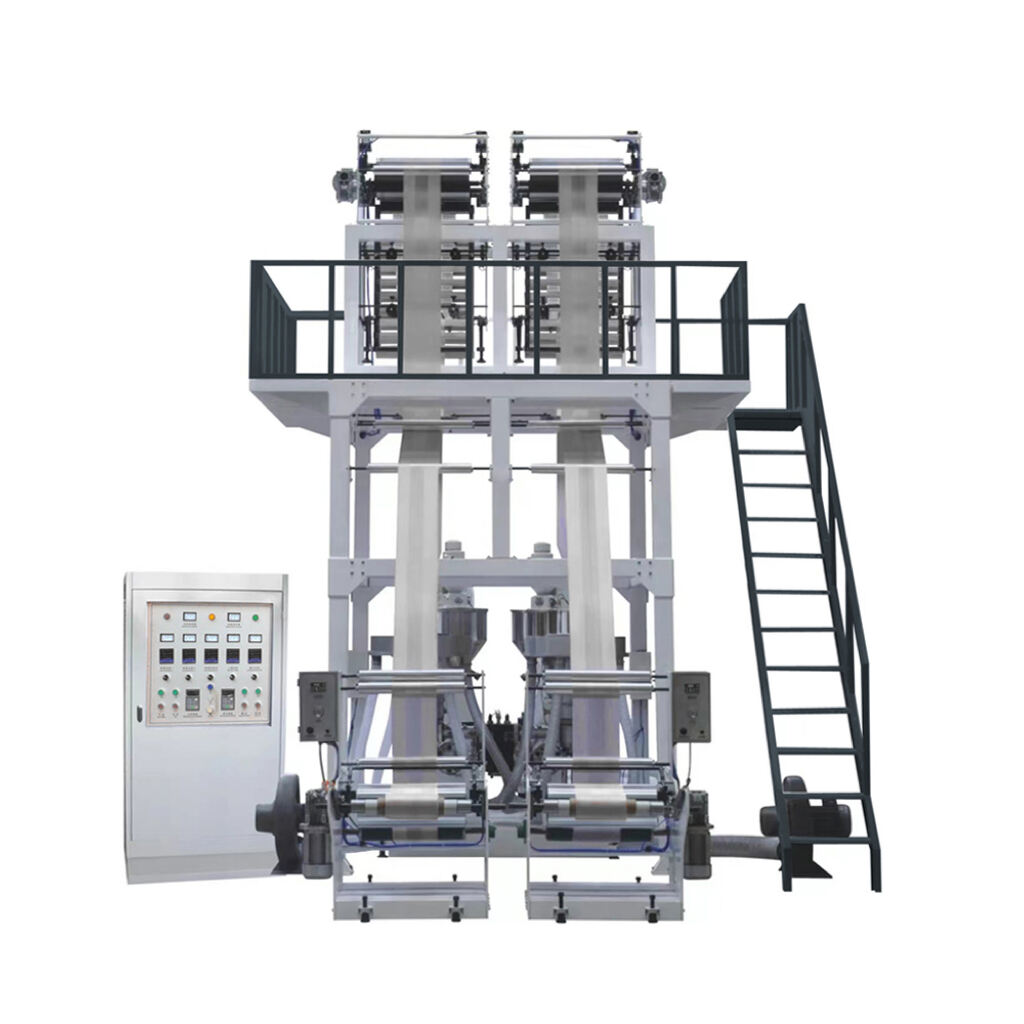
Understanding Energy Consumption in Film Blowing Machine Operations
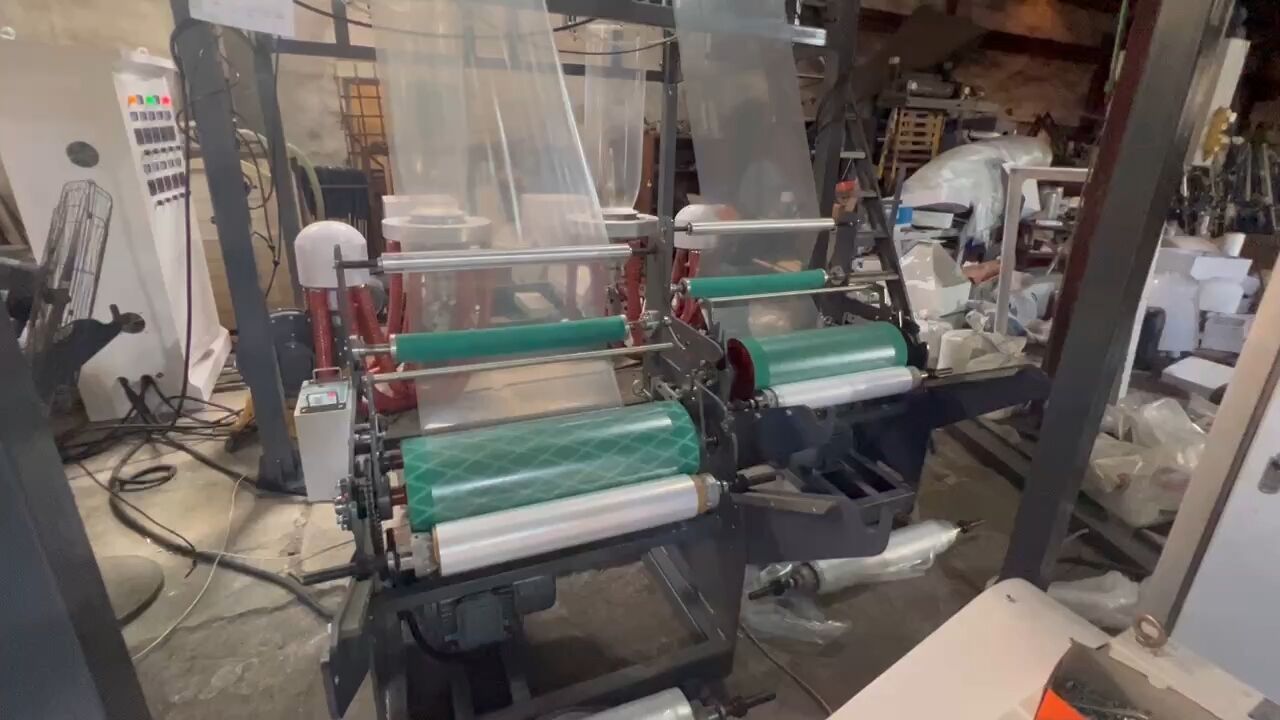
The Impact of Rising Energy Costs on Blown Film Production
The rising cost of energy is hitting operational budgets hard in blown film production, especially since those big film blowing machines swallow around 60 to 70 percent of all the energy used in making plastic films. And when we look at the bigger picture, energy expenses often take up close to 40% of what it costs to produce these materials. That's putting serious strain on company finances as power bills keep climbing worldwide. For plant managers trying to stay profitable, getting better at using energy efficiently isn't just nice to have anymore it's practically essential for staying competitive in this market. Many manufacturers are now investing in newer equipment and process improvements that cut down on wasted energy without sacrificing production volumes they still need to meet customer demands after all.
Specific Energy Consumption (SEC) Metrics in Film Blowing Machines
The Specific Energy Consumption or SEC, which is basically how much electricity gets used per kilogram of product made, serves as the go to measure when looking at energy efficiency in film blowing equipment. Newer machines generally run somewhere between 0.25 to 0.45 kWh per kg, though this can vary quite a bit based on what materials are being processed and the specific operating parameters. Older equipment tends to guzzle power, sometimes reaching as high as 0.8 kWh per kg. Keeping an eye on these SEC figures lets plant managers compare different machines side by side and spot problems before they become big headaches. Regular monitoring also makes it easier to schedule maintenance work and fine tune operations so that everything keeps running smoothly without wasting unnecessary amounts of energy.
Benchmarking Energy Performance Across Film Blowing Machine Models
The energy performance of film blowing machines can differ quite a bit between different models. Modern machines that are designed with energy efficiency in mind typically consume around 30 to 50 percent less power compared to what was standard before 2015. What makes these newer models so much better? Well, they come equipped with things like improved motor systems, better temperature controls, and smart automation features that just weren't available back then. For companies thinking about upgrading their equipment, it really pays off to look at several key metrics when making comparisons. Things like specific energy consumption rates, how efficiently the power factors work, and how the machines perform under partial loads all matter a lot. Looking at these numbers helps figure out if an investment will actually save money in the long run and gives manufacturers solid information to base their equipment purchases or retrofit decisions on.
Advanced Motor Technology for Energy-Efficient Extrusion
How Variable Frequency Drives Reduce Energy Use in Film Blowing Machines
VFDs, or variable frequency drives, help save energy because they let operators control motor speeds exactly what the production line actually needs at any given moment. Fixed speed motors just keep running at full RPM all the time, while VFDs can change their output as conditions change. This means less wasted energy when machines are starting up, going through slow periods, or sitting idle waiting for material. The numbers tell the story too these systems typically cut down on motor power consumption somewhere between 25% to 35%. For anyone working with extrusion equipment, installing VFDs has become almost standard practice now across most manufacturing facilities looking to cut costs and meet sustainability goals.
Servo-Driven Extruder Designs and Their Energy-Saving Benefits
When it comes to energy savings, servo driven extruders really stand out against older hydraulic or mechanical systems. The way they work is pretty straightforward actually the motor sends power directly to the screw with exact control over how much force gets applied. This setup cuts out all those energy losses that happen in gearboxes and fluid systems which just waste power. What makes these motors even better is their ability to stay efficient no matter what kind of load they're dealing with. Plus, they don't suck up electricity when sitting idle like some other systems do, and they run cooler too. Manufacturers report seeing around 40 to 50 percent less energy used for driving operations alone. This means big savings on utility bills and machines that last longer since there's less stress on components from overheating issues.
Upgrading Existing Lines: Real-World Energy Gains in Polymer Processing
Upgrading old film blowing lines with newer motor tech brings real improvements in both energy consumption and how well these machines run day to day. When manufacturers swap out those ancient drive systems for something like AC vector or servo motors, they often see their overall power usage drop around 30% to maybe even 35%. And guess what? The end products still look just as good as before. Most companies find that this kind of retrofit pays itself back pretty quickly too, usually somewhere between a year and two years because of all the money saved on electric bills plus better machine performance. But there's more to it than just saving on energy costs. These modern drive systems actually give operators much finer control over the whole process, which means less wear and tear on parts and components. Equipment lasts longer when maintained properly with these upgrades, so many plant managers consider this investment among the smartest moves they can make if they want to run operations sustainably while keeping costs under control.
Precision Thermal Management to Optimize Melt Temperature Control
Risks of Overheating in Standard Film Blowing Machine Systems
When conventional film blowing systems run too hot, it really affects both the quality of what gets produced and how much energy gets used. The melt temps just keep climbing past safe levels, which breaks down the polymers and creates films that are weak spots here and there with uneven thickness throughout. Research indicates that when temps swing more than plus or minus 2 degrees Celsius, defects jump as high as 30 percent, meaning more scrap ends up getting tossed out along with wasted materials. And let's not forget about those cooling systems working overtime because of all this extra heat, pushing energy consumption up between 15 to 25 percent. Not surprisingly, components tend to wear out faster too from all this constant heating and cooling cycle stuff, so maintenance becomes something plant managers have to deal with more often than they'd like, and naturally that drives up repair bills.
Achieving Thermal Stability for Consistent, Efficient Extrusion
Getting thermal stability right means having those multi zone barrel heaters with PID control systems doing their thing, keeping temperatures within just half a degree Celsius either way. The system has these built in thermocouples that give constant updates on what's happening inside, so when things start drifting off track, adjustments can happen pretty much instantly. When melt temps stay stable, the material flows consistently without getting too thick or thin, which makes for better quality films overall and cuts down on all that wasted material from having to fix problems later. Looking at it from another angle, this level of control actually saves money on energy costs too. Those fancy controls cut out a lot of the wasted heating and cooling that happens with simpler systems, saving somewhere around 18 to 22 percent in electricity bills according to industry tests.
Balancing Rapid Cooling with Energy Efficiency in Blown Film Lines
Getting good cooling means finding that sweet spot between how fast things cool down and how much electricity gets used. These days, many plants are installing variable speed fans along with carefully adjusted air rings around the cooling area to keep everything at an even temperature without guzzling power. Certain newer models actually cut down on energy requirements for cooling by somewhere around 30 to 40 percent when compared to older equipment. Insulating those critical cooling areas properly makes a big difference too since it stops unwanted heat from creeping back in, which obviously helps save money on bills. Most experienced manufacturers know they need to hit those target cooling speeds somewhere between 15 and 25 degrees Celsius each minute depending on what kind of material they're working with. When done right, this approach keeps products dimensionally stable and maintains quality standards all while keeping energy costs under control.
Sustainable Design Innovations in Modern Film Blowing Machines
Integrating Energy Efficiency into Blown Film Machine Design
Modern film blowing machines now prioritize energy savings right from the design stage. The latest thermal systems cut down on wasted heat somewhere around 30% compared to older models, and those internal bubble coolers (IBC units) really boost how well heat moves through the process while also giving better film results. Most machines these days come equipped with smart sensors that keep track of power use throughout operation. When something starts using too much electricity, these sensors kick in automatically to switch things back to efficient running conditions. All these improvements combine to slash specific energy consumption numbers without slowing down production speeds. For manufacturers looking at their bottom line and environmental impact, this kind of built-in efficiency has become standard practice rather than just an optional upgrade.
Environmental Compliance and Low-Emission Advantages of New Systems
Today's film blowing machines are making a real difference for the environment by cutting down on emissions and working better with different materials. When companies upgrade their equipment, they typically see around 40% fewer greenhouse gases coming out compared to older models from just a few years back. The machines come equipped with closed loop systems that keep those nasty VOCs from escaping into the air, while special filters grab dust particles right as they form during production. What makes these machines stand out is their ability to process both recycled plastics and plant based alternatives without any issues. Some facilities have successfully incorporated up to half recycled material into their products already. With all these benefits plus significantly reduced power consumption, factories can easily stay within government regulations while still hitting their own green goals for the year.
Operational Best Practices and ROI of Energy-Efficient Upgrades
Preventive Maintenance for Sustained Energy Efficiency in Extruders
Having a good preventive maintenance schedule really helps keep things running efficiently when it comes to energy consumption. When technicians check and service all those little parts like screws, barrels, heater bands, and gearboxes regularly, everything tends to work better overall. Plants that stick to regular maintenance schedules usually see around 15% improvement in their energy numbers compared to facilities that wait until something breaks down before fixing it. The payoff? Machines put less strain on motors, maintain consistent heat levels throughout operations, and don't lose efficiency as quickly. This means equipment lasts longer and wastes less power over time, which adds up nicely for most manufacturing operations.
Calculating ROI: Long-Term Savings vs. Initial Film Blowing Machine Cost
When looking at whether energy efficient upgrades make financial sense, it's important to compare what we save over time versus what we spend initially. Most improvements tend to pay for themselves within two to four years as energy bills go down, and then keep saving around 15 to 30 percent each year after that. Several things matter when calculating these returns: electricity consumption drops significantly, maintenance expenses shrink because equipment lasts longer, plus there are often rebates or discounts offered by local utilities. Before making any decisions though, running a proper energy audit is essential. There are various software programs out there that help estimate potential savings based on how much a facility produces and what kind of energy rates apply in different areas. These tools give a clearer picture of what to expect financially down the road.
Frequently Asked Questions (FAQ)
What is the Specific Energy Consumption (SEC) in film blowing machines?
SEC measures how much electricity is used per kilogram of product made, serving as a key metric for energy efficiency in film blowing equipment.
How do Variable Frequency Drives (VFDs) improve energy efficiency?
VFDs allow operators to control motor speeds, reducing motor power consumption by 25% to 35% compared to fixed speed motors.
What are the benefits of servo-driven extruder designs?
Servo-driven extruders offer precise control over power applied, reducing energy losses and using 40% to 50% less energy compared to older systems.
How does precision thermal management optimize melt temperature control?
Multi-zone barrel heaters with PID control systems keep temperatures stable, reducing energy costs while maintaining product quality.
What are the advantages of modern film blowing machine designs?
Modern designs prioritize energy savings and environmental compliance, leading to 30% energy reduction and 40% fewer emissions compared to older models.
Table of Contents
- Understanding Energy Consumption in Film Blowing Machine Operations
- Advanced Motor Technology for Energy-Efficient Extrusion
- Precision Thermal Management to Optimize Melt Temperature Control
- Sustainable Design Innovations in Modern Film Blowing Machines
- Operational Best Practices and ROI of Energy-Efficient Upgrades
-
Frequently Asked Questions (FAQ)
- What is the Specific Energy Consumption (SEC) in film blowing machines?
- How do Variable Frequency Drives (VFDs) improve energy efficiency?
- What are the benefits of servo-driven extruder designs?
- How does precision thermal management optimize melt temperature control?
- What are the advantages of modern film blowing machine designs?