

 EN
EN

Core HMI Design Principles for Operator Efficiency in Automated Film Blowing Equipment
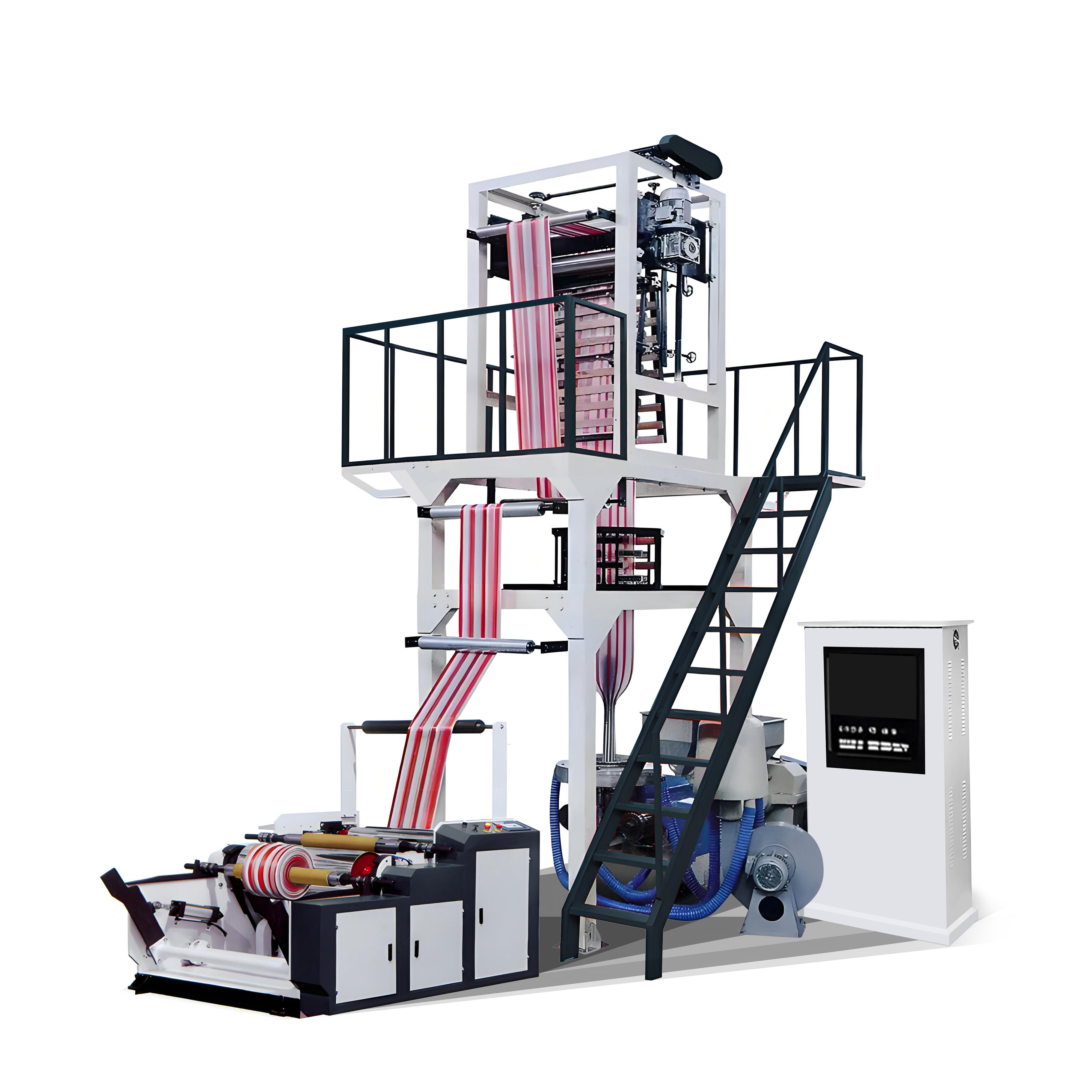
Ergonomic touch-screen layout and intuitive navigation for rapid parameter adjustment
Good HMI design begins with touch screens that are easy on the eyes and hands when operators need to work long shifts. The controls for things like die temperature, screw speed, and bubble calibration have been placed together so workers can make changes with just one touch. This setup cuts down mistakes quite a bit actually, around 40% according to some research from last year on how people interact with machines at factories. The menus also change based on what stage of production they're in. When starting up, the screen shows cooling ring settings right away. But once everything gets going smoothly, it switches focus to monitoring thickness instead. These newer systems remember hundreds of different setup parameters too, something like 200 configurations stored safely away. And best part? They rarely forget anything either, only making errors about 1 out of every 100 times. All this means switching between products happens much quicker now, sometimes as fast as 90 seconds flat. That explains why many plants report getting through product changes about 22% faster than before these improvements came along.
Real-time visualization of critical blown film parameters: bubble stability, melt temperature, and gauge profile
Dynamic HMI dashboards convert raw sensor data into actionable intelligence using layered visualization techniques:
- Bubble stability monitoring via live pressure mapping and oscillation trend graphs
- Melt thermocouple readings overlaid on extrusion zone diagrams, with thermal anomaly alerts triggered at ±2°C deviation
-
Cross-directional thickness profiles rendered as color-coded heatmaps against user-defined tolerance bands
Standardized alert hierarchies prioritize critical deviations—such as air ring pressure fluctuations—over routine notifications. This visual contextualization reduces cognitive load by 35% and enables corrective actions 50% faster than legacy text-based interfaces.
Integrated Parameter Control Architecture for Precision Film Production
Synchronized IBC and thickness profiling via closed-loop feedback from laser gauges
Getting precision right in film production means keeping Internal Bubble Cooling (IBC) systems and thickness measurements perfectly synced up in real time. Lasers are constantly scanning across the film bubble, sending super detailed thickness readings straight to the control system. When there's even a tiny deviation detected, the whole system reacts almost instantly. The IBC adjusts where air is blowing and tweaks those die lips at the same time. Imagine if the cooling gets uneven somewhere and starts messing with bubble stability. The system catches that problem fast and shifts airflow around while also making small changes to how much pressure is being applied during extrusion. All this tight integration keeps the film thickness pretty much consistent within about 1.5% variance. That kind of accuracy matters a lot for applications needing strong barriers against things like moisture or gases. Plus, manufacturers see around an 18% drop in wasted materials because they don't have to stop production for manual calibrations every time they switch resins anymore.
Coordinated die gap, air ring airflow, and haul-off speed control using adaptive PID tuning
The best film characteristics come about when three factors work together: die gap settings, how the air ring functions, and the haul-off speed. Smart PID controllers keep adjusting these settings based on what they see happening with the melt's viscosity and temperature right now. These controllers aren't stuck with fixed settings like older systems were. Instead, they change those important P-I-D values on the fly when dealing with different polymer densities, especially stuff like HDPE or polypropylene. When there's a shift in the melt flow index, the air ring pressure goes up or down accordingly, while the haul-off speed changes just enough to avoid those annoying draw resonance problems we all hate. Plants that have implemented this kind of coordinated approach report cutting their setup time down by around 30%, plus they get rid of those pesky gauge band defects. Across manufacturing sites worldwide, companies are seeing about 22% fewer production stoppages thanks to this smarter system integration.
Robust Automation Stack: PLC–HMI–SCADA Integration in Automated Film Blowing Equipment
Modern automated film blowing equipment relies heavily on an automation stack that brings together three main components: Programmable Logic Controllers (PLCs), Human-Machine Interfaces (HMIs), and Supervisory Control and Data Acquisition (SCADA) systems. The PLCs handle the real time control tasks needed for making precise adjustments to the machinery. Meanwhile, HMIs provide operators with easy to understand dashboards that show important metrics like bubble stability and melt temperatures. On top of this, SCADA systems collect data across the entire plant to help with things like predicting when maintenance might be needed and optimizing processes. When these layers work together seamlessly, they cut down on communication delays between different control levels. Some studies suggest this setup can actually reduce unexpected downtime by around 17% according to recent reports from the plastics industry. For manufacturers running high output polyethylene film lines, getting these systems synchronized makes all the difference. Tighter control over film thickness means better quality products, and keeping energy usage efficient remains essential since inconsistent gauge measurements directly affect how much material gets wasted during production runs.
Performance Validation: Measurable Gains from Optimized Control Panel Design
Case evidence: 22% faster changeovers and 15% improved gauge uniformity across production runs
Data collected at various film manufacturing plants shows that better designed control panels actually result in real efficiency improvements. Plants that have upgraded their Human Machine Interfaces (HMIs) are seeing around 22% quicker changeovers between different materials. This happens because adjusting parameters takes less time and there's just not as much need for someone to manually step in during transitions. The closed loop control systems installed in these facilities also help maintain consistent quality, improving gauge uniformity by about 15% over regular production runs. They do this by constantly adjusting things like die gaps and air flow in real time based on what lasers measure. All these enhancements come from putting together more straightforward process controls that let operators make decisions faster without sacrificing accuracy, which means the final product stays within specification even when running long production batches.
FAQs
What are HMIs in film blowing equipment?
HMIs, or Human-Machine Interfaces, are user-friendly touch-screen controls that allow operators to adjust parameters easily during film production processes.
How does real-time visualization improve film production?
Real-time visualization converts sensor data into actionable information, reducing cognitive load and enabling faster corrective actions, thereby enhancing film production efficiency.
What is the role of PLCs and SCADA systems in film blowing equipment?
PLCs handle real-time control tasks, while SCADA systems collect and analyze data across the plant to optimize processes and predict maintenance requirements.
How does synchronized system integration benefit film production?
Synchronized integration of systems like IBC and thickness profiling ensures consistent film thickness, reduces material waste, and improves overall production efficiency.
Table of Contents
- Core HMI Design Principles for Operator Efficiency in Automated Film Blowing Equipment
- Integrated Parameter Control Architecture for Precision Film Production
- Robust Automation Stack: PLC–HMI–SCADA Integration in Automated Film Blowing Equipment
- Performance Validation: Measurable Gains from Optimized Control Panel Design
- FAQs