

 EN
EN

Automation in Film Blowing Machines: Boosting Speed and Reducing Downtime
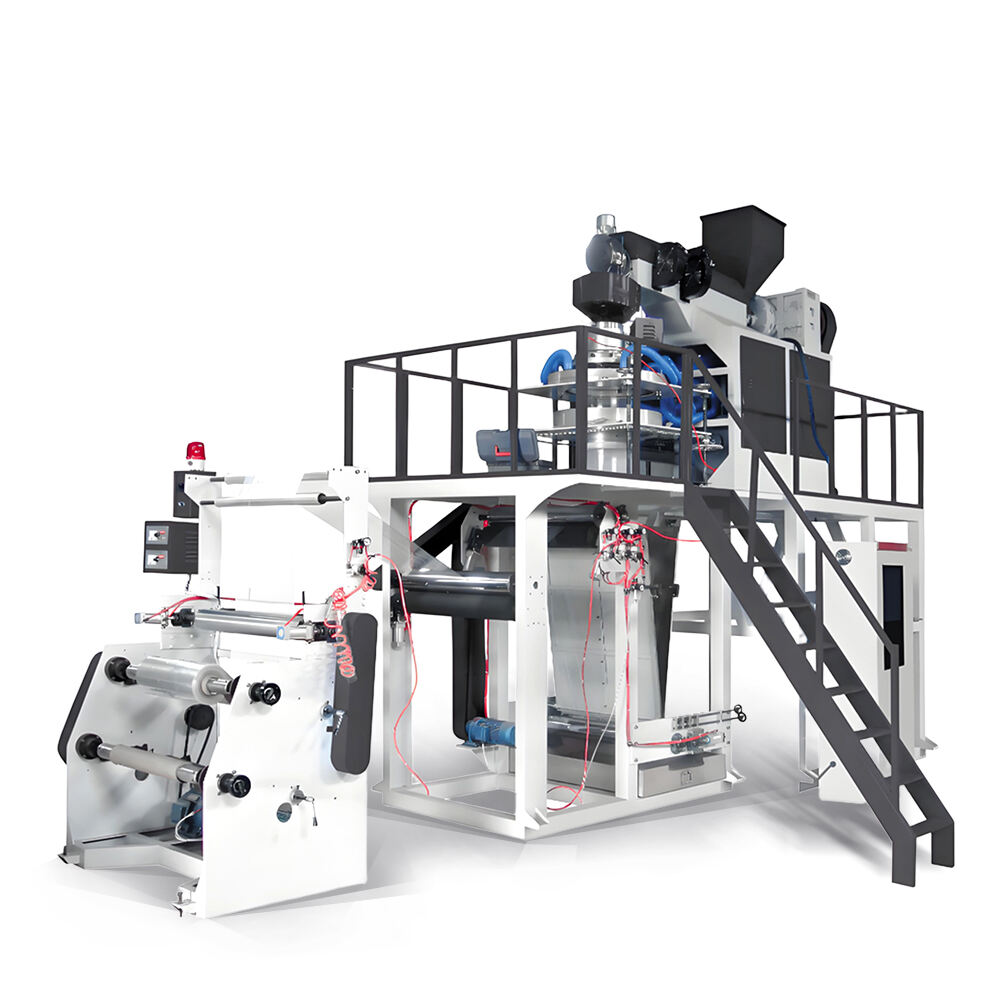
How automation and control systems enhance efficiency in film manufacturing
Today's film blowing machines come equipped with built-in automation features that boost how fast they can produce materials. The control systems handle important settings such as heat levels, screw rotation speed, and how quickly the film is pulled away during processing. Operators can tweak these settings on the fly to keep things running smoothly. A recent study published last year showed that factories using automated equipment actually run about 30 percent quicker than those relying on manual operations. Why? Because switching between different product grades happens much faster when everything is computer controlled, plus there's less wasted material since the machines maintain tighter control over the entire process.
Reducing human error and operational downtime through automated processes
When it comes to reducing mistakes made by people, automation really shines because it sets up standardized processes and takes humans out of the equation for those boring, repetitive jobs. These closed loop control systems are constantly checking how good the product looks as it comes off the line, making tiny adjustments on their own when something starts going wrong. The result? Fewer defects getting through the system altogether. And let's talk about downtime - nobody wants production grinding to a halt unexpectedly. Automated systems catch problems early enough that operators get warnings long before anything serious happens, which means factories stay running smoothly most of the time instead of facing those costly shutdowns we all dread.
Integration of automatic width control and autocleaning functions
The latest generation of film blowing machines comes equipped with automatic width control systems that keep film dimensions consistent through real time bubble monitoring. What makes these machines even better is their built in autocleaning functions which stop die buildup and contamination problems before they start, so operators don't have to constantly interrupt production for manual cleaning sessions. When combined, these features allow for very tight tolerances around ±1.5% variation, something that's pretty impressive considering standard industry expectations. Production speeds can hit over 400 kg per hour when working with high density materials, making these machines a serious upgrade from older models that struggled to reach half those numbers.
Case study: A leading manufacturer's automation advancements
One major industrial equipment maker recently hit an impressive 91% uptime figure, which beats standard systems by almost 18 percentage points. They got there through smart maintenance tech that scans around 1,200 different factors every single second. The company's automatic temperature mapping and material thickness controls cut down on power usage too, saving about 22% per kg manufactured. And they still manage to keep variation in product thickness under 3.5%, which is pretty remarkable when considering production speeds. These results show just how much better things can get when manufacturers invest properly in full scale automation solutions instead of sticking with old school methods.
Sensor Technology for Real-Time Precision in Film Thickness and Uniformity
Real-time monitoring systems ensuring consistent film quality
Today's film blowing equipment relies on sophisticated sensors to keep film quality at top levels even when running at breakneck speeds. These machines employ both ultrasonic and infrared measurement devices that scan the whole bubble surface constantly. When they detect something off, operators get real time data showing exactly where adjustments need to happen on things like die lips or air ring settings. Most modern setups now feature closed loop control systems that fix thickness issues all on their own without waiting for human intervention. This automatic correction saves tons of raw material over time while making the whole process run smoother. For manufacturers producing specialty films, maintaining consistent thickness isn't just about looks it actually determines how well the product performs in applications ranging from food packaging to medical supplies where customers demand nothing but perfection.
Overcoming material homogeneity challenges with advanced sensors
When working with plastics, material inconsistencies can really mess things up for manufacturers. But modern sensor tech has gotten pretty good at picking up on those tiny differences in polymer makeup, how much moisture is present, and even changes in how the melted plastic flows through equipment. These systems actually combine several different sensing methods all at once, giving plant managers a full picture during the whole extrusion process. Catching problems early means workers can tweak temperature settings or change how ingredients get mixed together before anything goes wrong. This helps keep product quality consistent across batches, even when there are unavoidable variations in the raw materials coming into the factory.
Dynamic thickness adjustment using closed-loop feedback systems
Closed loop feedback systems are really good at keeping things consistent when it comes to precision control. These systems constantly check what's actually happening with thickness measurements compared to what should be happening, then make tiny adjustments as needed. The technology behind them uses some pretty smart math to figure out how changing things like die lips, air flow rates, or haul off speeds might impact the final film size. Instead of just guessing and checking, this approach cuts down on wasted material during production start ups and keeps the whole process running smoother. Film manufacturers benefit because they end up with products that match their quality standards meter after meter without too many surprises along the way.
Advanced Extrusion and Die Design for Higher Output and Quality
Innovations in blown film extrusion driving faster production rates
New extrusion tech lets factories crank out products at amazing speeds without sacrificing quality standards. The screws inside these machines are precision built, and barrels have been redesigned to melt materials more evenly while using less power overall. Big name companies rely on computer modeling software to create intricate die shapes that keep materials flowing smoothly through the system. What does this mean for production? Output jumps around 25% higher than older equipment can manage, yet the finished goods still maintain those critical qualities like bubble stability and even thickness throughout the product run.
Precision die design improvements for uniform film formation
How a die is designed really affects both the quality of films produced and how efficient the whole process runs. Today's dies come equipped with better flow channels and improved thermal systems that keep temperatures consistent throughout. This helps eliminate those annoying thickness differences we used to see in traditional manufacturing. Engineers now rely on something called finite element analysis or FEA for short. With FEA they can actually simulate how materials will behave under different conditions and spot potential flow problems long before anything hits the production line. When paired with modern metallurgy techniques and special coatings, these advances mean dies can produce films with stable dimensions and uniform thickness measurements staying within about plus or minus 2 percent across the entire width of the film web, even when running at top speed.
Balancing high throughput with consistent film quality
Getting the right balance between speed and product quality means having good monitoring systems in place along with controls that can adapt on the fly. Modern production facilities use real time tracking for things like melt pressure readings, how stable the temperature stays during processing, and what's happening with bubbles forming in the material. These systems then make automatic adjustments to things like die gap spacing, settings on air rings, and how fast the material gets pulled away from the mold. The end result? Production lines can keep pumping out products at rates exceeding 300 kilograms per hour without sacrificing important characteristics like optical clarity, mechanical strength properties, or surface finish quality. What used to be a constant struggle between going fast versus making good products is now something manufacturers can achieve simultaneously thanks to these advanced control technologies.
AI and Data-Driven Control Systems in Modern Film Blowing Machines
Predictive maintenance powered by AI integration in film production
Predictive maintenance becomes possible when AI looks at all those operational numbers and spots potential breakdowns ahead of time. According to what many in the field are seeing, smart systems powered by artificial intelligence cut down on unexpected shutdowns somewhere around 45% because they catch problems while there's still time to fix them. These systems keep an eye on things like how motors are running, vibrations coming from gearboxes, and temperature changes over time. They compare current readings against past data to find anything out of the ordinary before it actually breaks down. The result? Longer lasting equipment, better planned maintenance schedules, and factories that just run smoother day after day.
Machine learning for adaptive process control and operational flexibility
Machine learning is changing how we manage operations through control systems that adapt as conditions shift around them. The algorithms process a massive amount of sensor information every second melt pressure readings, temperature trends across different zones, even the stability of bubbles forming in the material all gets analyzed so the system can tweak itself in real time. Traditional controls just stick to preset values, but these smart models actually forecast what might happen when materials change or environments fluctuate. They then compensate automatically adjusting things like screw speeds, air rings, or haul off rates as needed. What this means for production is being able to switch from one type of film to another much faster than before without spending hours on recalibrations. These systems keep getting better at their job too, learning from each run and making small improvements along the way.
Addressing the balance between AI complexity and operator usability
Getting AI right means finding that sweet spot between smart technology and easy to use features. These days, many systems come equipped with what's called human machine interfaces or HMIs for short. They take all those complicated numbers and graphs and turn them into something people can actually work with through colorful dashboards and straightforward controls. The best part? Operators don't need to be computer wizards anymore. Take these interfaces for instance they might suggest things like increasing the airflow around cooling rings by about 15 percent or telling maintenance teams to check out gearboxes within two days time. Factory managers report that when AI works well, it acts more like a helpful assistant than a replacement for experienced workers. The real value comes from supporting human judgment rather than trying to eliminate it completely. And let's face it nobody wants their factory floor staff spending hours learning Python just to do their job properly.
Gravimetric Batching for Consistent Material Input and Film Performance
Improving raw material precision with gravimetric batching technology
Weight-based batching has largely taken over from old school volumetric methods, bringing much better accuracy to how materials are measured and mixed. The heart of this system lies in those high precision load cells that actually weigh each component rather than just guessing based on volume. These systems can hit dosing targets within about plus or minus 0.1 percent as noted by TSM Controls Systems. That's a huge improvement over traditional methods which often had error margins around 5 percent. And what does all this mean for manufacturers? According to the Plastics Technology Report from last year, companies typically see between 12 and 18 percent less wasted material when they switch over. Modern day gravimetric blenders work right alongside production line PLCs these days, running through their programmed recipes without needing constant supervision. Even when dealing with ingredients that change density as they move through the process, these systems maintain consistent feeding rates throughout production runs.
Impact of precise blending on film properties and production stability
Getting the blending just right makes a big difference for film properties and keeps the whole process stable during manufacturing. When inputs stay consistent throughout production, we avoid those annoying thickness variations and color shifts that plague so many batches. This matters most with multi layer films because even small mistakes in formulation can wreck the barrier protection completely. For recycled materials specifically, good gravimetric control helps maintain tensile strength at around 1.5% variance compared to brand new materials. Manufacturers see real benefits too: there are simply fewer rejected products and machines run longer between stops. Plus, having real time monitoring means operators can catch problems early and tweak settings before things go wrong, keeping everything running smoothly across long production cycles.
FAQ
What are the benefits of automation in film blowing machines?
Automation in film blowing machines enhances production speed, reduces downtime, minimizes human error, and ensures consistent film quality with features like automatic width control and self-cleaning functions.
How do sensors improve film thickness and uniformity?
Advanced sensors provide real-time monitoring and control, correcting thickness issues automatically and ensuring film uniformity by detecting inconsistencies and making necessary adjustments to maintain consistent quality.
What role does AI play in film blowing machines?
AI facilitates predictive maintenance, reducing unexpected shutdowns and enhancing operational flexibility. It adapts to process changes, optimizes production, and supports user-friendly human-machine interfaces for better factory management.
How does gravimetric batching benefit film manufacturing?
Gravimetric batching improves material precision, reducing waste and maintaining consistent feeding rates, which enhances film properties and production stability, particularly in multi-layer and recycled materials.
Table of Contents
- Automation in Film Blowing Machines: Boosting Speed and Reducing Downtime
- Sensor Technology for Real-Time Precision in Film Thickness and Uniformity
- Advanced Extrusion and Die Design for Higher Output and Quality
- AI and Data-Driven Control Systems in Modern Film Blowing Machines
- Gravimetric Batching for Consistent Material Input and Film Performance
- FAQ