

 EN
EN

How Cooling Systems Directly Govern Throughput and Energy Use in Blown Film Extruders
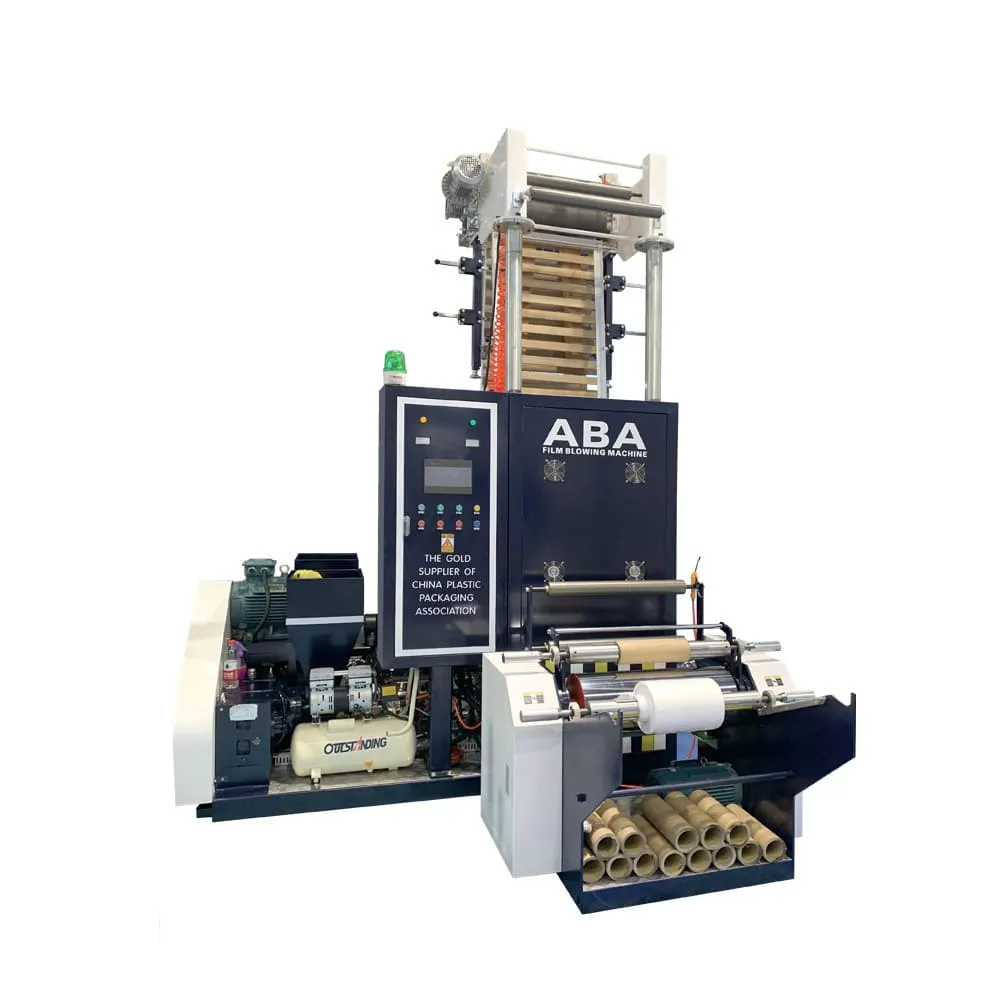
While extruder speeds continue advancing, cooling systems remain the critical bottleneck. Modern high-output lines require precise thermal management to prevent melt instability. Inefficient cooling leads to film rupture from inadequate crystallization, energy waste from reheating cycles, and production delays due to forced slowdowns.
Cooling inefficiencies can consume over 30% of total energy in conventional systems (Polymer Processing Institute, 2022). The core limitation arises when extruded material reaches the frost line faster than heat can dissipateâ€forcing operators to reduce line speeds and negating extrusion advancements.
Quantifying gains: higher output with precision chilled air delivery
Advanced cooling technologies directly address throughput limitations. Temperature-controlled air rings optimized with computational fluid dynamics (CFD) deliver ±0.5°C air temperature consistency and accelerate crystallography by 40%, reducing material sagging and stabilizing bubble geometry.
According to recent studies in Film Extrusion Quarterly (2023), factories using precision chilled air systems see their output go up between 15 and 20 percent. The improvement comes from more than just quicker cooling processes. These systems actually help maintain stable bubble structures even when conditions change during operation. Factory managers have told us they save around eight dollars fifty cents every hour on energy costs. Why? Because these chillers put less strain on compressors and shorten how long each production cycle takes. When looking at ways to boost productivity, many plants find that investing in better cooling solutions gives them more bang for their buck compared to simply upgrading extruders.
Cooling Precision and Film Quality: Clarity, Uniformity, and Mechanical Integrity
Cooling rate effects on haze, thickness variation, pinholes, and melt strength retention
The speed at which something cools down plays a major role in determining how clear it looks, how evenly it measures across different areas, and how well it holds up mechanically when making blown films. When things cool quickly, there's less chance for crystals to form inside the material. This leads to clearer products with less cloudiness but can cause problems too. If the air isn't moving consistently around during this fast cooling process, certain spots might get cooler than others, resulting in thickness variations over 5% in some cases. On the flip side, slower cooling helps maintain the material's strength so bubbles form properly during production. However, this method allows bigger crystal structures to develop within the plastic. These larger crystals actually scatter light more, which makes the final product appear hazier. Some tests show this slow cooling approach can increase haze levels by about thirty percent compared to faster methods.
Getting the chilled air just right stops those pesky pinholes from forming when molten material solidifies too quickly and traps air inside. Managing heat properly means walking a tightrope between two goals at once. On one hand, we want fast enough cooling to minimize defects, but on the other hand, we need to maintain structural strength by controlling how molecules align during the process. For manufacturers aiming for less than 1% variation in thickness, adjusting airspeed becomes critical work. They fine-tune settings based on what each type of resin needs to crystallize properly, making sure everything hardens evenly across the board without compromising transparency or durability against impacts.
Internal Bubble Cooling: Airflow Dynamics, Dew Point Control, and Stability in Blown Film Extruders
Chilled air delivery optimization: balancing bubble stability, frost line control, and condensation risk
In internal bubble cooling (IBC) systems, airflow dynamics govern bubble stability, thickness uniformity, and frost line position. Turbulent flow disrupts symmetric cooling, triggering oscillations and gauge banding. Maintaining dew point below ambient temperature is essential to prevent condensationâ€a leading cause of pinholes and surface defects.
Getting the right frost line height depends on just the right amount of chilled air delivery. Too much cooling leads to early solidification and those pesky bubbles collapsing before they should. Not enough cooling? Well, that means longer crystal formation times and production drops somewhere around 12 to maybe even 18 percent. These days, most IBC systems come equipped with sensors that monitor airflow in real-time along with humidity controls. They let operators tweak things as needed without breaking the whole structure apart. Some thermal imaging research backs up these methods too. The numbers look pretty good actually, with about 40 percent less variation in thickness when everything is properly controlled. No more having to choose between fast processing speeds and decent product quality anymore.
Energy-Efficient Cooling Innovations for Sustainable Blown Film Extrusion
Free-cooling kits and Adcooler integration: ROI and payback analysis
Free-cooling kits leverage ambient air temperatures to reduce refrigeration demand in Blown Film Extruders, cutting energy use by 20â€40% in favorable climates. Adcooler systems combine adiabatic cooling with water evaporation for efficient heat dissipationâ€particularly effective in high-humidity environments where traditional chillers struggle.
According to data collected by Ruian Xinye Packaging Machine Co., Ltd., most businesses see their investment paid back within just over a year. Some companies have even managed to recover installation costs in half that time frame, around six months or so. When it comes to ongoing expenses, many report cutting annual energy bills by roughly 30%. This happens because compressors run less frequently and chillers don't need to work as hard anymore. Beyond saving money, these improvements help factories reduce their environmental impact significantly. The smaller carbon footprint is a bonus for green initiatives, but there's another benefit too: production lines become more reliable when equipment isn't constantly stressing out mechanical components.
FAQ
Why is cooling considered a bottleneck in Blown Film Extruders?
In Blown Film Extruders, cooling is considered a bottleneck because inefficient cooling can lead to melt instability, film rupture, energy waste, and production delays. Cooling systems play a crucial role in controlling crystallization and maintaining film quality.
How can advanced cooling technologies increase output in factories?
Advanced cooling technologies, such as precision chilled air systems, can increase output by 15-20% by maintaining stable bubble structures. These systems also reduce strain on compressors, leading to lower energy costs and quicker production cycles.
What role does cooling rate play in film quality?
Cooling rates significantly affect film clarity, uniformity, and mechanical integrity. Fast cooling reduces cloudiness but might cause thickness variations. On the other hand, slow cooling maintains bubble strength but can increase haze levels. Proper cooling balance is crucial for minimizing defects while maintaining structural strength.
How do free-cooling kits and Adcooler integration improve energy efficiency?
Free-cooling kits leverage ambient air temperatures, reducing refrigeration demand by up to 40% in favorable climates. Adcoolers use adiabatic cooling and water evaporation, particularly effective in high-humidity conditions, to enhance heat dissipation and improve energy efficiency.
Table of Contents
- How Cooling Systems Directly Govern Throughput and Energy Use in Blown Film Extruders
- Cooling Precision and Film Quality: Clarity, Uniformity, and Mechanical Integrity
- Internal Bubble Cooling: Airflow Dynamics, Dew Point Control, and Stability in Blown Film Extruders
- Energy-Efficient Cooling Innovations for Sustainable Blown Film Extrusion
- FAQ