

 EN
EN

Optimizing Mechanical Settings for Higher Throughput in Plastic Bag Making Machines
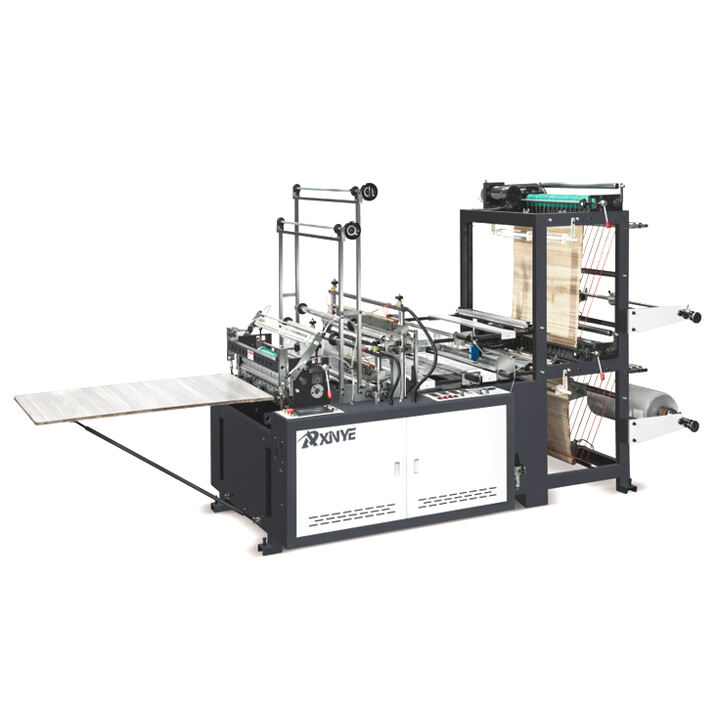
Fine-Tuning Film Tension and Sealing Temperature
Getting the right amount of tension in the film is really important when running at high speeds. If there's not enough tension, we get all sorts of problems with inconsistent sealing. But go too far in the other direction and it starts putting unnecessary strain on everything from rollers to motors, not to mention damaging the film itself. At the same time, getting the sealing temperature just right matters a lot too. LDPE generally works best around 110 to 130 degrees Celsius, while HDPE needs something closer to 125 to 145 degrees. Getting these temperatures wrong even by five degrees can lead to an 18% jump in defects, which means slower production and more waste going straight into the bin. When working with different materials, remember to adjust tension based on how thick they are. Thinner films need less tension applied to maintain proper speed without compromising the quality of the final product.
Precision Calibration of Cutting Speed and Bag Length Parameters
Getting the cutting blade movement in sync with how fast the film moves is essential for avoiding those annoying timing issues that lead to rough edges or partial cuts, which becomes really important when changing between different bag sizes. Take regular 30 cm bags for instance. Just a tiny 0.1 second lag between when the blade should cut and when it actually does so can waste around 2.4 meters of film every single minute. When we tweak the bag length settings within the machine controls, this helps reduce excess material being used during size changes. The result? About 15% less waste overall while also speeding up the process of switching between bag types without compromising on size precision either.
Upgrade Key Components to Enhance Plastic Bag Making Machine Performance
Servo Motor Integration for Responsive, High-Speed Operation
Switching out standard motors for servo systems gives manufacturers much better control over movement in real time. These systems can adjust speeds instantly during sealing and cutting operations while maintaining position accuracy throughout the process. No more drifting off track or losing timing precision when things get busy on the production line. The biggest advantage? Getting rid of those pesky issues like over-tensioning and slippage that cause so many jams when running above 200 bags per minute. According to field reports from packaging plants across the country, companies that integrate servos typically see their changeover times drop around 40%, plus they produce anywhere from 15% to 30% more output each day because every bag comes out exactly the same length. Plus there's something else worth mentioning about these systems too. Their closed loop feedback mechanism actually puts less strain on all the moving parts inside the machine. This means longer equipment lifespan overall and fewer problems with misaligned seals that lead to wasted materials and money down the drain.
Modern PLC and Touchscreen HMI for Real-Time Speed Control
Modern PLC systems work hand in hand with easy to use touchscreens that bring all speed controls together in one place. These replace old fashioned manual dials with visual dashboards where operators can quickly adjust settings for temperature, tension levels, and how fast the production line runs. The system also has built in diagnostic tools that spot problems early on, catching issues like increased roller friction or slight temperature changes before they cause production delays. Storing different recipes means switching between various bag sizes takes just a single button press, which cuts down setup time dramatically compared to traditional methods requiring physical adjustments. A recent report from the International Journal of Packaging Technology shows that these smart machines cut down on defective products by about 22% when compared to older relay controlled equipment still used in many facilities today.
Minimize Downtime with Automated Material Handling
Auto-Feeding Roll Stands and Coreless Unwind Systems
Changing rolls manually remains one of the biggest headaches for unplanned downtime in plastic bag production lines. Auto feeding roll stands solve this problem pretty well actually. They spot when rolls are getting low on material and automatically make those smooth transitions between rolls so machines don't have to stop working. Then there's coreless unwind systems which take things even further. These systems get rid of those old fashioned cardboard or plastic cores that used to come with materials. This means manufacturers can use every last bit of their raw materials without having to pause operations just to remove empty cores. When combined, these tech upgrades slash changeover times by around 80 percent and significantly cut down those unexpected shutdowns somewhere between 30 to maybe even 50 percent. What does all this mean? Machines keep running at top speed most of the time, products maintain consistent quality throughout shifts, and factories rely less heavily on manual labor for these tedious tasks.
Sustain Peak Speed Through Preventive Maintenance
Regular maintenance isn't something manufacturers can skip if they want their machines running at top speed. Instead of waiting until parts actually fail, companies should plan regular inspections and swap out those components that naturally wear down over time like bearings, seals, and cutting blades. This approach stops major breakdowns from happening when least expected and causing hours of lost production. According to data from the U.S. Department of Commerce in their 2022 report on manufacturing reliability, plants that stick to strict preventive maintenance schedules see about 30% fewer unexpected shutdowns compared to those who only fix things after problems arise. Checking machine alignments regularly, keeping proper lubrication levels, and ensuring accurate calibrations all help maintain product quality even during peak operations while making machinery last longer. Keeping detailed records of each maintenance activity helps track how different parts degrade over time. With this information, technicians can adjust maintenance intervals accordingly, turning what would be several hours of unplanned downtime into short routine checks that won't disrupt production goals throughout the year.
FAQ Section
Why is film tension important in high-speed operations?
Film tension is crucial for consistent sealing and avoiding unnecessary strain on the machinery. Correct tension ensures the quality of the final product and maintains speed without causing damage.
How do servo motors improve machine performance?
Servo motors provide real-time control, allowing for instant speed adjustments and precise position accuracy. They reduce issues like over-tensioning and slippage, enhancing throughput and reducing jams.
What are the benefits of automated material handling?
Automated material handling minimizes downtime by automating roll changes and eliminating core removal, which reduces unexpected shutdowns and enhances operational efficiency.
How does preventive maintenance help in sustaining peak speed?
Preventive maintenance prevents major breakdowns by regularly inspecting and replacing worn-down components, thereby reducing unplanned downtime and maintaining product quality during peak operations.