

 EN
EN

Core Structural and Engineering Differences in Multi-Layer Blown Film Extruders
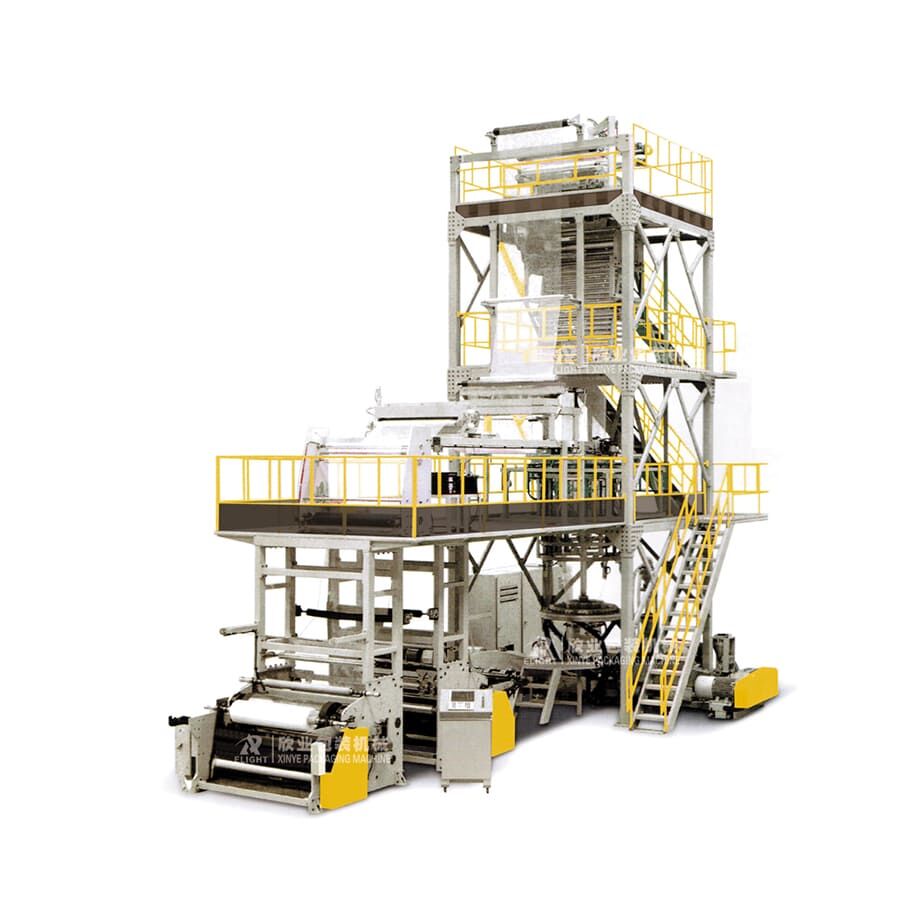
Extruder Configuration, Feedblock Design, and Die Integration in Single-Layer vs Multi-Layer Blown Film Extruders
Standard single layer extruders work with just one barrel to melt and push polymer material through a round die, resulting in film with consistent thickness throughout. On the other hand, multi layer blown film extruders operate differently. They actually use several parallel extruders where each one handles its own particular type of resin. These streams come together at what's called a feedblock. The feedblock itself plays a really important role here because it combines those different melted materials into a solid multilayer structure right before they go into the main die. Getting the temperature control just right within this feedblock area is super important too. Without proper heat management, problems happen at the interfaces between layers, particularly noticeable when working with resins that are sensitive to heat changes. Designing these dies gets significantly trickier for multiple layers. Engineers need to create special flow paths inside the die, like those spiral shaped mandrels used in three layer systems, so all the layers stay properly aligned. When there's a mismatch in how thick or runny different materials are (think nylon versus polyethylene), things can get unstable during processing unless the geometry between the feedblock and die has been carefully fine tuned.
Die Compatibility and Flow Distribution Challenges Across Two-Layer, Three-Layer, and ABA Configurations
The bigger the number of layers in a die, the more complicated things get when it comes to distributing material evenly. Dies with just two layers deal with some pressure differences, but once we move to three layers, problems really start showing up at the interfaces between materials, especially when working with different types of resins altogether. Take those ABA setups for example (think polypropylene with adhesive sandwiched between two poly layers). These need pretty much perfect balance in how material flows through them, otherwise parts tend to curl at the edges or develop wavy profiles. And don't even get me started on viscosity mismatches. We've seen cases where a mere 20% difference in material thickness leads to variations over 15% in final product dimensions. Some folks try narrowing die gaps below 1.5mm to get better control, but that just opens another can of worms with melt fractures becoming a real headache. Heart shaped manifolds and various balanced channel designs do help spread material more evenly across the die, although temperature differences after cooling often still cause layers to separate. Most experienced operators spend quite a bit of time adjusting lips on the fly during runs to keep everything looking consistent from one part to the next.
Performance Advantages of MultiLayer Blown Film Extruders
MultiLayer Blown Film Extruders deliver transformative performance benefits by leveraging co-extruded polymer architectures enabling precise engineering of film properties unattainable with monolayer alternatives.
Enhanced Barrier Properties, Mechanical Strength, and Optical Clarity Through Layered Architecture
The layered approach really boosts what these materials can do. When manufacturers mix different resins like EVOH for blocking oxygen and polyethylene that seals well, they get films stopping around 97% of oxygen. This means food products last much longer on shelves without losing their freshness or getting damp. The mechanical strength gets better too. Films made with alternating rigid and flexible polymers show about 40% more resistance to punctures than regular single layer options. Clear visibility is another plus. Special coatings cut down on cloudiness so the final product stays almost completely transparent, which matters a lot for packaging displayed in stores. What makes this system smart is how it saves money. Companies don't need to coat the whole film with expensive barrier materials since they can apply them strategically just where needed for protection.
Targeted Industrial Applications: Food Packaging, Pharma, Agriculture, and Electronics
These advantages translate directly into sector-specific solutions:
- Food Packaging: Integrated oxygen and moisture barriers extend shelf life by 30–50%
- Pharmaceutical: Ultra-barrier films protect hygroscopic drugs while remaining compatible with sterilization protocols
- Agriculture: UV-stabilized outer layers paired with vapor barriers sustain optimal crop microclimates
- Electronics: Anti-static interlayers prevent electrostatic discharge during transport and storage
The adaptability of MultiLayer Blown Film Extruders also supports sustainability imperatives. Recycled content whether post-industrial or post-consumer can be reliably incorporated into inner layers without compromising surface aesthetics or functional performance, aligning with tightening global circular economy regulations.
Operational and Economic Considerations
Capital Investment, Energy Efficiency, and Maintenance Costs for MultiLayer Blown Film Extruders vs Monolayer Systems
MultiLayer Blown Film Extruders require substantially higher initial investment typically 40–60% more than single-layer systems due to multiple extruders, precision feedblocks, and integrated control systems. However, operational economics reveal strategic trade-offs:
- Energy consumption rises 10–15% with added extrusion units
- Material savings of 15–20% achieved through optimized layer structures offset long-term costs
According to a 2023 Plastics Technology study, multilayer systems deliver ROI within 18–36 months for high-barrier packaging applications, primarily by reducing reliance on expensive virgin resins. Maintenance complexity grows with layer count:
- Downtime risk increases by ~25% in three-layer configurations
- Thermal stress in ABA setups accelerates wear on feedblock and die components
Manufacturers increasingly standardize extruder platforms to simplify integration and ensure robust layer ratio control key to maximizing recycled material usage without sacrificing quality or compliance.
Production Flexibility and Sustainability Capabilities
Resin Compatibility, Precise Layer Ratio Control, and Recycled Material Integration in MultiLayer Blown Film Extruders
Multilayer blown film extruders give manufacturers incredible flexibility when it comes to materials. These systems can handle various types of resins together in one film - think barriers, structural components, adhesives, and even special function materials like EVOH, PA, PETG, and ionomers. What makes them stand out is how they maintain consistent thickness throughout each layer during production, so every batch performs reliably. And this capability isn't just good for manufacturing efficiency. When it comes to green initiatives, these extruders let companies incorporate recycled materials right into the core of their films without compromising on surface finish or causing processing issues. Both industrial waste and consumer returned plastics work well here, as long as their flow characteristics and heat response match what the system needs. By placing recycled content where it matters most, manufacturers cut down on new plastic usage without sacrificing film strength. Plus, there's less waste generated when switching between different product grades, which helps businesses stay ahead of tightening environmental regulations and meet their own sustainability goals for the brand.
FAQ
What are MultiLayer Blown Film Extruders?
MultiLayer Blown Film Extruders are systems that use multiple extruders to create films composed of several layers of different polymers, achieving enhanced properties compared to single-layer alternatives.
What are the main benefits of using MultiLayer Blown Film Extruders?
They provide enhanced barrier properties, improved mechanical strength, and greater optical clarity, offering cost-effective and high-performance solutions for various industries, including food, pharmaceuticals, agriculture, and electronics.
How does the cost of MultiLayer Blown Film Extruders compare to single-layer systems?
MultiLayer systems require a higher initial investment, typically 40-60% more, but offer material savings in the long term, leading to ROI within 18-36 months for specific applications.