

 EN
EN

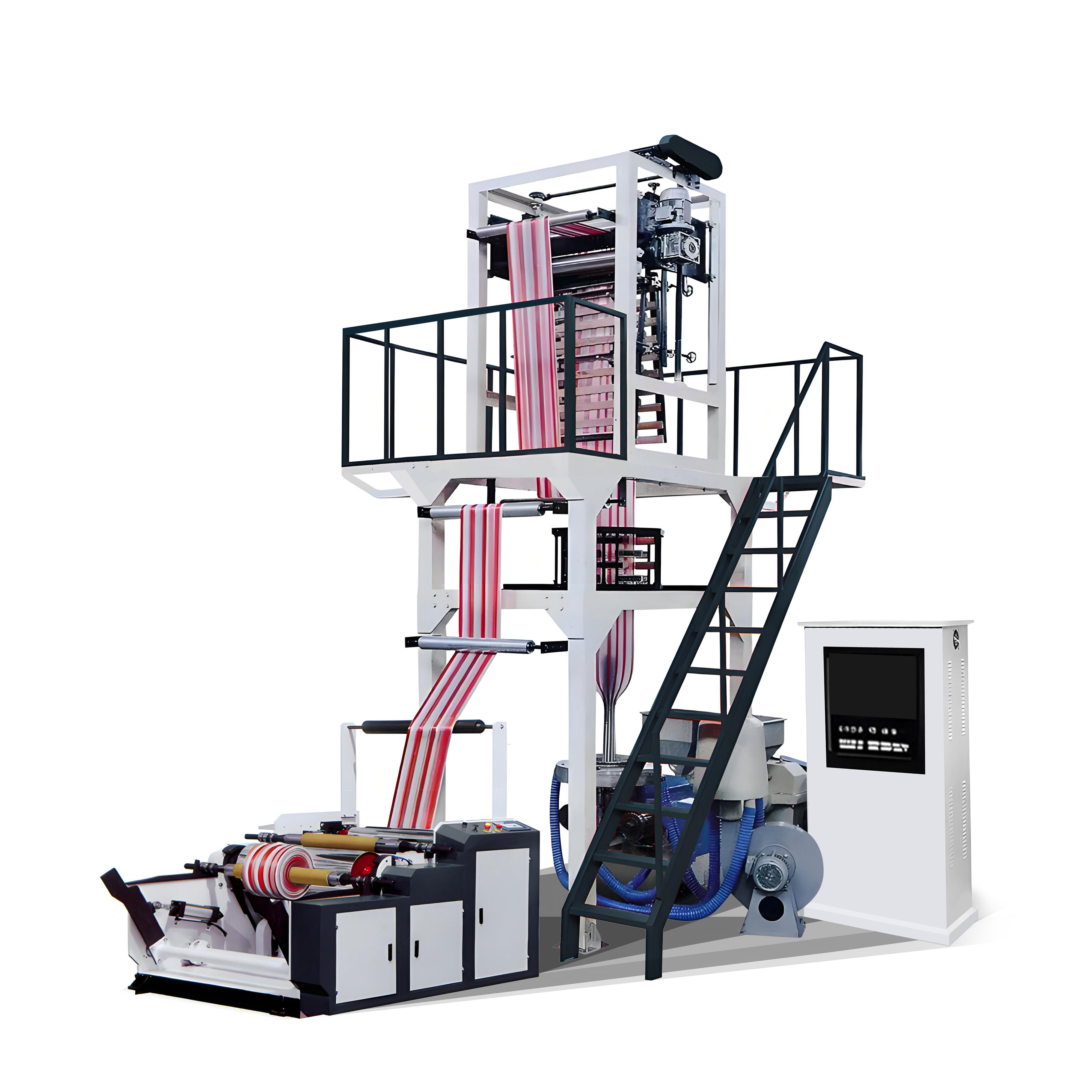
Processing Behavior in Blown Film Extruders: Melt Flow, Bubble Stability, and Screw Design Implications
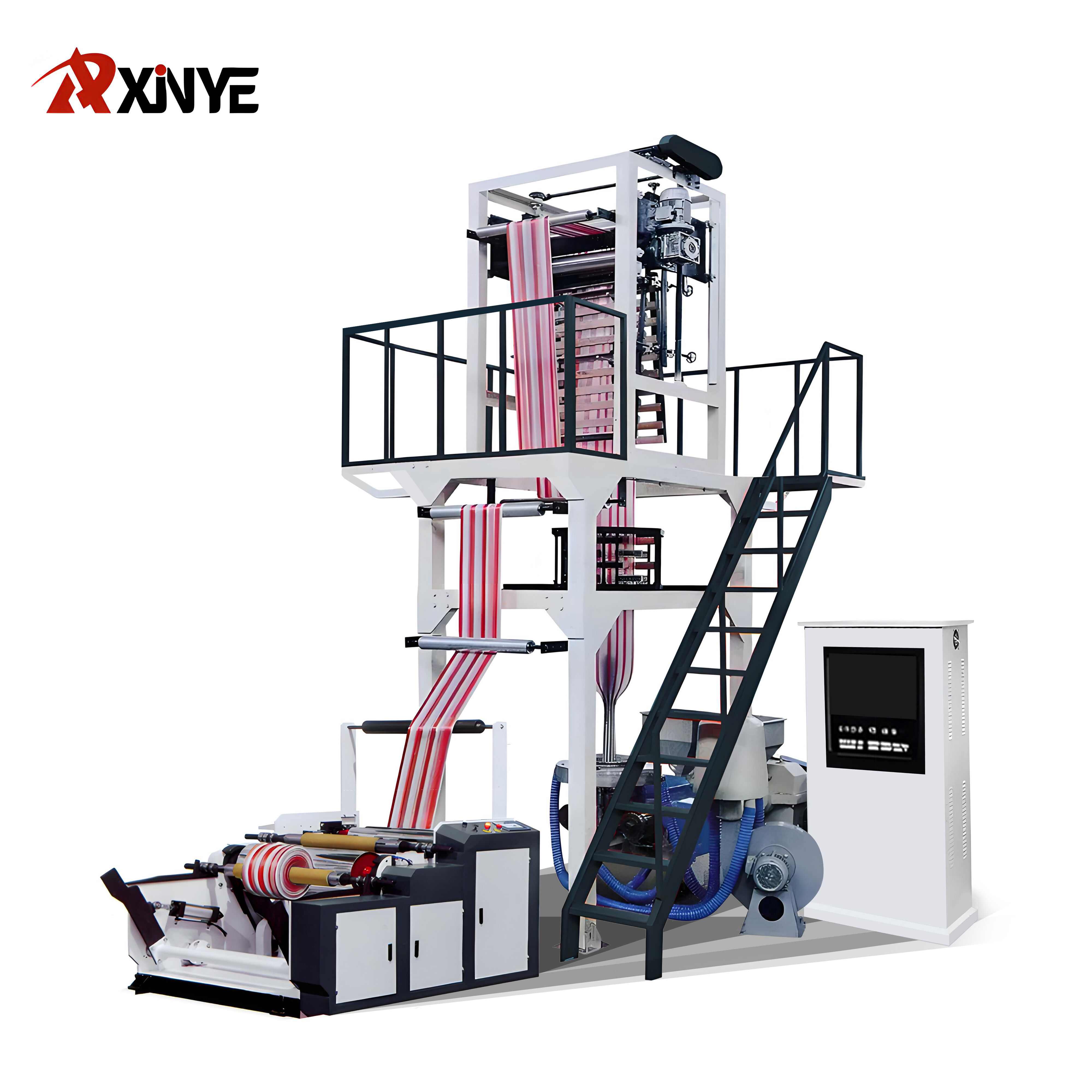
Melt Viscosity, Temperature Sensitivity, and Shear Response During Extrusion
When it comes to blown film extrusion at those standard temps between 180 and 230 degrees Celsius, LDPE just flows better than HDPE because it has lower melt viscosity. This means the material moves through the system more smoothly and puts less strain on the motors. Plus, LDPE shows this really useful shear-thinning property that makes things easier during processing when there's high shear stress in the die area. On the flip side, HDPE has a much higher melt flow index around 20 grams per 10 minutes compared to LDPE's less than 1 gram per 10 minutes. This basically means HDPE is stiffer when melted, so it requires more powerful drives and careful temperature management. Once we get past 210 degrees Celsius, HDPE gets tricky fast. Thermal degradation becomes a serious problem, which is why keeping those barrel and die temperatures stable matters so much for preventing issues like gels forming or oxidation breaking down the material quality.
Frost Line Control and Bubble Stability: Why LDPE Offers Greater Operational Latitude
The slower way LDPE crystallizes gives operators more room when adjusting frost line height, which is really important for keeping bubbles stable and maintaining uniform thickness throughout production. Since LDPE takes longer to solidify, it can handle about a 15% change in cooling rates without causing problems like draw resonance or bubble collapse. HDPE works differently though. It hardens much faster, so small changes matter a lot more. Even an 8% shift in air ring settings or chill roll temperatures can throw off the whole process. These differences have real consequences for what gets produced commercially. When frost lines move unpredictably during HDPE processing, thickness variations can jump over 12%. LDPE stays much more consistent in gauge control, which makes all the difference for thin agricultural films where consistent light transmission and proper mechanical properties are absolutely necessary.
HDPE's Melt Strength Paradox: When Higher Strength Demands Modified Screw Geometry
HDPE has great tensile strength when it's in solid form, but when melted down for blown film extrusion, its low elasticity causes all sorts of problems with bubble stability. Sagging occurs, there's that annoying neck-in effect, and sometimes the bubbles just burst before they should. To fix these issues, manufacturers need to pay close attention to their extruder screw design. Most plants go with barrier screws that have compression ratios around 3:1, paired with those special grooved feed barrels specifically made for HDPE processing. These setups really help out, boosting melting efficiency and getting better homogeneity in the melt mixture somewhere around 40% improvement. They also keep pressure stable so output doesn't surge unexpectedly. If companies skip on these modifications, they end up dealing with massive amounts of scrap material from failed bubbles. Scrap rates can get as high as nearly 30% in some cases. So picking the right screw isn't just something nice to have it's absolutely essential for anyone serious about producing quality HDPE films without wasting tons of raw materials.
Mechanical & Functional Film Properties: How Density and Crystallinity Drive End-Use Performance
The Density–Crystallinity–Flexibility Relationship Across LDPE and HDPE Grades
The long chain branching in LDPE gets in the way of crystal formation, creating lots of amorphous areas that let it stretch out quite a bit (around 500 to 700 percent) and absorb impacts pretty well. HDPE has this straight chain structure that allows molecules to line up closely together, which makes it stronger overall but not so good when it comes to stretching before breaking (usually only about 10 to 120 percent elongation). Because of these different characteristics, they end up being used for different purposes in blown film extrusion. LDPE is everywhere in stretch wrap and those form fill seal packages because it needs to conform to whatever shape it's wrapping around while still holding up under stress. HDPE on the other hand finds its home in things like laundry detergent containers and heavy duty industrial liners where the material needs to maintain its shape even when loaded down with stuff.
Tensile Strength, Puncture Resistance, and Toughness Trade-offs in Packaging Films
The degree of crystallinity basically determines how these materials perform when put to work. High density polyethylene has this tight crystal structure that gives it roughly four times the tensile strength compared to low density polyethylene (around 30-40 MPa versus just 8-20 MPa). And it resists punctures much better too, which matters a lot when dealing with sharp objects inside packaging. On the flip side, LDPE contains more amorphous regions where the polymer chains can slide past each other during impacts. This actually means LDPE handles shocks better than HDPE, with impact resistance about double what we see in HDPE. That's why LDPE is so commonly used in those tough shipping bags that get tossed around during transport. Meanwhile, HDPE stays rigid enough to keep chemical drums from bulging outwards and maintains good seals even when there's pressure building up inside over time. When choosing between these plastics, manufacturers need to think about what kind of stress their product will face most often – whether it's stretching forces, sudden impacts, or slow deformation over extended periods.
Application-Matched Material Selection: Aligning LDPE or HDPE with Real-World Blown Film Extruder Outputs
LDPE Dominance in Agricultural Films: Clarity, Flexibility, and Seal Integrity for Greenhouse Applications
Low density polyethylene (LDPE) continues to be the go-to material for greenhouse covers and agricultural mulch films because it combines several important properties that work well together. With an MFI range of 0.2 to 2.0 grams per 10 minutes according to ASTM D1238 standards, LDPE allows manufacturers to produce thin films down to just 0.02 mm thickness without experiencing melt fracture during extrusion processes. This results in films that transmit over 90% of available light while maintaining good clarity control, which helps plants grow better by maximizing their access to sunlight. Additionally, LDPE offers high flexibility and can be sealed at relatively low temperatures between 110 and 125 degrees Celsius. These characteristics ensure that seams stay intact even under varying weather conditions and physical stress, making LDPE ideal for covering greenhouses exposed to strong winds or for creating mulch films that retain soil moisture. All these benefits come from the inherent structure of LDPE molecules and have been proven time and again in commercial production settings where proper processing techniques match the material's flow characteristics.
HDPE Advantages in Industrial Liners and Heavy-Duty Sacks: Rigidity, Chemical Resistance, and Load-Bearing Capacity
High density polyethylene really stands out in industrial settings where things need to hold their shape and withstand harsh environments. The material has around 70 to 80 percent crystallinity which gives it impressive tensile strength over 30 MPa. This means HDPE liners and sacks can easily handle weights of about 50 kilograms without sagging or changing shape over time. What makes HDPE so special is how its molecules pack together tightly in long chains. This structure makes it highly resistant to all sorts of chemicals including solvents, acids and alkalis. Tests following ASTM D543 standards have confirmed this resistance, which explains why manufacturers prefer HDPE for lining chemical storage tanks and packaging dangerous materials. When made using blown film extrusion equipment with proper barrier screws and controlled air rings, HDPE creates films between 0.05 and 0.2 millimeters thick with consistent thickness throughout. These films stay stable even when stressed and won't tear easily from rough surfaces or sharp objects, making them ideal for construction barriers and large volume transport containers.
FAQ
What is the main difference between LDPE and HDPE in blown film extrusion?
LDPE has lower melt viscosity and better shear-thinning properties, making it easier to process than HDPE. HDPE is stiffer and requires careful temperature management due to the risk of thermal degradation.
How does LDPE improve frost line control and bubble stability?
LDPE crystallizes more slowly, allowing for greater flexibility in adjusting frost line height. This enhances bubble stability and ensures uniform film thickness.
Why is screw design important in processing HDPE?
HDPE's low elasticity in melted form can cause issues like sagging and neck-in effects. Proper screw design, such as using barrier screws, improves melting efficiency and bubble stability.
How do density and crystallinity affect the properties of LDPE and HDPE?
LDPE's lower density and crystallinity provide high flexibility, while HDPE's higher density and crystallinity offer greater stiffness and tensile strength.
What applications benefit from using LDPE?
LDPE is commonly used for agricultural films, greenhouse covers, and stretch wraps due to its clarity, flexibility, and seal integrity.
Why is HDPE preferred in industrial settings?
HDPE's rigidity, chemical resistance, and load-bearing capacity make it ideal for industrial liners, heavy-duty sacks, and chemical storage applications.
Table of Contents
- Processing Behavior in Blown Film Extruders: Melt Flow, Bubble Stability, and Screw Design Implications
- Mechanical & Functional Film Properties: How Density and Crystallinity Drive End-Use Performance
- Application-Matched Material Selection: Aligning LDPE or HDPE with Real-World Blown Film Extruder Outputs
-
FAQ
- What is the main difference between LDPE and HDPE in blown film extrusion?
- How does LDPE improve frost line control and bubble stability?
- Why is screw design important in processing HDPE?
- How do density and crystallinity affect the properties of LDPE and HDPE?
- What applications benefit from using LDPE?
- Why is HDPE preferred in industrial settings?